
Salomon Cohen was the second of three children born to Joseph Cohen and Federika Gozina Godschalk. He was born on July 14, 1907, in Gorredijk, a small town in Friesland, the Netherlands. Like his father, Salomon followed the trade of a butcher. On June 10, 1936, he married Roosje de Wilde, the daughter of Gerson de Wilde and Schoontje Dwinger, in Leeuwarden, the provincial capital of Friesland. Roosje was born on July 22, 1913, in Leeuwarden. The couple’s first child, a daughter named Sonja Rita Cohen, was born in Leeuwarden on October 21, 1936.
After their marriage, Salomon Cohen changed his profession from butcher to traveling salesman. The couple initially lived at 5 Groninger Straatweg in Leeuwarden. In June 1937, they moved to Beethovenstraat 19, where they lived with Salomon’s parents, Joseph and Frederika Cohen. By the onset of World War II, the family had relocated to Mozartstraat 63 in Leeuwarden, a house of their own.
However, their lives were soon shattered by the horrors of the war. In the early days of October 1942, the entire Cohen family was arrested and transported to the Westerbork transit camp. They were held there until October 30, 1942, when they were deported to Auschwitz as part of a larger group of Jewish prisoners from the Netherlands. The transport was relatively small, with only 659 deportees, but during a stopover in Kozel, approximately 80 kilometers west of Auschwitz, around 200 men, aged between 15 and 50, were forcibly removed from the train. These men were sent to work camps in the surrounding areas of Auschwitz, effectively becoming forced laborers.
The remainder of the passengers were transported onward to Auschwitz, where most would be murdered upon arrival. Roosje Cohen-de Wilde and her daughter, Sonja Rita Cohen, were among those who perished. Upon their arrival at Auschwitz on November 2, 1942, they were immediately sent to the gas chambers at Auschwitz-Birkenau, where they lost their lives in the brutal extermination process.
Salomon Cohen’s fate was similarly grim. Records from the Auschwitz prisoner registry confirm that he was also transported to Auschwitz, but he was not part of the group of 200 men who were removed from the train in Kozel. Instead, Salomon was selected for forced labor in Auschwitz. However, details about his eventual fate remain unknown. It is unclear where he was sent to work, and there is no known record of his death—whether it occurred in Auschwitz or elsewhere.
In the aftermath of the war, the Dutch Ministry of Justice tasked the municipality of Leeuwarden with issuing a death certificate for Salomon Cohen. Based on the available records, it was concluded that he had died in Central Europe on March 31, 1944. The exact circumstances of his death, however, remain a mystery.
Salomon Cohen’s story is one of profound tragedy, reflecting the broader suffering experienced by Jewish families during the Holocaust. His life, along with that of his wife and daughter, was tragically cut short by the Nazi regime’s systematic campaign of genocide. Despite the many uncertainties surrounding his final days, Salomon Cohen’s memory endures as a poignant reminder of the horrors of war and the importance of remembering the victims of the Holocaust.
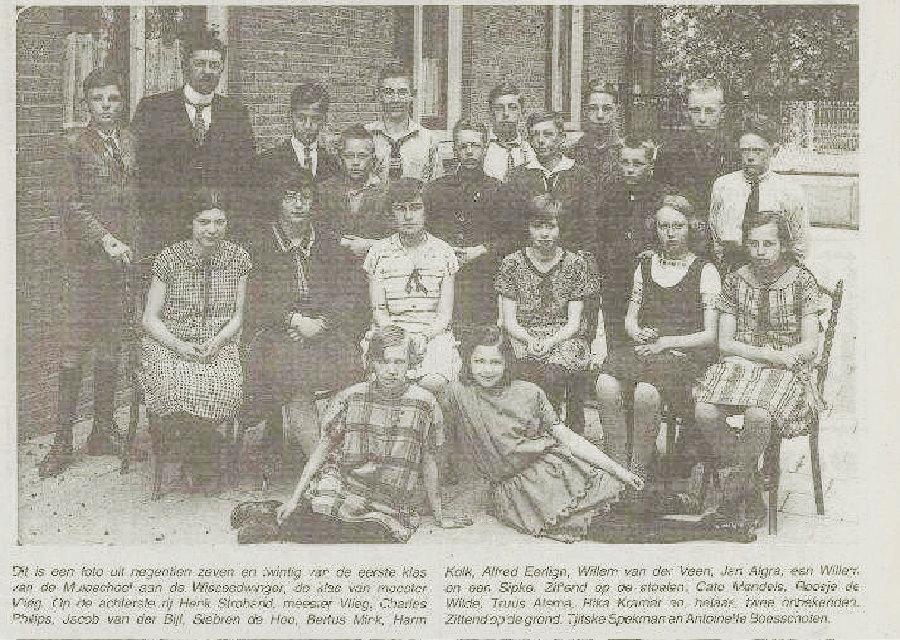
Text In Frisian to honor their culture and language
Salomon Cohen wie de twadde fan trije bern fan Joseph Cohen en Federika Gozina Godschalk. Hy waard berne op 14 july 1907, yn Gorredijk, in lyts doarp yn Fryslân, Nederlân. Lykas syn heit folge Salomon it ambacht fan slachter. Op 10 juny 1936 troude hy mei Roosje de Wilde, de dochter fan Gerson de Wilde en Schoontje Dwinger, yn Ljouwert, de haadstêd fan Fryslân. Roosje waard berne op 22 july 1913, yn Ljouwert. It earste bern fan it pear, in dochter mei de namme Sonja Rita Cohen, waard berne yn Ljouwert op 21 oktober 1936.
Nei har houlik feroare Salomon Cohen syn berop fan slachter nei reisferkeaper. It pear wenne earst op 5 Groninger Straatweg yn Ljouwert. Yn juny 1937 ferhuzen se nei Beethovenstraat 19, dêr’t se wenne mei Salomon syn âlden, Joseph en Frederika Cohen. By it begjin fan de Twadde Wrâldoarloch hie de famylje har fêstige op Mozartstraat 63 yn Ljouwert, in hûs fan harren sels.
Harren libbenen waarden lykwols gau stikkenmakke troch de horrore fan de oarloch. Yn de earste dagen fan oktober 1942 waard de hiele famylje Cohen oppakt en ferfierd nei it Westerbork-transitkamp. Se waarden dêr hâlden oant 30 oktober 1942, doe’t se nei Auschwitz deportearre waarden, as diel fan in gruttere groep joadske finzenen út Nederlân. It transport wie relatyf lyts, mei mar 659 deportearre minsken, mar by in tuskenstopp in Kozel, sawat 80 kilometer west fan Auschwitz, waarden sa’n 200 man, tusken de 15 en 50 jier, mei geweld fan de trein helle. Dizze mannen waarden nei wurkkampen yn de omkriten fan Auschwitz ferstjoerd, dêr’t se wurkferplichtearbeiders waarden.
De rest fan de passazjiers waard fierder ferfierd nei Auschwitz, dêr’t de measten fermoarde waarden by oankomst. Roosje Cohen-de Wilde en har dochter, Sonja Rita Cohen, wiene ûnder dyjingen dy’t it libben ferlearen. By har oankomst yn Auschwitz op 2 november 1942 waarden se direkt nei de gaskamers yn Auschwitz-Birkenau stjoerd, wêr’t se har libben ferlearen yn it brutale útrûgjen.
It lot fan Salomon Cohen wie ek tragysk. Registraasjes út it Auschwitz-finnenregister befêstigje dat hy ek nei Auschwitz ferfierd waard, mar hy wie net diel fan de groep fan 200 man dy’t yn Kozel fan de trein helle waard. Yn stee dêrfan waard Salomon keazen foar wurkferplicht yn Auschwitz. De details fan syn einlot binne lykwols net bekend. It is ûnhelder wêr’t er hinne stjoerd waard om te wurkjen, en der is gjin bekend record fan syn dea—of it no yn Auschwitz of oars oeral wie.
Nei de oarloch stelde it Nederlânske Ministearje fan Justysje de gemeente Ljouwert oan om in deatsferklearring út te jaan foar Salomon Cohen. Op grûn fan de beskikbere registraasjes waard konkludearre dat hy op 31 maart 1944 yn Sintraal-Europa ferstoar. De eksakte omstannichheden fan syn dea bliuwe lykwols in mystearje.
It ferhaal fan Salomon Cohen is ien fan djippe tragedys, dy’t it bredere lijen toant dat Joadske famyljes ûnderfûnen yn de Holocaust. Syn libben, lykas dat fan syn frou en dochter, waard tragysk koartmakke troch it systematyske genocidale belied fan it Naziregime. Hoewol’t de ûnwissensheden oer syn lêste dagen noch altyd besteane, bliuwt de oantinking fan Salomon Cohen as in yndrukwekkende herinnering oan de horrore fan oarloch en de belang fan it ûnthâlden fan de slachtoffers fan de Holocaust.
Source
https://www.joodsmonument.nl/nl/page/131645/salomon-cohen
Donations
Your readership is what makes my site a success, and I am truly passionate about providing you with valuable content. I have been doing this at no cost and will continue to do so. Your voluntary donation of $2 or more, if you are able, would be a significant contribution to the continuation of my work. However, I fully understand if you’re not in a position to do so. Your support, in any form, is greatly appreciated. Thank you. To donate, click on the credit/debit card icon of the card you will use. If you want to donate more than $2, just add a higher number in the box left from the PayPal link. Your generosity is greatly appreciated. Many thanks.
$2.00

 History of Sorts
Leave a comment