
Jakiw Palij, an in Poland born man who immigrated to the United States after World War II, became one of the most controversial figures in the pursuit of justice for Holocaust atrocities. His life story reflects the enduring pursuit of accountability for those who played a role in the Holocaust, even many decades after the war. Palij’s case not only sheds light on the complexities of justice for war crimes but also highlights the persistence of global efforts to confront historical atrocities, no matter how long it takes.
Early Life and Immigration
Born on April 4, 1923, in what was then Polish territory, now part of Ukraine, Jakiw Palij’s early life was marked by the turbulent political climate of Eastern Europe in the 1930s and 1940s. As a young man during World War II, Palij became embroiled in the brutalities of the Nazi regime. In 1943, at the age of 20, he was recruited to serve as a guard at the Trawniki labor camp in Nazi-occupied Poland. The camp was part of a system of forced labor camps used by the Nazis to exploit Jews and other marginalized groups, and many prisoners at Trawniki were subject to horrific conditions, forced labor, and, ultimately, death.
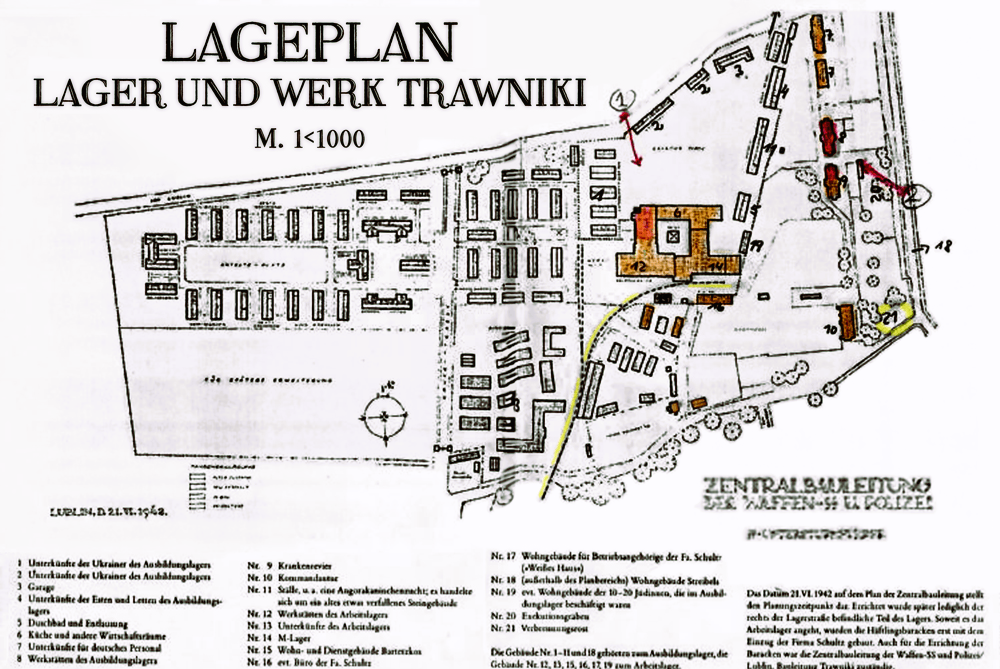
As a guard at Trawniki, Palij participated in the systemic persecution of Jews. This included overseeing prisoners and, at times, participating in mass executions. While specific details of his actions at Trawniki remain somewhat unclear, it is widely believed that he was complicit in the crimes committed at the camp. His participation in the Nazi labor camp system tied him directly to the broader network of the Holocaust and the suffering it caused.
After the war, Palij managed to escape the horrors of the Nazi regime by fleeing to the United States. In 1949, he immigrated to New York City, where he rebuilt his life under a new identity, hiding the details of his past from authorities. He eventually became a U.S. citizen, living in relative obscurity for several decades, working as an engineer, and integrating into American society. However, his Nazi past remained a closely guarded secret, and it was not until much later that his true identity was uncovered.
Exposing the Past
For decades, Palij’s involvement in Nazi war crimes remained hidden. In 1989, however, a breakthrough in the investigation of Nazi war criminals began to shed light on his actions. U.S. authorities, working with Holocaust survivors and international investigators, started to uncover the roles of many former Nazis who had escaped prosecution. Palij’s name emerged in the investigation, and his involvement in the Trawniki labor camp came to light. It was revealed that he had lied on his U.S. immigration forms, omitting his service as a guard at the camp. This concealment of his past violated U.S. immigration laws and led to legal action against him.
In 2003, the U.S. government successfully revoked Palij’s U.S. citizenship. The U.S. Department of Justice’s Office of Special Investigations (OSI), which was responsible for investigating Nazi war criminals, played a key role in exposing his crimes. The OSI had been a major force in holding accountable those who had lied about their wartime activities to gain entry into the United States. This was part of a broader effort by the U.S. to confront the lasting legacy of Nazi crimes and ensure that those responsible would be pursued, even decades after the end of World War II.
Deportation and Legacy
After the revocation of his citizenship, Palij faced the possibility of deportation to Ukraine, where he had originally come from. However, for years, there were difficulties in securing his removal due to his advanced age and health issues, as well as a lack of cooperation from the Ukrainian government. The case lingered for nearly two decades, with various legal challenges and delays.
In 2018, after years of legal back-and-forth, Palij was finally deported to Germany, a country with a deep commitment to holding accountable individuals responsible for Nazi crimes. At the time, Palij was 95 years old, and his health had deteriorated significantly. His deportation was seen as a significant victory in the effort to bring justice to Holocaust survivors and their families. While his deportation did not result in a trial or conviction, it symbolized a broader principle of holding individuals accountable for war crimes, no matter how much time had passed since the crimes were committed.
Palij’s deportation, however, was not the end of the story. His case exemplifies the complexities and difficulties of prosecuting war crimes, particularly when those responsible are elderly or have hidden their pasts for decades. But his deportation was a clear message that the global community would not let the passage of time shield perpetrators of the Holocaust from justice. Even in his final years, Palij’s deportation served as a powerful reminder that justice can be pursued, no matter how many years have passed since the crimes occurred.
Jakiw Palij died in 2019, just months after being deported. His death marked the end of a lengthy chapter in the fight for accountability for Holocaust war crimes. His case stands as an important symbol of the ongoing responsibility to pursue justice for the victims of Nazi atrocities. Despite the limitations of legal action in such cases, Palij’s deportation and the broader investigation into his life showed that no matter how long it takes, the global community must continue to confront historical wrongs and seek justice for those who suffered.
The case of Jakiw Palij is a sobering reminder of the enduring nature of justice and the pursuit of accountability for war crimes. While Palij’s deportation to Germany may have come too late to offer meaningful punishment, it represented an important step in the ongoing effort to bring Nazis and their collaborators to justice. It also highlighted the challenges that arise in seeking justice for crimes committed during the Holocaust and other atrocities. The pursuit of justice for Palij and others like him demonstrates that accountability is a critical part of preserving historical memory and ensuring that the horrors of the past—are not forgotten.
Sources
https://www.bbc.com/news/world-europe-46828006
https://en.wikipedia.org/wiki/Jakiw_Palij
https://www.theguardian.com/world/2019/jan/10/nazi-guard-deported-us-jakiw-palij-dies-germany
https://www.timesofisrael.com/nazi-camp-guard-deported-by-us-last-year-dies-in-germany/
Donations
Your readership is what makes my site a success, and I am truly passionate about providing you with valuable content. I have been doing this at no cost and will continue to do so. Your voluntary donation of $2 or more, if you are able, would be a significant contribution to the continuation of my work. However, I fully understand if you’re not in a position to do so. Your support, in any form, is greatly appreciated. Thank you. To donate, click on the credit/debit card icon of the card you will use. If you want to donate more than $2, just add a higher number in the box left from the PayPal link. Your generosity is greatly appreciated. Many thanks.
$2.00

 History of Sorts
Leave a comment