Initially, I set out to write a blog about Mengele’s experiments on children, especially twins, but I found myself unable to continue. The haunting images of those innocent eyes made it impossible for me to proceed with my research.
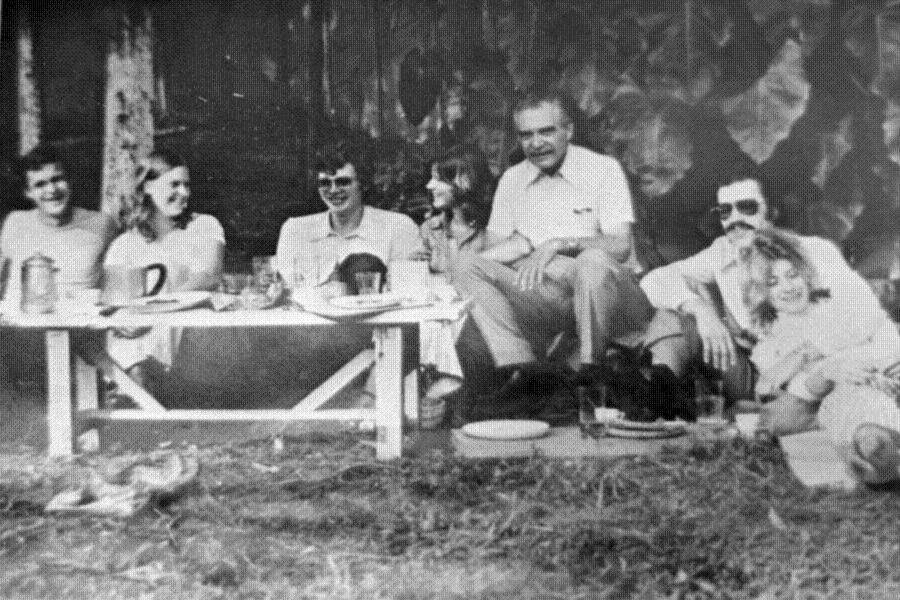
What makes this all the more disturbing is a point I’ve raised before: Josef Mengele didn’t look like the face of evil. In fact, he appeared to be a perfectly ‘normal’ man—charming, even. The photo above shows him with family and friends in South America during the 1970s. He looks like a friendly grandfather, not a mass murderer.
This contradiction is what makes true evil so unsettling: it often doesn’t wear an evil face.
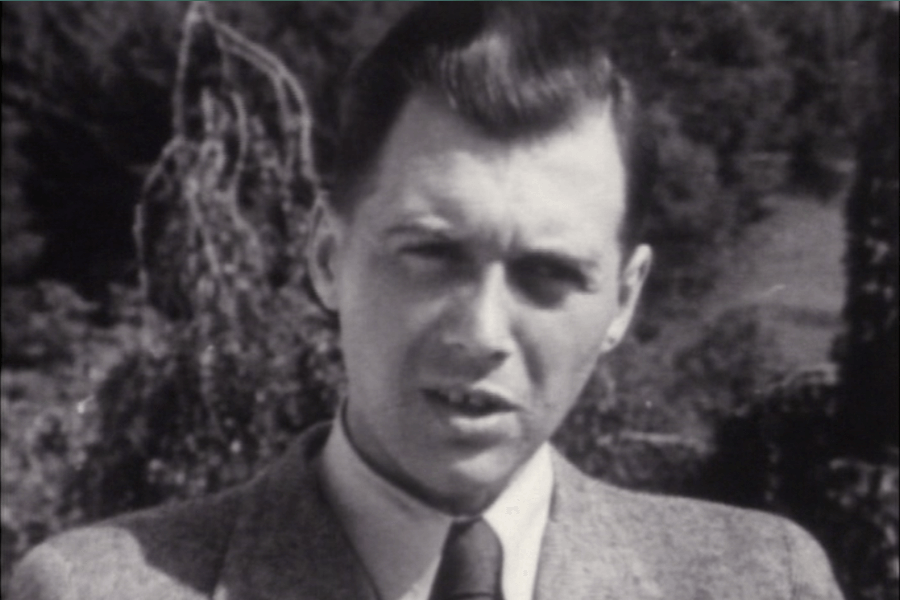
The Horrors of Mengele’s Actions
For all his methodical work habits, Mengele’s impulsiveness surfaced in horrifying ways. During one selection between work and death at Auschwitz’s arrival platform, a middle-aged woman refused separation from her 14-year-old daughter. The daughter had been selected for death while the mother, for life, was assigned to work. When a guard tried to pull them apart, the mother scratched his face in desperation. Mengele intervened, resolving the situation most brutally: he shot both mother and daughter on the spot. Then, he ended the selection process, sending everyone on that transport to the gas chambers.
In another instance, the camp doctors debated whether a boy they had grown fond of had tuberculosis. Rather than continue the discussion, Mengele left the room, only to return hours later, apologizing and admitting he had been wrong. During his absence, he shot the boy and dissected him, finding no evidence of tuberculosis.
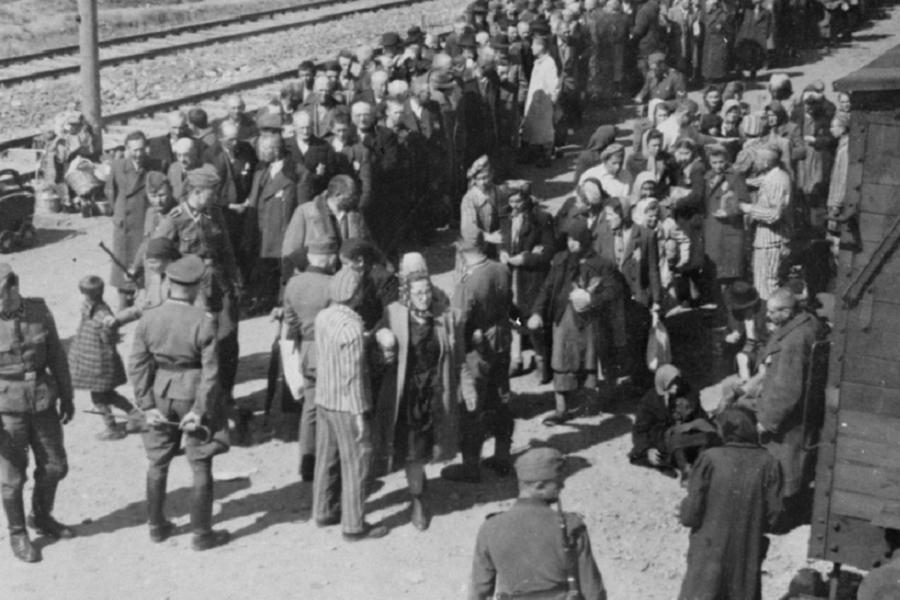
Mengele’s Role in Birkenau
By 1944, Mengele’s zeal and twisted enthusiasm for his work earned him a management role at Auschwitz. This position made him responsible not only for his infamous experiments but also for public health measures in the camp.
When typhus broke out in the women’s barracks, Mengele addressed the issue in his characteristic manner. He ordered an entire block of 600 women gassed and the barracks fumigated. He then moved the next group of women into the sanitized barrack, repeating the process until each barrack was clean. Mengele used a similar approach during a scarlet fever outbreak later that year.
A survivor, David Scharf, recalled Mengele saving his life. At the age of 21, Scharf survived a harrowing ordeal with Josef Mengele, the notorious doctor at the Auschwitz concentration camp.
“Dr. Mengele himself saved my life,” he recalls. “I was put in the line to be killed. He supervised the decisions that the physicians made about each person. As they put me in the death room, he asked them, ‘What illness does this boy have?’
They replied, ‘He is very sick. His entire belly is completely red.’”
Mengele examined him and said to the others, “You are idiots. These are first-degree burns from hot water that was thrown at him. Put him in the row of those to work. He is strong enough.”
The SS men asked him if he had any profession. Scharf told them that he was a carpenter and sent to work in a wood factory. Somehow, though he had never worked with wood in his life, he managed to hold the job until the end of the war.
Life After the War
Mengele evaded justice for the rest of his life. In 1959, he allegedly traveled to Paraguay to treat Martin Bormann, Hitler’s former secretary, who had been sentenced to death in absentia at Nuremberg. Bormann was dying of stomach cancer.
In 1979, at the age of 68, Mengele suffered a fatal stroke while swimming in the Atlantic Ocean and drowned. He was burial was under a false name in Brazil. After his death, friends and family gradually admitted they had known of his whereabouts all along and had sheltered him from justice.
Reflection
The life of Josef Mengele serves as a chilling reminder of how easily human beings can embody both the mundane and the monstrous. The fact that he eluded justice deepened the tragedy of his victims’ suffering and the moral failure of those who harbored him.
Sources
https://blogs.timesofisrael.com/dr-mengele-saved-my-life/
https://encyclopedia.ushmm.org/content/en/article/josef-mengele
https://en.wikipedia.org/wiki/Josef_Mengele
https://www.dw.com/en/a-german-town-and-josef-mengele-auschwitz-angel-of-death/a-52114089
Please support us so we can continue our important work.
Donations
Your readership is what makes my site a success, and I am truly passionate about providing you with valuable content. I have been doing this at no cost and will continue to do so. Your voluntary donation of $2 or more, if you are able, would be a significant contribution to the continuation of my work. However, I fully understand if you’re not in a position to do so. Your support, in any form, is greatly appreciated. Thank you. To donate, click on the credit/debit card icon of the card you will use. If you want to donate more than $2, just add a higher number in the box left from the PayPal link. Your generosity is greatly appreciated. Many thanks.
$2.00

 History of Sorts
Leave a comment