I’m keeping this blog post limited to the essential data since I’ve written about the experiments before. There’s only so much of it I can take
A Dark Chapter in Medical History
Tremendous advancements in science and medicine mark the history of human civilization. However, some of these developments have come at a horrifying cost. One of the darkest and most abhorrent examples is the Nazi human experimentation conducted during World War II. Under the guise of medical research, Nazi doctors and scientists carried out gruesome experiments on prisoners, often with no regard for human life, dignity, or ethics. These experiments, which took place primarily in concentration camps, were inhumane, brutal, and frequently fatal. This blog explores the nature, objectives, and consequences of these experiments, as well as the lasting impact they have had on medical ethics and international human rights laws.
The Context: Nazi Ideology and Medical Research
The Nazi regime, led by Adolf Hitler, propagated an ideology that sought racial purity and the dominance of an “Aryan” master race. As part of this doctrine, individuals who were deemed “inferior”—including Jews, Romani people, disabled individuals, and political prisoners—were subjected to systematic persecution. The Nazis viewed these individuals as expendable, which led to their inhumane treatment in medical experiments. Many of these experiments were ordered or approved by high-ranking Nazi officials and carried out by doctors who swore allegiance to the Third Reich.
Types of Experiments Conducted
The experiments conducted in Nazi concentration camps were varied, but they can generally be categorized into three main types: military and survival experiments, racial and genetic experiments, and pharmaceutical and medical procedure experiments.
1. Military and Survival Experiments
Some of the most infamous experiments were designed to test the limits of human endurance in extreme conditions to aid Nazi military forces. These included:

- Hypothermia Experiments: Conducted primarily at Dachau concentration camp, these experiments aimed to determine the body’s response to extreme cold. Prisoners were immersed in ice water for prolonged periods or left exposed to freezing temperatures. Many subjects died of hypothermia or were killed for autopsies after their bodies were severely damaged.
- High-Altitude Experiments: In an effort to simulate conditions faced by pilots at high altitudes, prisoners were placed in low-pressure chambers to test the effects of oxygen deprivation. Many subjects lost consciousness, suffered severe brain damage, or died.
- Seawater Consumption Tests: Some experiments attempted to determine whether seawater could be made potable. Prisoners were deprived of food and given only chemically treated seawater to drink, leading to extreme dehydration, organ failure, and death.
2. Racial and Genetic Experiments
The Nazis were obsessed with genetics and eugenics, using human experimentation as a means to prove their theories of racial superiority. Some of the most notorious experiments in this category were conducted by Dr. Josef Mengele, the so-called “Angel of Death,” at Auschwitz.
- Twin Studies: Mengele conducted horrific experiments on twins in an attempt to understand hereditary traits. Twins were subjected to forced surgeries, injections of chemicals into their eyes to alter pigmentation, and even sewn together to create artificial conjoined twins. Most died as a result of these procedures or were murdered afterward.
- Experiments on Dwarfs and Individuals with Disabilities: Mengele also targeted individuals with physical abnormalities, performing surgeries without anesthesia and studying their anatomy in brutal ways.
- Sterilization Experiments: The Nazis sought methods to sterilize populations they deemed undesirable, such as Jews and Romani people. Many victims were subjected to high doses of radiation or injected with harmful substances that caused severe pain, infections, and death.

3. Pharmaceutical and Medical Procedure Experiments
The Nazis used prisoners as unwilling test subjects for new drugs, vaccines, and medical procedures.
- Infectious Disease Experiments: Victims were deliberately infected with diseases like malaria, typhus, and tuberculosis to test vaccines and treatments. Many subjects suffered agonizing deaths.
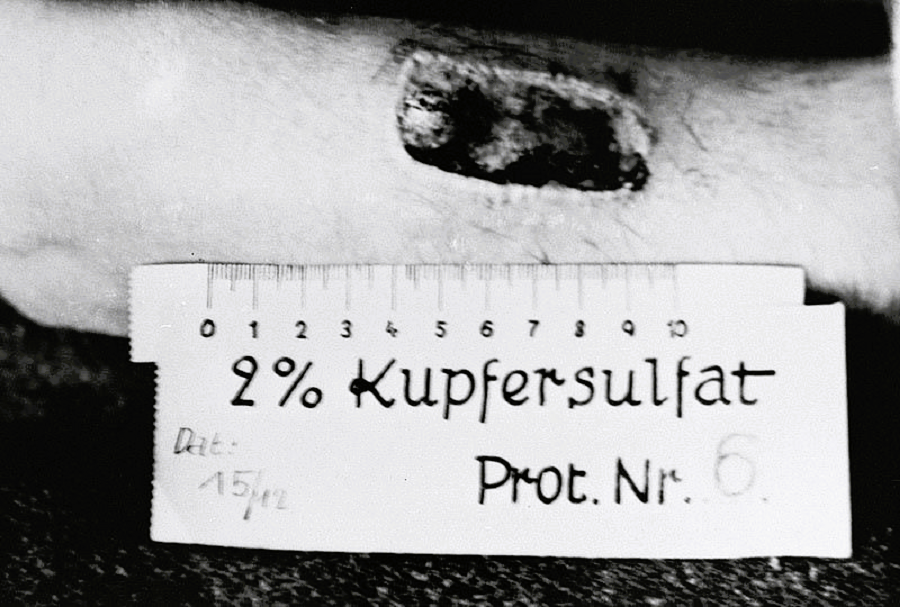
- Wound Treatment Experiments: Some experiments involved deliberately wounding prisoners and testing various treatments, including exposure to gangrene and amputation without anesthesia.
- Poison and Chemical Testing: Subjects were forced to ingest poisons or exposed to lethal chemical agents to study their effects, often resulting in immediate death or prolonged suffering.
The Aftermath and Ethical Implications
The Nuremberg Trials revealed the full extent of these atrocities after the war, resulting in the prosecution of several Nazi doctors after the war. The Nuremberg Code was established in response, setting guidelines for ethical human experimentation, including voluntary consent and the prohibition of inhumane treatment.
Despite the horror of these experiments, they led to profound changes in medical ethics, inspiring further international agreements like the Declaration of Helsinki and the Belmont Report, which emphasize the protection of human subjects in research.
The Nazi human experiments remain one of the most heinous violations of medical ethics in history. They serve as a reminder of the potential for science to be corrupted by ideology and the importance of ethical oversight in medical research. The legacy of these atrocities continues to shape discussions on human rights, bioethics, and the responsibilities of medical professionals to uphold the dignity and well-being of all individuals.
The horrors of Nazi experimentation should never be forgotten, as remembering them ensures that such atrocities are never repeated. Science should always be guided by ethics, humanity, and respect for life.
The Nuremberg Doctors’ Trial (1946–1947) was the first of the Nuremberg Military Tribunals held after World War II. It prosecuted 23 Nazi doctors and medical officials for crimes against humanity, including conducting inhumane and deadly experiments on prisoners in concentration camps. These experiments involved high altitude, hypothermia, and infectious disease testing, often leading to severe suffering or death.
The trial established key principles for medical ethics, culminating in the Nuremberg Code, which set guidelines for ethical human experimentation, emphasizing voluntary consent and patient welfare. Of the defendants, seven were sentenced to death, nine received prison terms, and seven were acquitted. The trial was a landmark in the history of medical ethics and international law.

Below are some testimonies who wanted to keep their names private because of the sensitivity of the material.
Ms. A,
Place of Persecution: Auschwitz
Dates: April 1943 to May 1945
“The experiment was done to me in Auschwitz, Block 10. The experiment was done on my uterus. I was given shots in my uterus, and as a result of that, I was fainting from severe pain for a year and a half. [Years later,] Professor Hirsh from the hospital in Tzrifin examined me and said that my uterus became as the uterus of a 4-year-old child and that my ovaries shrank.”
Mr. B,
Place of Persecution: Melk
Dates: September 1944 to January 1945
“In Revier Melk, the concentration and labor camp, there was a doctor and nurses in SS uniform (compared with other camp keepers that were not SS). And from time to time civilians came to visit (maybe the drug manufacturers). Without any reason, they made a cut, about 10 centimeters long and 2 centimeters wide, in my arm above the palm of my hand. Today, I understand that the surgery that was done on me without anesthesia was done purposely with tools that weren’t sterilized to cause infection. At the time they kept exchanging the bandages with different medicated creams and liquids. The bandage was not wrapped around the arm but only covered the wound. Every day, they examined the cut, and each time the cut was about to heal, they reopened it and started the whole thing from the beginning. Once in a while, civilians would come to check us and the charts; they made some remarks and gave orders. A part of the experiment was also observation, and they also checked our ability to work with the wound. After we transferred to Ebensee, I got lucky, and a paramedic [who] worked in the clinic took care of me and treated my wound. The final treatment was done in an American military hospital in Linz, Austria. After the release, the doctors said that I was very lucky. There are scars until today and pain and limitations.”
Ms. B,
Place of Persecution: Auschwitz
Dates: April 1944 to September 1944
“I was put into Barrick No. 10 in Auschwitz in April of 1944. After a month or so of being placed in Barrick No. 10, I, as well as the other female prisoners, no longer produced monthly menses and experienced the terrible effects of a rash. First, pus-filled blisters appeared, then turned into sores. In some cases, this rash [occurred] on both arms and my chest. In the morning and the night we were lined up approximately for two hours for ‘roll call.’ During this time, Dr. Mengele came once or twice a week, and he pulled out the weak and the sick from the line, and they never have been seen again. It was necessary to make sure that the entire body was covered so Dr. Mengele would not see even one sore, or our life would be over. Dr. Gisella Perl assisted Dr. Mengele during the day. However, at night, Dr. Perl came into the barrick and administered an ointment with a glue-like consistency to every sore in order to heal this horrific rash. Dr. Perl periodically came to Barrick No. 10 and also went to other barracks to administer this ointment. The rash needed several weeks to clear up; however, it would often return a few days later. In Auschwitz, there was a belief among the female prisoners that the soup we were given to eat was drugged, and the drug was the reason why we suffered from this horrific rash. Without Dr. Perl’s medical knowledge and willingness to risk her life by helping us, it would be impossible to know what would have happened to me and many other female prisoners. I lived in Sighet, the same town as Dr. Gisella Perl until I was 16 when I was sent away to the ghetto. I remember what a wonderful reputation she had and how well-known she was in our area. My mother was her patient, and my grandmother went to her husband, Dr. Krauss, who was an internist. When we were both in Auschwitz, I remember she was the doctor of the Jews there.”
Mr. K,
Place of Persecution: Auschwitz
Dates: 1942 to 1945
“As soon as I arrived in Auschwitz, I was taken into a room, and there I was undressed and made to kneel down…on my knees and my hands. The SS officer [who] was probably a doctor, dressed in a white robe, shoved an iron stick, which had a handle on its end, right into my rectum. He then turned the stick and caused an involuntary ejaculation of sperm. A female SS officer [who] worked with the other officer held two pieces of glass underneath my genitals in order to collect a sample of my sperm for the lab. They then made me stand up on a special machine that gave electric waves to both sides of my genitals until, again, a sperm was ejaculated. After the liberation, I was taken to Sanatorium Gauteng next to Munich. There, I was bedridden for almost a year, starting with a weight of only 30 kilograms. During that year, I was operated on for serious medical problems.”
Sources
https://pmc.ncbi.nlm.nih.gov/articles/PMC1386126/
https://www.mp.pl/auschwitz/journal/english/309915,records-of-carl-claubergs-criminal-experiments
https://encyclopedia.ushmm.org/content/en/article/nazi-medical-experiments
https://www.timesofisrael.com/new-testimony-sheds-light-on-nazi-medical-experiments/
Please support us so we can continue our important work.
Donation
Your readership is what makes my site a success, and I am truly passionate about providing you with valuable content. I have been doing this at no cost and will continue to do so. Your voluntary donation of $2 or more, if you are able, would be a significant contribution to the continuation of my work. However, I fully understand if you’re not in a position to do so. Your support, in any form, is greatly appreciated. Thank you. To donate, click on the credit/debit card icon of the card you will use. If you want to donate more than $2, just add a higher number in the box left from the PayPal link. Your generosity is greatly appreciated. Many thanks.
$2.00

 History of Sorts
Leave a comment