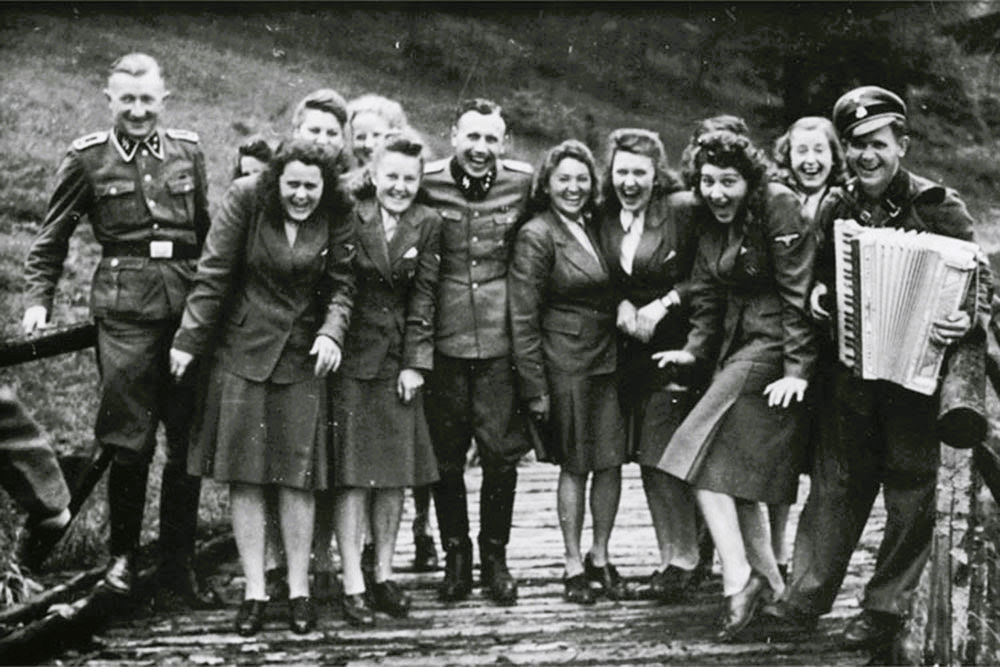
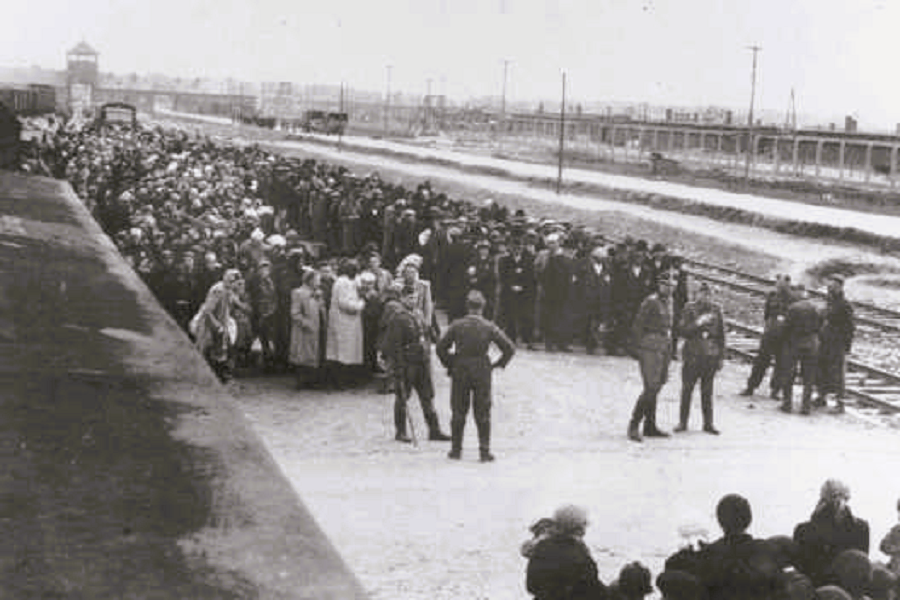
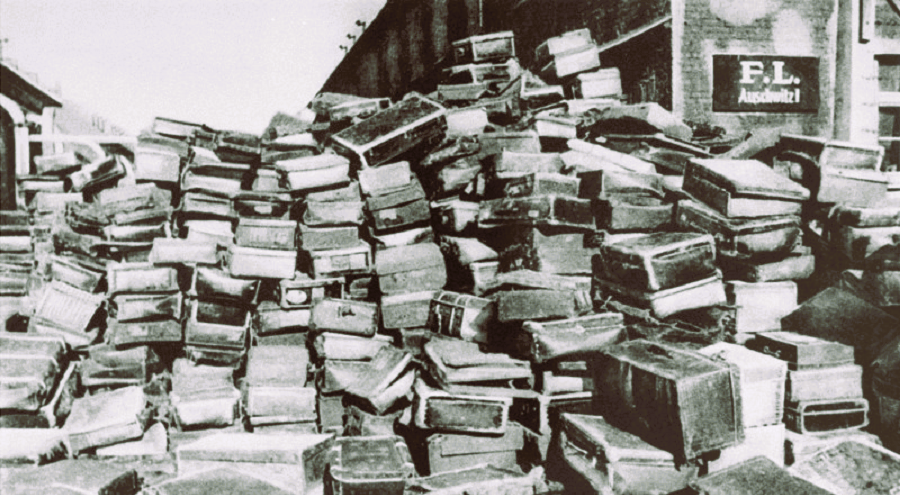
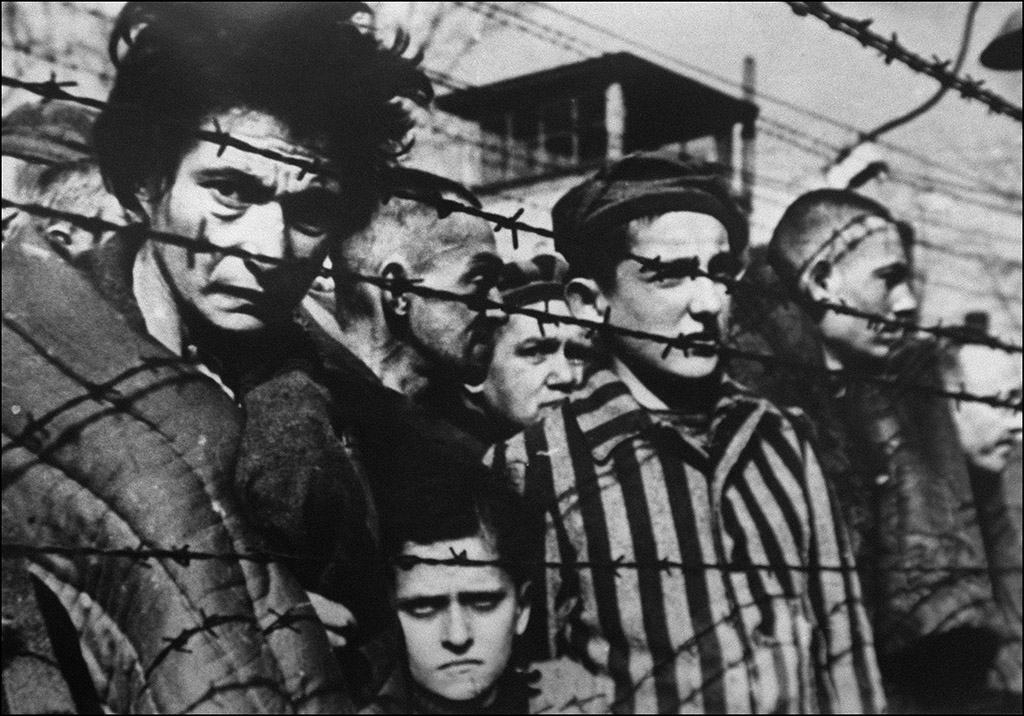
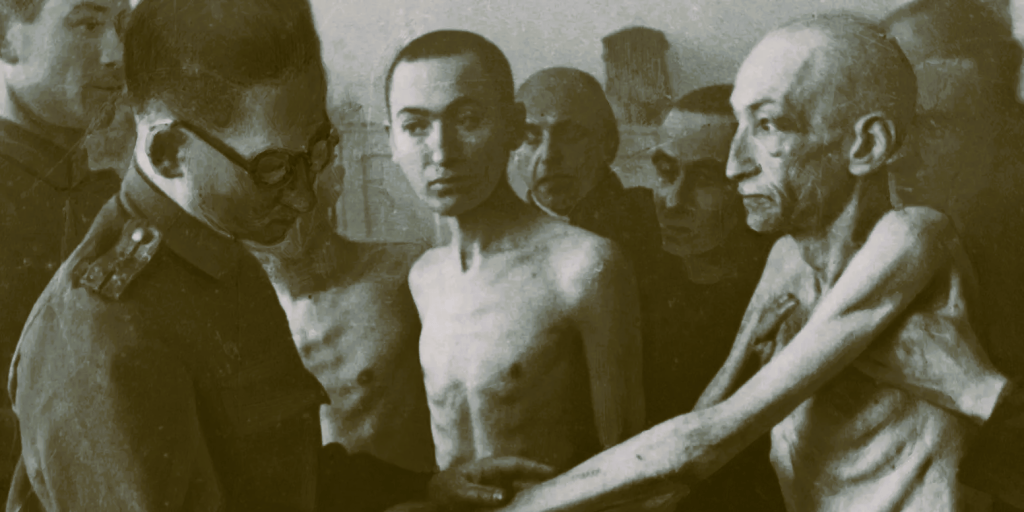
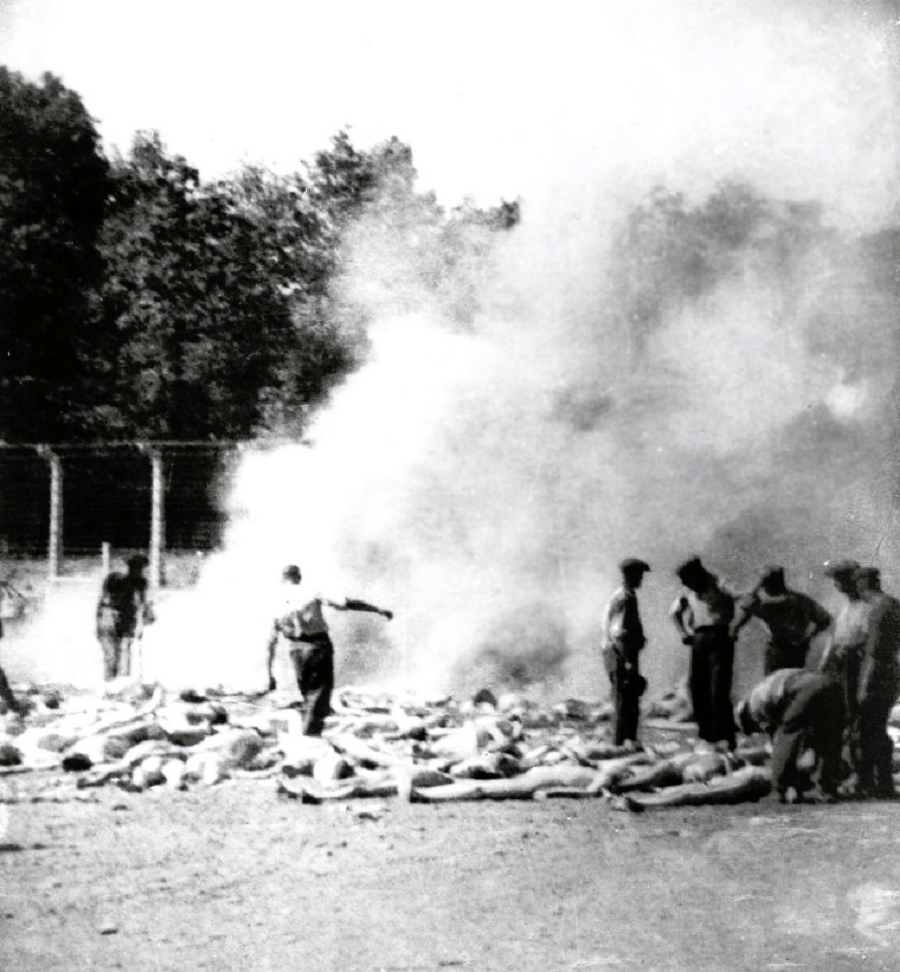
Most photographs from the Holocaust era capture the harrowing moments when death camps were liberated—such as Auschwitz-Birkenau, where over a million prisoners perished. However, few images exist depicting the camps in operation.
One exception is an album of photographs discovered by a U.S. Army officer after the war. This album provides a rare glimpse into the lives of SS officers, including Karl Höcker, a deputy commandant at Auschwitz, as they engaged in leisure activities. These images starkly contrast with the horrors they orchestrated.

The Discovery of Karl Höcker’s Photographs
In January 2007, the United States Holocaust Memorial Museum Archives received a donated photo album labeled “Auschwitz 21.6.1944.” The album prominently features SS-Obersturmführer Karl Höcker, the adjutant to Auschwitz commandant SS-Sturmbannführer Richard Baer.
Although Höcker’s name does not appear in the album, historians identified him through the distinctive cords on his uniform. The repeated appearances of Höcker suggested the album likely belonged to him. He was stationed at Auschwitz from May 1944 until the camp’s evacuation in January 1945.
The album was donated by a retired U.S. Army Lieutenant Colonel and former member of the Counter Intelligence Corps (CIC). In an accompanying letter, he explained that he found the album in an abandoned Frankfurt apartment in 1946. Now in his later years and wishing to remain anonymous, he decided to donate it to the museum, where it has since become a vital historical artifact.
Who Was Karl Höcker?
Born in 1911, Karl Höcker was the youngest of six children. His mother struggled to support the family after his father, a construction worker, was killed in World War I. Höcker later worked as a bank teller before joining the SS in 1933. When World War II began, he was assigned to the Neuengamme concentration camp.
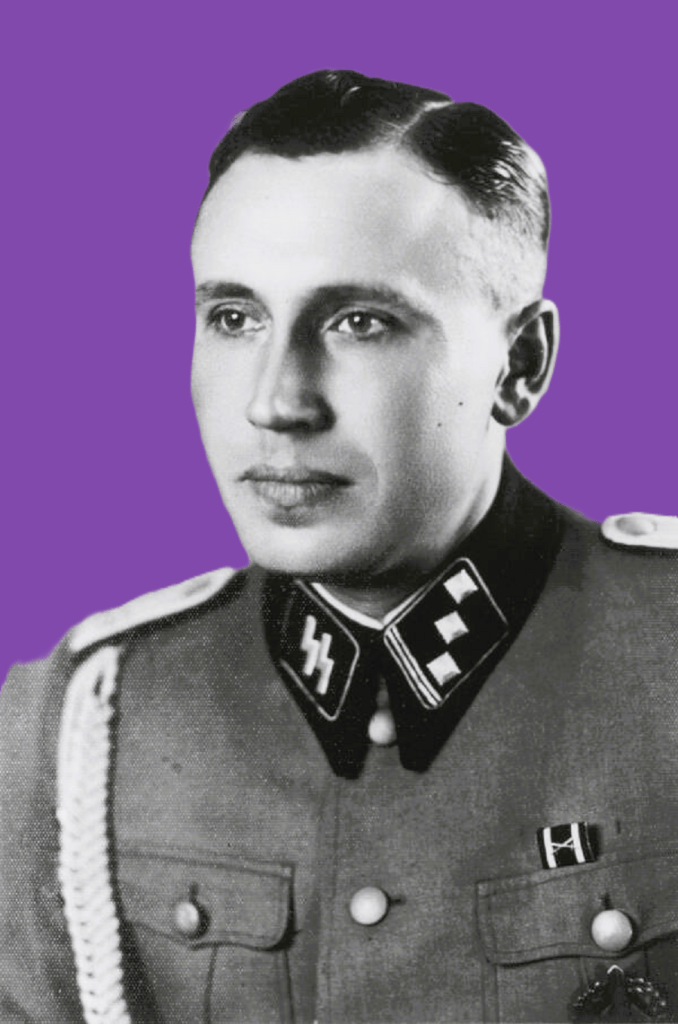
By 1943, he had risen to the rank of adjutant, serving as deputy to the commandant at Lublin-Majdanek. In November of that year, thousands of Jews at Majdanek were executed in just 48 hours—part of a mass killing ordered in response to uprisings at Treblinka and Sobibór. This massacre, known as Aktion Erntefest (“Operation Harvest Festival”), resulted in the deaths of approximately 42,000 prisoners across multiple camps and remains the largest single-day, single-location mass killing of the Holocaust.
In May 1944, when Richard Baer became the commandant of Auschwitz, Höcker assumed the role of his adjutant, overseeing operations until the camp’s evacuation. He fled before the Allies arrived but was later captured by British soldiers near Hamburg. However, he evaded immediate prosecution by using false identification. The British, unaware of his true identity, released him in 1946 after detaining him for a year and a half.
Höcker managed to reintegrate into civilian life, living in Engershausen with his wife and two children. He even secured a job as the chief cashier at a regional bank in Lübbecke. Although he was indicted in 1963 during the Frankfurt Auschwitz trials and briefly imprisoned, he was rehired by the bank in 1970 after his release. He lived freely for decades before passing away in 2000 at the age of 89.
A Different Perspective on the Holocaust
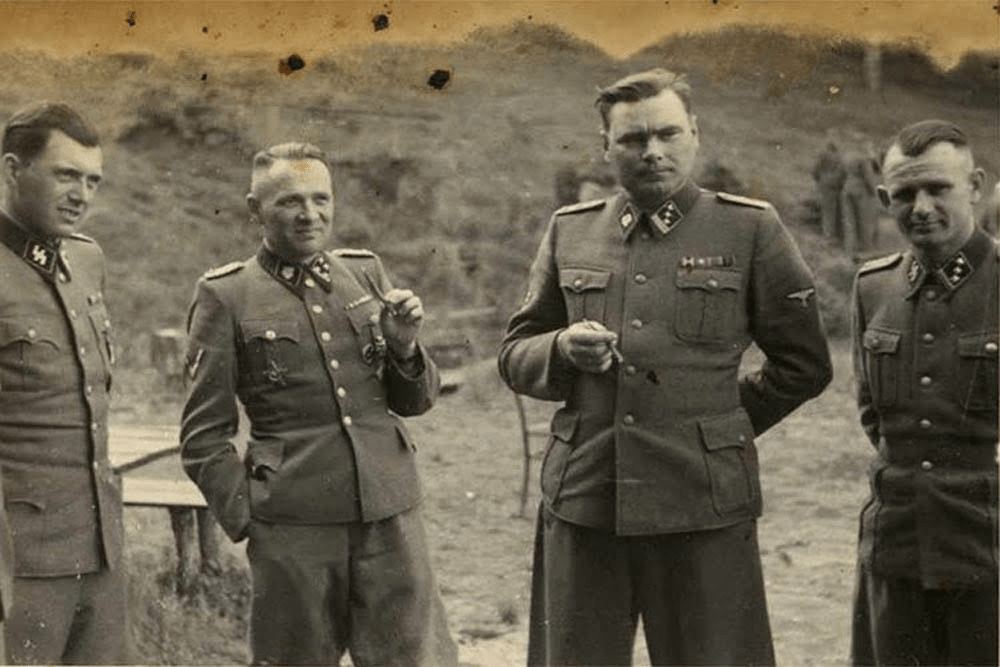
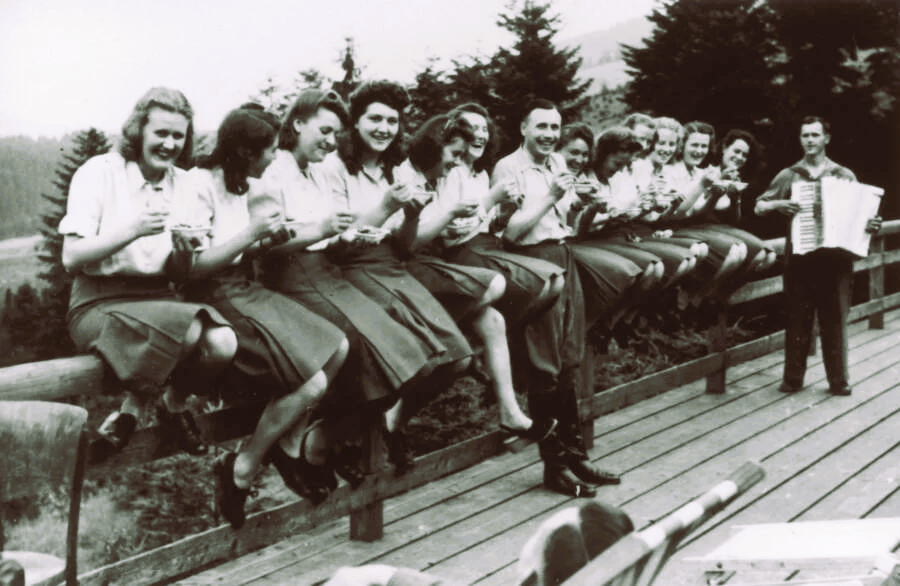
The photographs in Höcker’s album provide a chilling juxtaposition: SS officers relaxing while, mere miles away, thousands were being systematically murdered.
Captured between the summer and fall of 1944, the images depict Höcker and his colleagues engaging in social events, even as Auschwitz’s gas chambers operated at peak efficiency. Photos show SS officers attending ceremonies, celebrating holidays, and enjoying leisure time at Solahütte, a Nazi retreat less than 20 miles from the camp. Höcker is seen playing with his German Shepherd, lighting a Christmas tree, and dining with fellow officers—all while presiding over one of history’s most horrific genocides.
These images serve as a stark reminder that the capacity for cruelty can exist alongside the mundane and the joyful. They highlight the profound moral contradiction of individuals who could partake in life’s pleasures while mercilessly stripping them away from millions.
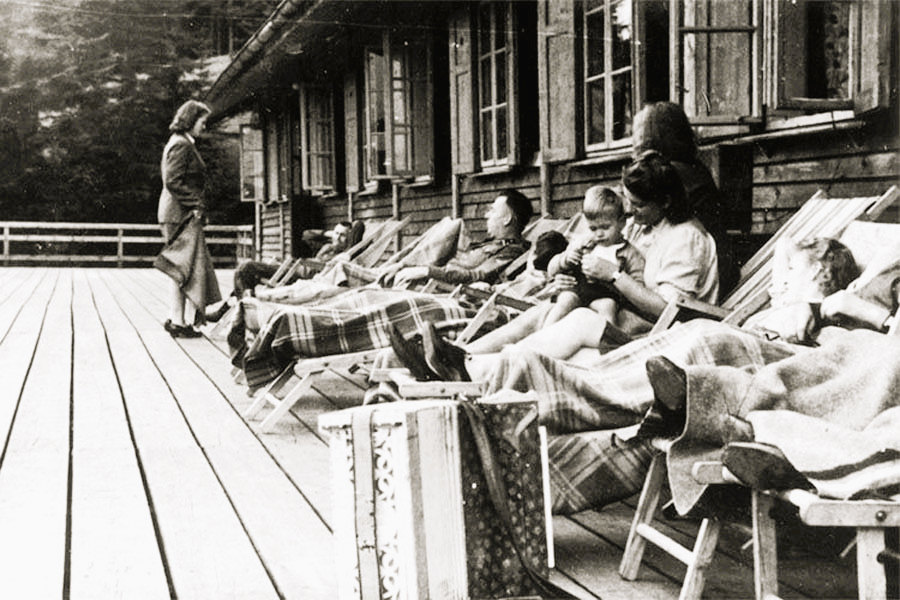
Some of the most striking photographs were taken at Solahütte, a little-known SS resort about 30 km south of Auschwitz on the Sola River. Archival records indicate that the SS rewarded exemplary Auschwitz guards with trips to Solahütte.
In her daily chronicle of the camp, historian Danuta Czech noted that on August 18, 1944, “SS Private Johann Antoni and SS man Hans Kartusch from the 3rd Guard Company of Auschwitz II receive eight days’ special leave in the SS recreation center of Solahütte as recognition for the successful use of their weapons during the escape of four prisoners, in spite of darkness.”
While photographs of Solahütte appear throughout the album, one particular series captures a social gathering of the SS hierarchy. Among those present were some of the most infamous officers of the concentration camp system.
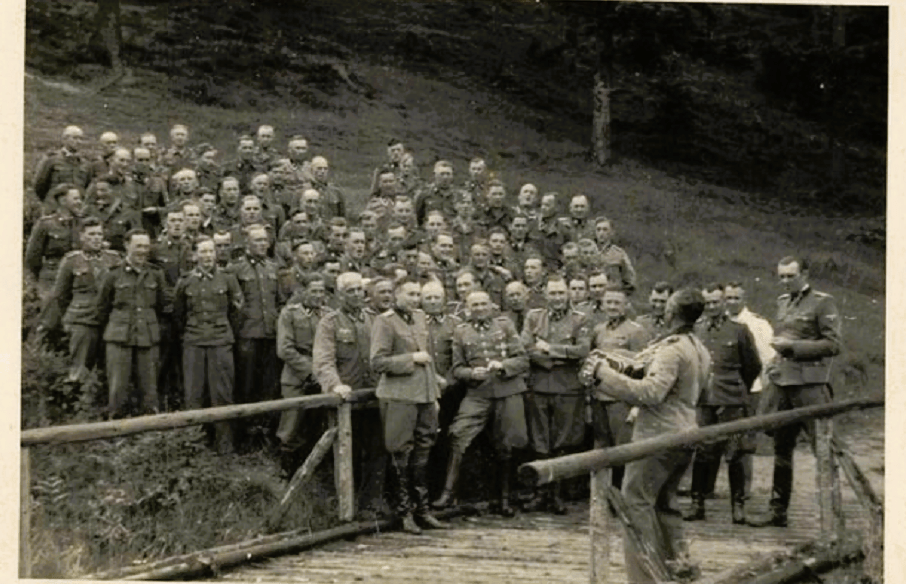
Perhaps the most striking photograph captures an accordionist leading a sing-along for approximately 70 SS men. Seated in the front row are Höcker, SS-Hauptscharführer Otto Moll (supervisor of the gas chambers), Höss, Baer, Kramer, Franz Hössler (commander of the female prisoner compound at Birkenau), and Mengele. These rare images are among the only known photographs of some of these men, including Mengele, taken during their time at Auschwitz.
The contrast
sources
https://allthatsinteresting.com/liberation-of-auschwitz
https://allthatsinteresting.com/karl-hocker-auschwitz-photos
https://encyclopedia.ushmm.org/content/en/article/auschwitz-through-the-lens-of-the-ss-the-album
https://www.auschwitz.org/en/gallery/historical-pictures-and-documents/extermination,11.html
https://encyclopedia.ushmm.org/content/en/article/auschwitz
https://www.history.com/news/auschwitz-liberation-soviets-holocaust
Please support us so we can continue our important work.
Donation
Your readership is what makes my site a success, and I am truly passionate about providing you with valuable content. I have been doing this at no cost and will continue to do so. Your voluntary donation of $2 or more, if you are able, would be a significant contribution to the continuation of my work. However, I fully understand if you’re not in a position to do so. Your support, in any form, is greatly appreciated. Thank you. To donate, click on the credit/debit card icon of the card you will use. If you want to donate more than $2, just add a higher number in the box left from the PayPal link. Your generosity is greatly appreciated. Many thanks.
$2.00

 History of Sorts
Leave a comment