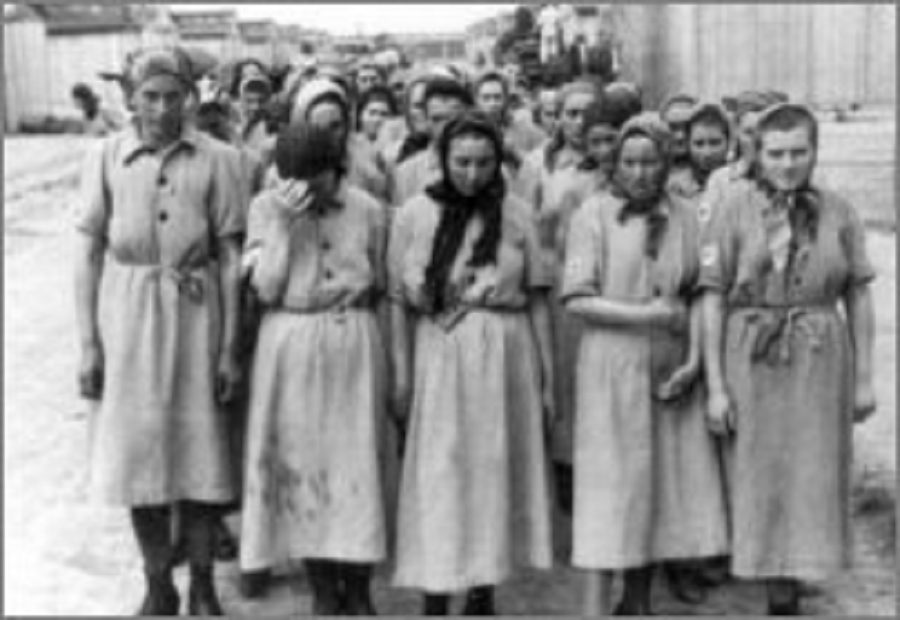
More than 80 years later, researchers still regularly uncover more or less new findings about World War II, including the atrocities committed in concentration camps.
A study by Robert Sommer reveals that between 1942 and 1945, the SS established ten brothels in various concentration camps, where a total of 200 women were “put to work.” The clients were other prisoners who had performed exceptional labor and were rewarded for it. These rewards could consist of money, cigarettes, or a visit to the brothel. The SS recruited most of these women from the concentration camps of Ravensbrück and Auschwitz-Birkenau. They were usually German women and, at times, women from Poland or Ukraine who had been labeled as “asocial.” Forced prostitution often meant that these women were spared from death.
In an interview with Der Spiegel, Sommer describes this practice as “a particularly perverse form of Nazi violence.” The reason why so little was known about these brothels for so long, according to Sommer, is primarily due to shame—among the women involved but also among former male prisoners, who were turned into perpetrators by the Nazis.
In a letter submitted to Der Spiegel, a woman named Christina Schmidt argues that the topic is not entirely new (see second link). According to previous research, many of the “asocial” women who were forced into prostitution were, in reality, lesbians. These women were often denounced during raids by their own neighbors.
The study of Jewish women’s lives and experiences during the Holocaust only became a priority in the late 20th century. Initially, scholars focused on their roles as homemakers, wives, breadwinners, supporters, and resistors, while largely overlooking their reproductive and sexual lives. Many assumed that the Rassenschande laws shielded Jewish women from the worst horrors of rape and sexual violence, leading to limited investigation of these issues. Additionally, survivors were often reluctant to speak about such deeply personal experiences, and researchers hesitated to ask for fear of causing further distress. Concerns about sensationalizing women’s suffering further discouraged inquiry into this aspect of their history.
However, Jewish women—as well as men and non-Jews—were subjected to significant emotional, sexual, and physical abuse at the hands of the Nazis and others. These atrocities included humiliating forced nudity, rape, and other forms of violence. This article examines Jewish women’s sexual experiences as documented in diaries, memoirs, and testimonies. It explores a range of interactions, from relationships formed in extreme conditions to sexual humiliation, coercion, rape, and brutal assaults. Acknowledging the extent of these experiences—and their lasting impact—not only deepens our understanding of Holocaust history but also honors the resilience and suffering of those who endured them.
Holocaust Literature and the Overlooked Realities of Sexuality
Holocaust scholarship has traditionally focused on the genocide of the Jewish people through direct means such as gassing, torture, deprivation, and disease in ghettos and concentration camps, as well as mass executions by the Einsatzgruppen, the mobile killing units that followed the German army into Poland in 1939 and the Soviet Union in 1941. However, the Nazis also manipulated reproductive rights and sexuality as part of their strategy to eliminate Jews and other groups deemed racially undesirable, while simultaneously advancing their vision of a so-called Aryan “master race” among German women who met their standards.
Methods of Study
Jewish and German women’s experiences of reproduction, sexuality, and related events are explored in detail in Birth, Sex and Abuse: Women’s Voices Under Nazi Rule (Chalmers, 2015). This article draws from that work but focuses specifically on Jewish women’s experiences and examines sexual behavior rather than reproductive policies. The study relies primarily on wartime diaries, memoirs written shortly after the war, and testimonies recorded decades later. To avoid the retrospective reinterpretations of academic analyses, this research emphasizes firsthand accounts that capture the raw, immediate realities of women’s experiences.
Archival research was conducted at institutions such as Yad Vashem in Jerusalem, the Massuah International Institute of Holocaust Studies in Tel Aviv, the Imperial War Museum in London, and the United States Holocaust Memorial Museum in Washington, D.C. These sources provided testimonies and reports that further illuminate Jewish women’s experiences of sexual violence, coercion, and abuse during the Holocaust.
As Shik (2009) notes, testimonies and publications from the immediate post-war years engage directly with the stark realities of life in ghettos and camps, whereas later writings often softened these narratives, either to protect survivors or to make the material more palatable for broader audiences. In the decades following the war, Holocaust discourse largely overlooked Jewish women’s experiences, with early research focusing on the broader suffering of Jewish communities—particularly the experiences of men. It was not until the 1961 Eichmann trial and the release of the American television miniseries Holocaust that significant interest in gendered perspectives of the Holocaust began to emerge. Around the same time, the rise of the women’s movement—especially in North America—fueled new scholarly attention to women’s roles during the Nazi era. However, this research initially centered on women’s responsibilities as wives, breadwinners, and caregivers, particularly as men were imprisoned or emigrated to secure a future for their families. Discussions of sexuality and reproductive violence remained scarce, as survivors were often reluctant to share such deeply personal and painful experiences, and researchers hesitated to ask. Consequently, the most valuable insights into Jewish women’s sexual experiences during the Holocaust come from firsthand accounts recorded during or immediately after the war.
The Backdrop to the Holocaust: Sexuality in Germany
The Weimar Years
The Weimar Republic (1918–1933) was a period of progressive social change in Germany, marked by increased sexual freedoms and the emancipation of women. Magnus Hirschfeld, a pioneering researcher in sexuality, played a key role in advocating for birth control, sex education, and the decriminalization of homosexuality. As the head of the Institute for Sexual Science and a founding member of the World League for Sexual Reform, he promoted access to reproductive healthcare and legal reforms related to sexuality. His institute housed an extensive collection of research materials, with between 12,000 and 20,000 books and an even larger archive of photographs (Evans, 2005).
However, the Nazis viewed Hirschfeld’s work—and the broader movement for sexual and reproductive rights—as part of a Jewish-led effort to undermine the German family (Evans, 2005). Shortly after Hitler came to power in 1933, his institute became one of the early targets of Nazi censorship and destruction. In May 1933, students from the Berlin School, along with members of the National Socialist German Students’ League, raided the institute, vandalizing its collections by pouring ink over books, smashing photographs, and scattering manuscripts. Days later, Nazi stormtroopers confiscated thousands of documents, which were publicly burned on May 10, 1933, during the infamous Bücherverbrennung (book burning). An estimated 10,000–12,000 books from Hirschfeld’s collection were destroyed (Burleigh & Wipperman, 1991; Evans, 2005).
This attack on intellectualism and progressive thought was orchestrated by the Nazi Propaganda Ministry and signaled the beginning of a highly effective propaganda campaign that would indoctrinate vast segments of German and European society. That same month, the Nazis dismantled Germany’s fledgling women’s rights movement, consolidating hundreds of independent women’s organizations into the Nazi-controlled Women’s Front, led by Gertrud Scholtz-Klink (Koonz, 1987). The regime closed marriage counseling centers, birth control clinics, and sex education programs, banned the distribution of contraception, and criminalized abortion and homosexuality. Leaders of these organizations were arrested, imprisoned, or forced into exile (Morrison, 2000). In a matter of months, Germany—once at the forefront of progressive sexual and reproductive rights—reversed its stance entirely, reinforcing a rigid ideology that would later play a critical role in Nazi racial policies.
Degenerate vs. “Healthy” Sexuality in Nazi Ideology
Despite their stringent restrictions on sexual freedoms, the Nazis simultaneously promoted what they termed “healthy” sexuality. While Jews and other so-called undesirable groups—including Jewish individuals and homosexuals—were accused of engaging in degenerate, promiscuous behaviors, the Nazi regime actively encouraged sexual activity among racially “pure” Aryans.
Although Nazi propaganda promoted an image of Aryan purity and moral strength, reports from 1936 suggest that few German women were virgins at the time of marriage. Herzog (2002) notes:
“In his work evaluating couples’ ‘racial’ and ‘hereditary’ suitability for marriage, less than 5 percent of the men and women he interviewed turned out to have been virgins. Most had begun to have intercourse in their late teens and early twenties, approximately seven years before they had married. … The majority had had more than one premarital partner” (p. 9).
The Nazi regime encouraged physical fitness and exercise among Aryan youth, often through mass parades featuring nude women that were intended to celebrate health and beauty. Art and photography glorified the male and female form, reinforcing an idealized view of Aryan sexuality. While these policies may seem contradictory, they aligned with the Nazi goal of fostering Aryan supremacy and increasing the birthrate among so-called racially valuable individuals, while simultaneously suppressing reproduction among Jews and other marginalized groups.
Nazi-Controlled Brothels
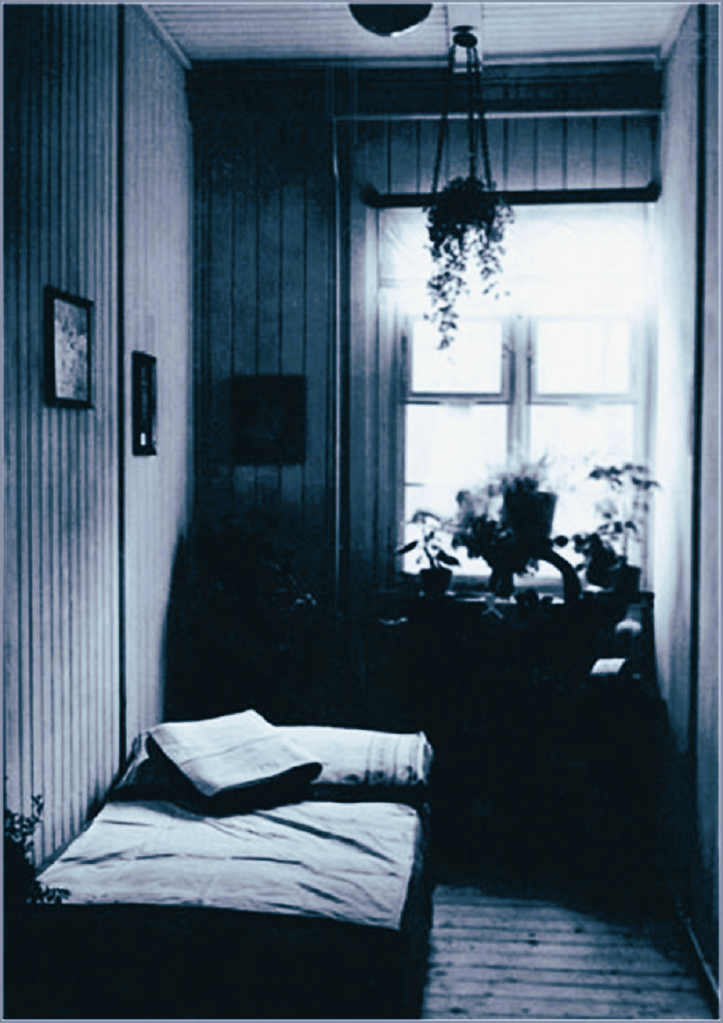
Despite their emphasis on racial purity, the Nazis established an extensive network of state-controlled brothels throughout Europe during World War II. These included civilian and military brothels, as well as those designated for forced laborers in work camps and personnel in concentration camps.
Aryan women were exempt from serving in these brothels, but they were otherwise encouraged to “bear children for the Führer”—whether within or outside of marriage. The Lebensborn program (Kuntz, 2008) provided state support for unmarried mothers deemed to be of worthy Aryan stock, while divorce laws were relaxed to allow men to leave wives who were unwilling or unable to bear more children (Koonz, 1987).
The Nazi brothel system served multiple purposes, including:
- Providing sexual outlets for soldiers stationed far from home.
- Preventing sexual relations between German soldiers and non-Aryan women in occupied territories.
- Serving as a so-called treatment for homosexuality among male prisoners (Bleuel, 1971; Lifton, 1986).
- Offering an incentive for higher productivity among concentration camp prisoners.
Women forced into these brothels were recruited through coercion or outright abduction. Many were taken from the Ravensbrück concentration camp, which primarily housed female prisoners, while others were rounded up from the streets in occupied territories (Sinnreich, 2010).
Sex in these brothels was purely mechanical, devoid of humanity or personal connection. One survivor of the Buchenwald camp brothel described her experience:
“It was nothing personal, one felt like a robot. They did not take notice of us; we were the lowest of the low. We were only good for this. No conversation or small talk, not even the weather was on the agenda. Everything was so mechanical and indifferent… They finished their business and left.” (Roos, 2002, p. 94).
There is ongoing debate about whether Jewish women were forced into Nazi-run brothels. The Rassenschande (racial shame) laws strictly prohibited sexual relations between Jews and Aryans (Eisner, 1980; Haas, 1984). Some scholars argue that Jewish women were rarely used in brothels (Sommer, 2010), citing the apparent ethnic origins of recorded brothel workers’ names. Others, however, contend that Jewish women were forced into prostitution more often than previously acknowledged (Sinnreich, 2010).
For example, Jewish women were reportedly rounded up in ghettos such as Lodz to serve in brothels. In Lviv, women were forcibly taken off the streets to meet peak demand periods, such as lunchtime and evenings (Sinnreich, 2010). Additionally, Rosenbaum (1976) reports that after the war, Rabbi Oshry issued a Halakhic (Jewish legal) ruling in 1949 allowing Jewish women who had been forced into Nazi brothels to resume their marriages with surviving pre-war husbands. This ruling suggests that such forced sexual servitude was a known reality.
The Nazi Demonization of Jewish Sexuality
A key aspect of Nazi ideology was the depiction of Jews as sexually depraved, promiscuous, and corrupting. Jews were portrayed as deceitful, immoral, and intent on contaminating Aryan society—both culturally and biologically. Nazi propaganda frequently depicted Jewish men as predatory figures who sought to defile Aryan women.
Hitler himself expressed this view in Mein Kampf (1939), describing Jewish men as lying in wait to seduce unsuspecting German girls and pollute their bloodlines. This narrative was reinforced through Nazi literature, such as Artur Dinter’s 1919 novel Die Sünde wider das Blut (The Sin Against the Blood), which told the story of a blonde German woman who marries a Jewish man and whose offspring are irreversibly tainted (Burleigh & Wipperman, 1991).
Julius Streicher, the notorious editor of the antisemitic newspaper Der Stürmer, extended these ideas into pseudo-scientific claims. In his publication German People’s Health, he asserted that Jewish sperm could permanently corrupt a German woman’s blood after a single sexual encounter (Liverpool, 1954). Similar accusations painted Jewish employers as sexual predators, allegedly preying on Aryan girls in their employment (Szobar, 2002). Hitler himself characterized relationships between Jews and Aryans as unnatural and akin to bestiality (Kater, 1989).
Nazi propaganda also linked Jews to the spread of disease and sexual deviance, accusing them of introducing infections into Aryan society (Glass, 1997) and promoting homosexuality (Kater, 1989). Films such as Jud Süß (Harlan, 1934)—which featured the rape of a German woman by a Jewish man—and Der Ewige Jude (Hippler, 1940), which portrayed Jews as vermin-like criminals, reinforced public fear and hatred of Jewish sexuality.
To counteract the supposed Jewish threat, the Nazis implemented strict Rassenschande laws. The Law for the Protection of German Blood and German Honor forbade Jews from marrying or engaging in sexual relations with Germans. These laws also prevented marriages where offspring might “contaminate” Aryan purity (Burleigh & Wipperman, 1991). Over time, Rassenschande laws became increasingly strict, eventually criminalizing even minor interactions between Jews and non-Jewish Germans. Socially acceptable gestures such as embraces or kisses were outlawed (Evans, 2006), and even conversations with Jews in public or visits to Jewish friends could be deemed racial defilement (Dwork & Pelt, 2003). Those found guilty of violating these laws faced prison or forced labor sentences (Botwinick, 1998).
Jewish Women’s Sexual and Sexually Related Experiences
Love and Marriage in Ghettos
From the early years of Nazi rule, the regime sought to prevent those they deemed undesirable from reproducing through forced sterilization and euthanasia. After the outbreak of war, the conditions imposed on Jewish communities—confinement, poverty, and disease—made love and sexual expression extremely difficult. Yet, despite these hardships, Jews still fell in love, married, and occasionally bore children.
Jewish rituals such as the mikveh (ritual bath), essential before marriage, were often forbidden, yet some found ways to observe them or obtain exemptions to marry. While religious weddings were prohibited, the Judenrat (Jewish Councils) assumed the role of officiating marriages. Celebrations, though simple and clandestine, offered moments of love and happiness despite the uncertain future.
However, the worsening conditions in the ghettos led some women to use their bodies to survive (Kaplan, 1998). Stiffel (1984) describes widespread prostitution in the Warsaw Ghetto, sometimes involving multiple generations of women on a single street corner. Mary Berg (1945) recounts in her diary how young girls engaged in transactional relationships with Gestapo collaborators in exchange for food, often meeting tragic ends. The Judenrat periodically compiled deportation lists, and prostitutes were frequently among the first selected for transport to concentration camps (Evans, 2009).
Love and Sexuality in Partisan Groups
Jewish partisan groups in Nazi-occupied territories provided a stark contrast to the ghettos and camps. Love and sexual relationships occurred voluntarily, and women were valued regardless of their contributions (Tec, 1998). In the Bielski partisan group, many women formed stable relationships, while others had multiple partners or remained unattached.
In contrast, non-Jewish Russian partisan groups often required women to provide sexual favors in exchange for protection or membership. Women who entered these groups were frequently forced into relationships with officers as “transit wives,” and sexual coercion was common (Tec, 2003).
Sexual Behavior in Forced Labor Camps
Romantic and sexual relationships existed in forced labor camps, sometimes based on love, but often as a means of survival. In Skarżysko-Kamienna, a labor camp, some men and women became lovers despite living in separate quarters. Sex occurred in public spaces without embarrassment, and trading sex for food was an accepted survival tactic (Karay, 1996a).
However, sexual harassment was widespread. Some camp officers surrounded themselves with young women, and SS personnel selected Jewish women for sexual abuse, often leading to their execution. One survivor recounted discovering mass graves of women murdered after being taken by an SS officer (Katz & Ringelheim, 1983).
Love and Sexual Behavior in Concentration Camps
The Nazis operated over 42,000 sites—including ghettos, labor camps, brothels, and death camps—where Jewish women were imprisoned (Lichtblau, 2013). In most camps, contact between men and women was forbidden, though it remained highly valued. Prisoners went to great lengths to connect with loved ones, including bribing guards or smuggling letters.
Theresienstadt was unique in allowing limited family life, enabling romantic relationships. As Ruth Elias (1988) noted, “The desire for human closeness and touch, for physical love, was especially strong.” In Auschwitz and other camps, secret encounters took place despite the ever-present risk of punishment. Even in extermination camps like Treblinka and Sobibor, love affairs developed among the few prisoners forced to work before being executed.
Romantic relationships also occurred between Jewish women and German officers, though such affairs carried dire consequences, often resulting in torture and death.
Sexual Exchange for Food or Survival
Sex in exchange for food or protection was a grim reality in concentration camps. Although technically consensual, these interactions were transactional rather than emotional (Shik, 2009). Kapos (prisoner supervisors) and those with privileged positions, such as cooks or bakers, exploited their status to obtain sexual favors (Feinstein, 2003; Bondy, 1998).
Some women engaged in sexual exchange not just for themselves but to save loved ones. Perl (1948) describes a woman who continued a sexual relationship with a man to secure food for a starving child. Over time, such practices, once condemned, were accepted as means of survival.
In Auschwitz-Birkenau, the latrines served as the primary venue for sexual exchange. Workmen entering the camp during lunch breaks provided opportunities for desperate women to obtain food in return for sex (Lengyel, 1947). The degradation women endured to survive defies easy comprehension.
After the war, survivors who engaged in sexual exchange faced harsh judgment, particularly in Israel, where suspicions of collaboration or prostitution led to stigmatization (Levenkron, 2010). Ruth Bondy (Shik, 2009) describes the cruel questioning survivors faced: “How did you stay alive? What did you have to do?” A common assumption was that only the young and beautiful had survived through sexual favors (Gill, 1988).
Gay and Lesbian Love
Same-sex relationships, particularly among women, were reported in Ravensbrück, where the absence of men, combined with fear and loneliness, led some women to form intimate bonds (Morrison, 2000). Relationships ranged from deep friendships to passionate love affairs.
Reports of male same-sex relationships in concentration camps are scarce, though the sexual exploitation of young boys is well documented. The lack of testimony may stem from survivors being less frequently questioned about male sexual experiences or reluctance to discuss them.
Emotional Abuse Through Sexualized Humiliation
Nazi policy systematically dehumanized Jews—physically, socially, psychologically, and sexually (Kremer, 2010). This process, a central theme in many survivor testimonies, enabled ordinary people to commit unspeakable acts during the Holocaust.
Early Dehumanization and Public Humiliation
The dehumanization of Jews began with forced identification: yellow stars, passports stamped with a “J,” and mandatory names—Isaac for men, Sara for women. These measures made public humiliation easy and widespread. Women were forced to wash floors with their underwear and then wear them again, clean toilets and consume excrement, or walk covered in filth while being taunted as “Dirty Jews.”
Such acts, termed paratheatre (Chalmers, 2008), were often orchestrated spectacles designed to reinforce Nazi ideology portraying Jews as subhuman, filthy, and diseased. As Des Pres (1976) observed:
“The death of the soul was aimed at. It was to be accomplished by terror and privation, but first of all by relentless assault on the survivor’s sense of purity and worth. Excremental attack, the physical inducement of disgust and self-loathing, was a principal weapon.”
Shaving of Bodily Hair
In the camps, further humiliation targeted bodily features associated with sexuality. Women’s hair—deeply tied to modesty and identity in traditional Jewish life—was shaved off, often by male prisoners. Some found this more devastating than exposure of their breasts or genitals. One survivor recalled:
“She wept from humiliation. My hair was part of me: it kept me different from the other girls… it was degradation for a woman to lose her hair. She saw two other shaved girls: they looked like a new sex, neither masculine nor feminine.”
(Pawlowicz, 1962, p. 104)
Adding to this degradation, body searches often involved invasive internal examinations. Such searches occurred in ghettos before deportation and in camps before mass executions. As one survivor recounted:
“I don’t think anybody truly understood what he was talking about. I certainly did not. Not then and not after I had already seen some of the women completely naked, with their legs spread in a kneebend position, their upper body bent all the way down. They stood motionless like horses in a stall, with everything exposed, their faces to the wall. It was the guards who did the examining.”
(Gross-Martin, 2000, p. 166–167)
Even in death, Jewish women were violated, as guards searched corpses for hidden valuables.
Forced Nakedness and Sexualized Inspections
Forced nakedness was a recurring torment. Women stood unclothed for hours in assembly areas, underwent humiliating medical inspections, and were forced to run or exercise during selections for execution. One survivor, a doctor in Birkenau, described an SS officer’s lascivious gaze:
“Twenty-two of us went under the shower, laughing and splashing about… [the] SS officer inspected us not only in a patronizing, offhanded and condescending way, but as a man in an appraising, smirking, and lascivious manner. He interrogated the naked women… all the while gazing at the contours of our bodies, his eyes measuring our breasts and hips.”
(Adelsberger, 1995, p. 86)
Pregnant women were immediately sent to the gas chambers. Even those with stretch marks, obesity, or other perceived signs of pregnancy were often selected for death. Prisoners in hospital wards were not spared, forced to stand naked for selection.
Clothing as a Tool of Humiliation
Camp clothing was inadequate, dirty, and rarely washed. Women were sometimes given underwear made from Jewish prayer shawls (tallisim), an intentional desecration that deeply horrified them. A bra, when obtained through barter or theft, was a prized possession.
A small length of lipstick could be lifesaving—adding a hint of color to gaunt cheeks and making a woman appear healthier, thereby avoiding selection.
Bodily Functions and Degradation
Menstruation, when it occurred, was both a blessing and a curse. It symbolized fertility and womanhood but, without sanitary materials, it was a source of extreme shame. Dora, a survivor of Stutthof, recalled:
“In the early stages of the camp I still menstruated, so I used to rip pieces from my skirt and use them like sanitary towels… We walked around in these wonderful striped dresses with whole chunks torn out. They were looking for excuses to hit you, so suddenly you were hit for tearing your dress.”
(Love, n.d., p. 26)
Latrines were another site of profound humiliation. Shared by thousands, these filthy, communal holes were used only at designated times, often when prisoners were already suffering from dysentery. In Auschwitz-Birkenau:
“There was one latrine for thirty to thirty-two thousand women, and we were permitted to use it only at certain hours of the day. We stood in line to get into this tiny building, knee deep in human excrement. As we all suffered from dysentery, we could rarely wait until our turn came and soiled our ragged clothes… The latrine consisted of a deep ditch with planks thrown across it at certain intervals. We squatted on these planks like birds perched on a telegraph wire, so close together that we could not help soiling one another.”
(Perl, 1948, p. 32–33)
Some prisoners had no choice but to use their food bowls for excretion, further deepening their degradation.
Loss of Identity
Dehumanization was complete when names were replaced with numbers. Tattooed or marked, prisoners became mere objects—figuren, or pieces—to be disposed of at will.

Sexual Abuse and Brutality During the Holocaust
Rape and sexual violence were widespread during the Holocaust, affecting Jewish and non-Jewish women, men, and children. It occurred in various settings, including homes, ghettos, prisons, concentration camps, and during deportations. Perpetrators ranged from German soldiers, SS officers, and collaborators to fellow prisoners. Some survivors testified to these crimes, though many remained silent due to the trauma or fear of further victimization. Rape was used as a tool of humiliation, dehumanization, and control, especially against Jewish women, with the intent to prevent reproduction and reinforce Nazi racial ideologies.
Sexual violence also occurred in ghettos, labor camps, and by rescuers or those in hiding. In some cases, rape was used by German soldiers, collaborators, or camp authorities as a means of asserting power and control. In ghettos like Tulchin, women were selected for rape under the guise of forced labor, and many women in hiding or receiving aid faced sexual abuse or exploitation. Reports also document sexual violence by the Einsatzgruppen during mass executions, as well as German soldiers’ involvement in raping both Jewish and non-Jewish women.
In labor and concentration camps, sexual violence was not uncommon, with camp leaders exploiting female prisoners for their own gratification. Some survivors described being subjected to public sexual abuse or forced to participate in degrading acts for the amusement of their captors. Rape was not restricted to women; there were instances of male sexual exploitation, including coerced homosexual acts within camps.
Sexual brutality was often accompanied by extreme physical violence, with perpetrators using rape to degrade and assert dominance. Some infamous figures, such as Klaus Barbie, engaged in sadistic acts of sexual violence, including training dogs to attack women or subjecting them to humiliating tortures. The sexual exploitation of homosexual men was also documented, with reports of torture and cruel treatment of those perceived as deviants by Nazi ideology.
The aftermath of these abuses lasted a lifetime for survivors, who were often left with deep psychological and physical scars. The dehumanization of Jews and others considered undesirable by the Nazis facilitated these atrocities, with sexual violence becoming an entrenched part of the cruelty and control that marked the Holocaust.
Gender and Ideology in Nazi Crimes
The Nazi regime’s genocidal actions were justified by propaganda that dehumanized Jews, portraying them as subhuman threats to the Aryan race. This ideological framework, rooted in fear and hatred, allowed perpetrators to view their brutal actions as normal, even desirable. The mass extermination of Jews, including through sexual violence, was seen as a necessary part of the Nazi goal of creating a racially pure society.
The violence was not an anomaly but part of a broader system of cruelty that justified sexual and physical abuse as means of asserting power over perceived “subhuman” populations. These actions reflect the disturbing intersection of ideology, obedience, and sadism, demonstrating the extent to which Nazi propaganda and racial theory permeated their treatment of victims during the Holocaust.
Notable individuals
In many cases, individuals have been noted who were renowned for their particular sadistic cruelty, often sexually directed. Josef Mengele, better known for other enormous transgressions, also indulged in sexual brutality.

For example, while prisoners were left standing at assembly awaiting his arrival, he is reported to have spent one whole night of entertainment, engaged in recording the reactions of Jewish women to being raped. The Ukrainian, Ivan Demaniuk, in Treblinka was reputed to have stabbed women’s thighs and genitals on their way to the gas chambers, and to rape them. Many SS were reported to have trained dogs to attack women. In Treblinka, for example, the camp commander trained his dog to attack a man’s private parts. The dog was called Man and the Jews Dogs: The dog would attack when given the order “Look, Man, that dog isn’t working” (Steiner, 1967). Adolf Tauber, an SS officer in Auschwitz, selected women for gassing based on whether their breasts dropped or not. Werner Grahn, in Dachau beat women and whipped them. Most heinous were the actions of the Ukrainian Ustashi who raped and dismembered women before cutting out their tongues and eyeballs (Black, 2001). Hacking off the breasts of women is reported on several occasions.
Reports of the treatment of Warsaw ghetto uprising prisoners in Treblinka rival some of these stories. Bellies of women were slit open vertically with swords and “…after collecting the disembowelled women at the exits to the gas chambers, some prisoners were forced to mount them in a simulated act of lovemaking” (Steiner, 1967, p. 383).
Notorious women
It was not only men who earned notoriety regarding sexual brutality: some women did so as well. Hermine Braunsteiner an overseer at Ravensbrück concentration camp and also at Majdanek, became famous for her cruelty to women and for the use of a whip filled with lead bullets. The sadistic actions of Irma Greise, a notorious camp guard at Auschwitz-Birkenau who whipped women’s breasts and then demanded to be present when they were operated on to remove the inevitable infections that followed, is legend.
SOURCES
https://utppublishing.com/doi/full/10.3138/cjhs.242-A10
https://www.welingelichtekringen.nl/wetenschap/seksslavinnen-in-duitse-concentratiekampen
https://www.jstor.org/stable/10.5250/womgeryearbook.33.2017.0101
https://www.ojp.gov/ncjrs/virtual-library/abstracts/holocaust-child-survivors-and-child-sexual-abuse
Please support us so we can continue our important work.
Donation
Your readership is what makes my site a success, and I am truly passionate about providing you with valuable content. I have been doing this at no cost and will continue to do so. Your voluntary donation of $2 or more, if you are able, would be a significant contribution to the continuation of my work. However, I fully understand if you’re not in a position to do so. Your support, in any form, is greatly appreciated. Thank you. To donate, click on the credit/debit card icon of the card you will use. If you want to donate more than $2, just add a higher number in the box left from the PayPal link. Your generosity is greatly appreciated. Many thanks.
$2.00
 History of Sorts
Leave a comment