(First published May 29, 2024)
I had a draft for this piece ready in 2018 but deleted it at the time because I thought it would be too controversial and uncomfortable to read.
Forward to 2025, I still think it will be deemed as controversial, and I still think it is uncomfortable to read, but here is the thing: nothing about the Holocaust should be comfortable to read or to see; it should be shocking and only then will be educated to the horrors.
I have decided to alter my approach slightly compared to 2018. I will stick with the basic facts and include links from people who have researched the matter extensively.
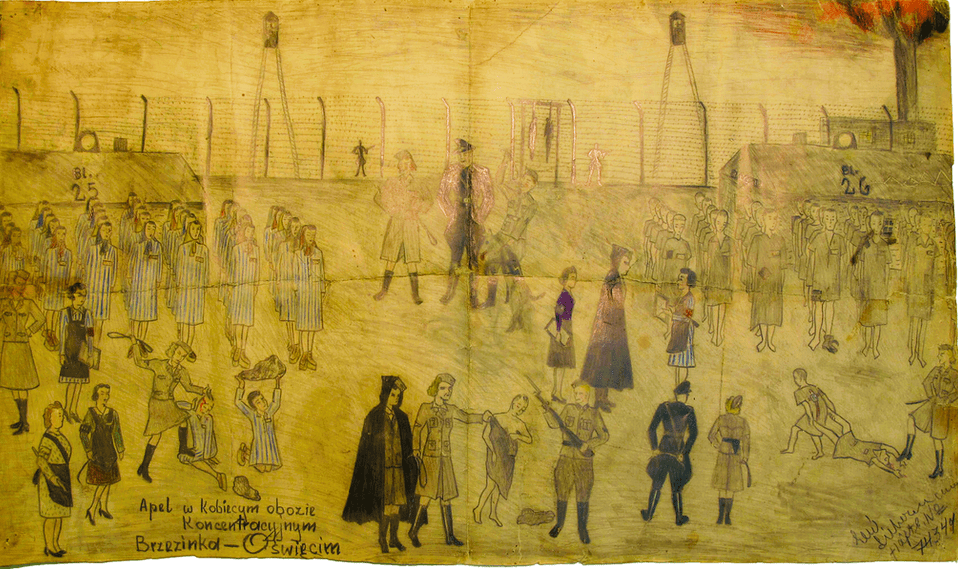
Rape in the concentration camps during the Holocaust is a harrowing subject that underscores the brutal conditions and human rights abuses suffered by the prisoners. While there is considerable documentation on various forms of violence and atrocities committed in these camps, the topic of sexual violence, including rape, has often been less discussed due to the stigma and the profound trauma experienced by the survivors.
Concentration Camps operated by Nazi Germany during World War II were sites of mass imprisonment, forced labor, and extermination. These camps, such as Auschwitz, Bergen-Belsen, and Treblinka, were characterized by severe overcrowding, malnutrition, disease, and systematic abuse.
Sexual Violence
Sexual violence in the camps took various forms and was perpetrated by guards, officers, and sometimes by fellow prisoners under duress or manipulation. The following points outline the nature and context of these abuses:
- Guards and Officers: SS officers and camp guards exploited their power to sexually abuse female prisoners. Rape was a method of asserting dominance and inflicting further psychological trauma on the victims.
- Brothels: The Nazis established brothels in some concentration camps, such as Auschwitz and Buchenwald, where women were forced into sexual slavery. These brothels were part of the camp infrastructure and were used as a means of control and reward for prisoners who were deemed cooperative or valuable.
- Medical Experiments: Some female prisoners were subjected to sexual violence under the guise of medical experiments. Notable perpetrators, such as Dr. Carl Clauberg, conducted brutal experiments on women’s reproductive organs, which often involved sexual assault and torture.
- Transactional Sex: In some instances, prisoners engaged in sexual acts in exchange for food, protection, or other survival necessities. These acts were often coerced, as the extreme conditions left individuals with little choice.
Aftermath and Silence
Many survivors of sexual violence in the camps did not speak about their experiences for decades due to shame, fear of disbelief, and the stigmatization of rape. The trauma of sexual violence compounded the already overwhelming horrors of the Holocaust.
Recognition and Documentation
In recent years, there has been an increasing recognition of the sexual violence that occurred in concentration camps. Historians and researchers have worked to document these experiences, often through survivor testimonies, to ensure that this aspect of the Holocaust is not forgotten.
- Survivor Testimonies: First-hand accounts from survivors provide invaluable insights into the prevalence and impact of sexual violence in the camps. These testimonies are crucial for understanding the full scope of atrocities committed.
- Academic Research: Scholars have published studies and books that explore the subject in depth. Works such as “Sexual Violence Against Jewish Women During the Holocaust” by Sonja M. Hedgepeth and Rochelle G. Saidel highlight the experiences and suffering of female prisoners. Dr. Marta Havryshko has also done extensive studies on the subject.
- Holocaust Education: Incorporating discussions of sexual violence into Holocaust education helps to provide a more comprehensive understanding of the victims’ experiences and the multifaceted nature of Nazi brutality.

Sexual violence against men in Nazi concentration camps is a subject that has historically received even less attention than sexual violence against women due in part to the stigma and the complexities surrounding male rape and sexual abuse. However, it is a vital aspect of the atrocities committed during the Holocaust, reflecting the pervasive brutality and dehumanization inflicted upon all prisoners.
- Homosexual Prisoners: Men who were identified or suspected of being homosexual were particularly vulnerable to sexual violence in concentration camps. These men were often forced to wear pink triangles, marking them as homosexuals and subjecting them to additional abuse and humiliation. Homosexual prisoners were frequently targeted for rape and other forms of sexual violence by both guards and fellow inmates.
- Sexual Assault by Guards: SS officers and camp guards used rape and sexual humiliation as methods of domination and control. Male prisoners, regardless of their sexual orientation, could be subjected to rape as a means of breaking their spirit and exerting power over them.
- Medical Experiments: Some male prisoners were victims of sexual violence under the guise of medical experimentation. Notable cases include castrations and other brutal procedures conducted by camp doctors. These acts were part of the broader pseudoscientific research and eugenics programs pursued by the Nazis.
- Coercive Sexual Acts: In some cases, male prisoners were forced to engage in sexual acts with other prisoners, including women, under duress. It was part of the overall strategy to dehumanize and degrade the inmates.
Impact and Aftermath
The psychological and physical impact of sexual violence on male prisoners was profound. The trauma experienced by survivors often resulted in long-lasting mental health issues, including depression, PTSD, and anxiety. The societal stigma associated with male rape further compounded their suffering, making it difficult for many to speak out or seek help after the war.
Documentation and Recognition
- Survivor Testimonies: Male survivors of sexual violence have gradually come forward with their stories, though many have remained silent due to shame and fear of disbelief. Testimonies from male survivors are crucial for understanding the full extent of sexual violence in the camps.
- Academic Research: Scholars have begun to explore this aspect of the Holocaust more thoroughly. Research into the sexual abuse of male prisoners has been growing, though it still lags behind the studies focused on female victims. Works such as “Men Under Hitler: Masculinity and Nazi Rule” by Nathan Stoltzfus provide insights into the gendered experiences of male prisoners.
- Holocaust Education: Integrating the experiences of male victims of sexual violence into Holocaust education is essential for a comprehensive understanding of the atrocities committed. This inclusion helps to destigmatize male rape and acknowledges the suffering of all victims.
A memoir published in 2015, written by Nate Leipciger, a Holocaust survivor in Poland, described his encounters with a room elder named Janek. He hid his experiences from his father, who was imprisoned in the same camp. The encounters included visits during the night, forcible penetration, exploitative sexual bartering, and more.
Sidney Klein, a Holocaust survivor from Slovakia, recounts his experience with sexual assault in the camp hospital by someone he referred to as a ‘lab technician’:
“He took me to the office, and he was offering me all kinds of things, and he raped me, he raped me, and then he wanted me to come and see him like every week … I was trying to get away from him, and a few times I was able to do it, but then he was threatening me that if I am not going to come, I will lose my job.”
Sources
https://ua.boell.org/en/2020/05/18/sexual-violence-holocaust-perspectives-ghettos-and-camps-ukraine
https://encyclopedia.ushmm.org/content/en/article/women-during-the-holocaust
https://www.nsvrc.org/blogs/reckoning-sexual-violence-sexual-terrorism-and-sexual-trauma-holocaust
https://www.sciencedirect.com/science/article/abs/pii/S1553465006006613
Donation
Your readership is what makes my site a success, and I am truly passionate about providing you with valuable content. I have been doing this at no cost and will continue to do so. Your voluntary donation of $2 or more, if you are able, would be a significant contribution to the continuation of my work. However, I fully understand if you’re not in a position to do so. Your support, in any form, is greatly appreciated. Thank you. To donate, click on the credit/debit card icon of the card you will use. If you want to donate more than $2, just add a higher number in the box left from the PayPal link. Your generosity is greatly appreciated. Many thanks.
$2.00

 History of Sorts
Leave a comment