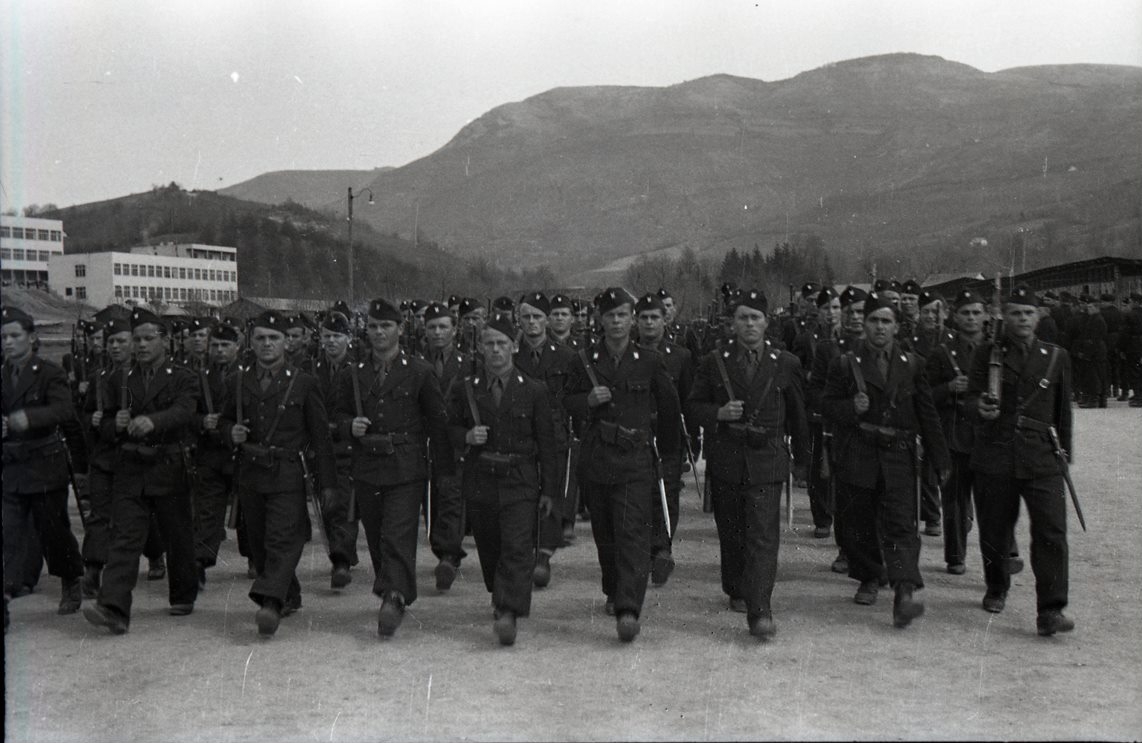
The Ustaše (also spelled Ustashas or Ustashi) was a Croatian fascist, ultranationalist, and terrorist organization that engaged in violent activity before and during World War II. Under the protection of Fascist Italy and Nazi Germany, the Ustaše established a puppet state, the Independent State of Croatia (NDH), during the Axis occupation of Yugoslavia. At World War II’s end, the Yugoslav Partisans militarily defeated and dismantled the movement.
The political backdrop to the rise of the Ustaše can be traced to growing nationalist tensions within the Kingdom of Serbs, Croats, and Slovenes. In October 1928, Croatian politician Stjepan Radić was shot in the Yugoslav Parliament and died of his wounds a month later. In response to political instability, King Alexander I imposed a royal dictatorship in January 1929, banning all political parties.
In the wake of this repression, Ante Pavelić, a Croatian lawyer and politician, fled to Vienna. Alongside Gustav Perčec, a former Austro-Hungarian lieutenant colonel, Pavelić established contacts with Macedonian political émigrés. These included members of the outlawed Internal Macedonian Revolutionary Organization (IMRO), led by Ivan Mikhailov, a known enemy of the Yugoslav state. In secret meetings, they agreed to cooperate against Yugoslavia to pursue an independent Croatia and Macedonia.
On July 17, 1929, the Court for the Preservation of the State in Belgrade sentenced Pavelić and Perčec to death in absentia. They began building support for their cause after being exiled among the Croatian diaspora in Europe and the Americas. The Ustaše organization remained small but was militarized and committed to achieving its aims through acts of terrorism and violence.
The ideological roots of the Ustaše lay in nineteenth-century Croatian nationalism, especially the ideas of Ante Starčević, who promoted the notion of an ethnically and culturally pure Croatian nation. The Ustaše fused this nationalist ideology with elements of fascism and Catholic clericalism, forming the core of their political program.
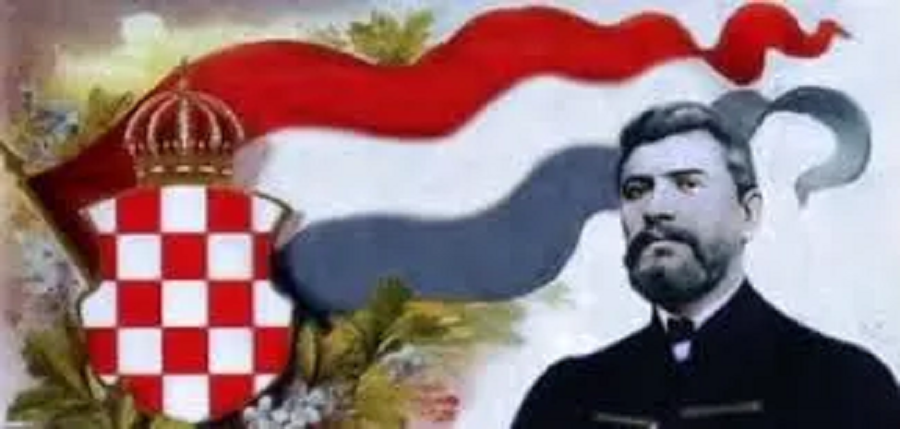
The ideology of the Ustaše movement was a fusion of fascism, Roman Catholicism, and Croatian ultranationalism. Central to their vision was the creation of a “Greater Croatia,” stretching to the River Drina and reaching the outskirts of Belgrade. The Ustaše promoted the idea of an ethnically and racially “pure” Croatia, advocating genocide against Serbs, Jews, and Romani people, along with the persecution of anti-fascist and dissenting Croatians.
Fiercely aligned with Roman Catholicism, the Ustaše linked the faith closely to Croatian national identity. They proclaimed Catholicism and Islam as the religions of the Croatian people, contending that Bosnian Muslims were ethnic Croats who had converted to Islam during the Ottoman occupation. One symbolic gesture of this narrative was the conversion of a museum in Zagreb into a mosque.
Founded in 1930 as the Ustaša—Croatian Revolutionary Organization, the movement initially operated as a radical nationalist group seeking Croatian independence. Following the Axis invasion of Yugoslavia, the Ustaše came to power in the puppet state known as the Independent State of Croatia (NDH), established under the auspices of Fascist Italy and Nazi Germany. Its military forces included the Ustaše Militia and the Croatian Home Guard, later unified as the Croatian Armed Forces.
The intellectual roots of Ustaše ideology were influenced by 19th-century Croatian nationalist Ante Starčević and later expanded upon by Ivo Pilar, writing under the pseudonym L. von Südland. Pilar’s racial theories were adopted by Ante Pavelić’s regime and formally disseminated in a 1943 translation of his work. Ustaše ideology drew selectively from Croatian nationalism, Italian fascism, German national socialism, and even elements of the Croatian Peasant Party’s program, with the Serb population of Croatia and Bosnia and Herzegovina viewed as the primary obstacle to their vision of an ethnically homogeneous state.
Despite their alliance with Nazi Germany, the Ustaše encountered ideological friction with Nazi racial doctrine, which classified Croats as Slavs and therefore racially inferior. In response, Ustaše ideologues advanced a pseudo-historical theory of Gothic origins for the Croatian people to elevate their status within the Nazi racial hierarchy.
At the apex of Ustaše leadership stood the Poglavnik (“leader”) Ante Pavelić, who was appointed Head of State on April 10, 1941, following Hitler’s acceptance of Mussolini’s recommendation. Pavelić laid out the core principles of the movement in his 1929 pamphlet Principles of the Ustaše Movement, which became a foundational document of the regime.
Germany and Italy launched their invasion of Yugoslavia on 6 April 1941. Just four days later, on 10 April, Slavko Kvaternik—the highest-ranking Ustaša operative in Croatia—seized control of the police in Zagreb and announced via radio the establishment of the Independent State of Croatia (Nezavisna Država Hrvatska, NDH). That same day, Croatian Peasant Party leader Vladko Maček issued a statement urging Croatians to cooperate with the new regime.
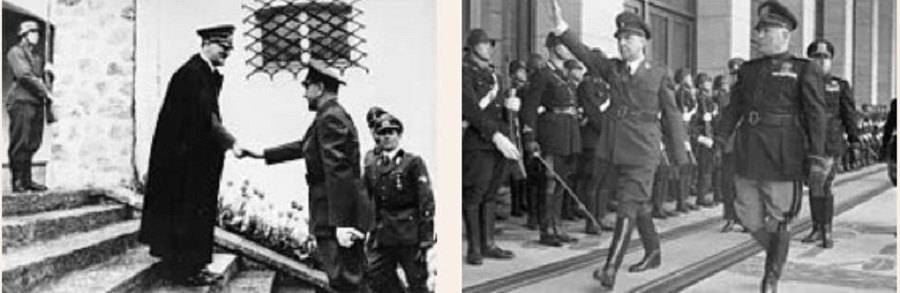
Meanwhile, Ante Pavelić and several hundred Ustaše departed from their exile camps in Italy and arrived in Zagreb. On 17 April, Pavelić officially established his government and assumed the title Poglavnik, a term roughly equivalent to “Führer” or “Headman” in English.
The NDH encompassed most of modern-day Croatia, along with Srem and Bosnia and Herzegovina. However, several areas along the Dalmatian coast and its islands were ceded to Italy under agreements with Mussolini. In practice, control over these territories fluctuated throughout the war. As the Yugoslav Partisans gained strength, German and Italian forces increasingly intervened and asserted direct authority over regions of strategic interest.
The Ustaše swiftly outlawed all opposition, targeting individuals and groups they perceived as threats. By early 1941, Jews and Serbs were being forcibly expelled from certain districts of Zagreb.
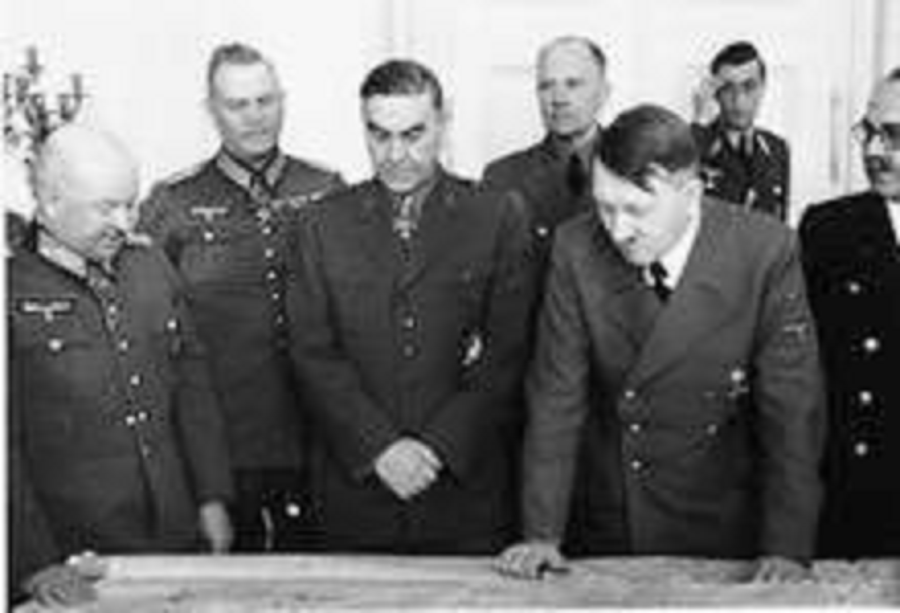
On June 6, 1941, Pavelić met Adolf Hitler for the first time, solidifying the alliance between the NDH and the Axis powers.
On July 22, 1941, Mile Budak, then serving as a minister in Ante Pavelić’s government, publicly declared the regime’s violent racial policy. That same summer, Maks Luburić—one of the chiefs of the Ustaše secret police—began constructing a network of concentration camps. As the Ustaše intensified their brutal operations in villages across the Dinaric Alps, alarm began to grow among both Italian and German officials.
As early as 10 July 1941, Wehrmacht General Edmund Glaise von Horstenau reported his concerns to the German High Command (Oberkommando der Wehrmacht, OKW), stating:
“Our troops have to be mute witnesses of such events; it does not reflect well on their otherwise high reputation… I am frequently told that German occupation troops would finally have to intervene against Ustaše crimes. This may happen eventually. Right now, with the available forces, I could not ask for such action. Ad hoc intervention in individual cases could make the German Army look responsible for countless crimes which it could not prevent in the past.”
A subsequent Gestapo report sent to Reichsführer-SS Heinrich Himmler on February 17, 1942 reinforced these concerns. It read:
“Increased activity of the bands [of rebels] is chiefly due to atrocities carried out by Ustaše units in Croatia against the Orthodox population. The Ustaše committed their deeds in a bestial manner not only against males of conscript age, but especially against helpless old people, women and children. The number of the Orthodox that the Croats have massacred and sadistically tortured to death is about three hundred thousand.”
These reports underscore the extent to which Ustaše brutality shocked even their Axis allies, contributing to growing unrest and the rise of armed resistance movements across Yugoslavia.
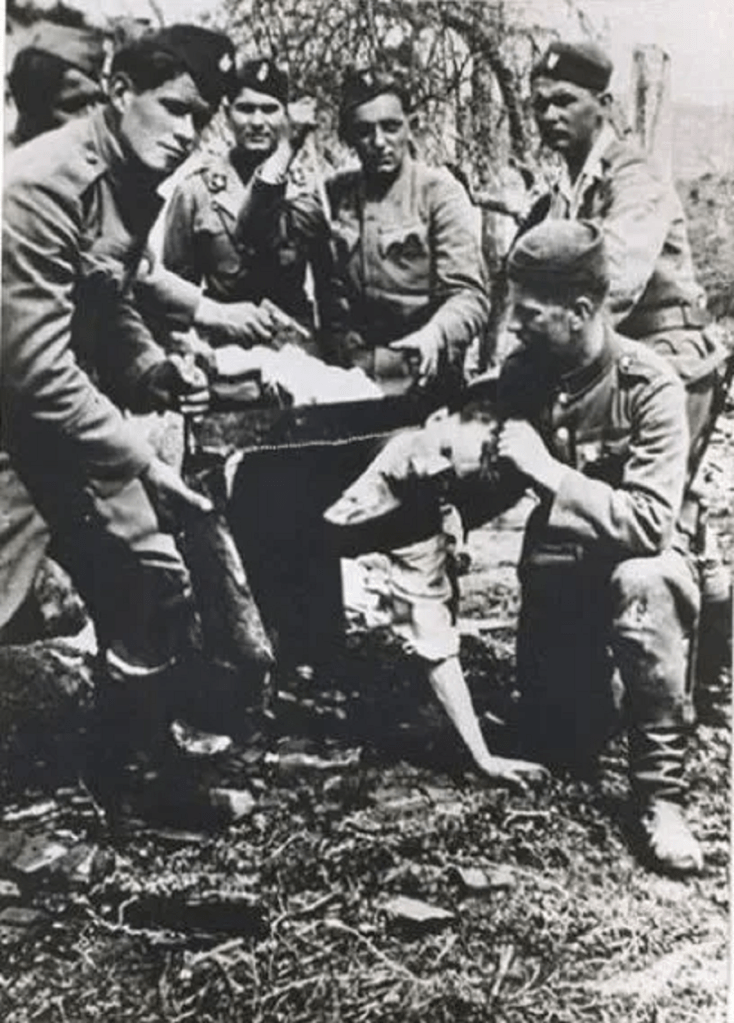
Italian forces in the field often found themselves at odds with their Ustaše allies due to overlapping territorial ambitions. From the outset, Italian troops cooperated with Chetnik units operating in the southern regions under their control. Although Adolf Hitler pressed Benito Mussolini to ensure Italian coordination with the Ustaše regime, senior Italian military leaders—most notably General Mario Roatta—frequently disregarded such directives.
The Ustaše regime implemented racial laws modeled on those of Nazi Germany. These laws targeted Jews, Roma, and Serbs, all of whom were officially designated as enemies of the Croatian state. Members of these groups, along with anti-fascists and communists, were arrested and interned in a network of concentration camps. The largest and most infamous of these was the Jasenovac complex, where thousands were systematically murdered by Ustaše forces.

The exact number of victims remains uncertain. However, estimates for some groups are considered relatively reliable. Approximately 32,000 Jews were killed during World War II within the territory of the Independent State of Croatia (NDH). The Romani (Gypsy) population in Yugoslavia declined by about 40,000 after the war, suggesting significant losses.
Estimates of the number of Serbs who perished vary widely, ranging from 300,000 to 700,000.
History textbooks in the former Socialist Federal Republic of Yugoslavia reported a total of 700,000 victims at the Jasenovac concentration camp. The Simon Wiesenthal Center, citing the Encyclopedia of the Holocaust, states that “Ustaša terrorists killed 500,000 Serbs, expelled 250,000, and forced another 250,000 to convert to Catholicism. They also murdered thousands of Jews and Gypsies.”
The Jasenovac Memorial Area, currently headed by Slavko Goldstein, keeps a list of 59,188 names of Jasenovac victims that was gathered by government officials in Belgrade in 1964. The previous head of the Memorial Area, Simo Brdar, estimated at least 365,000 dead at Jasenovac.
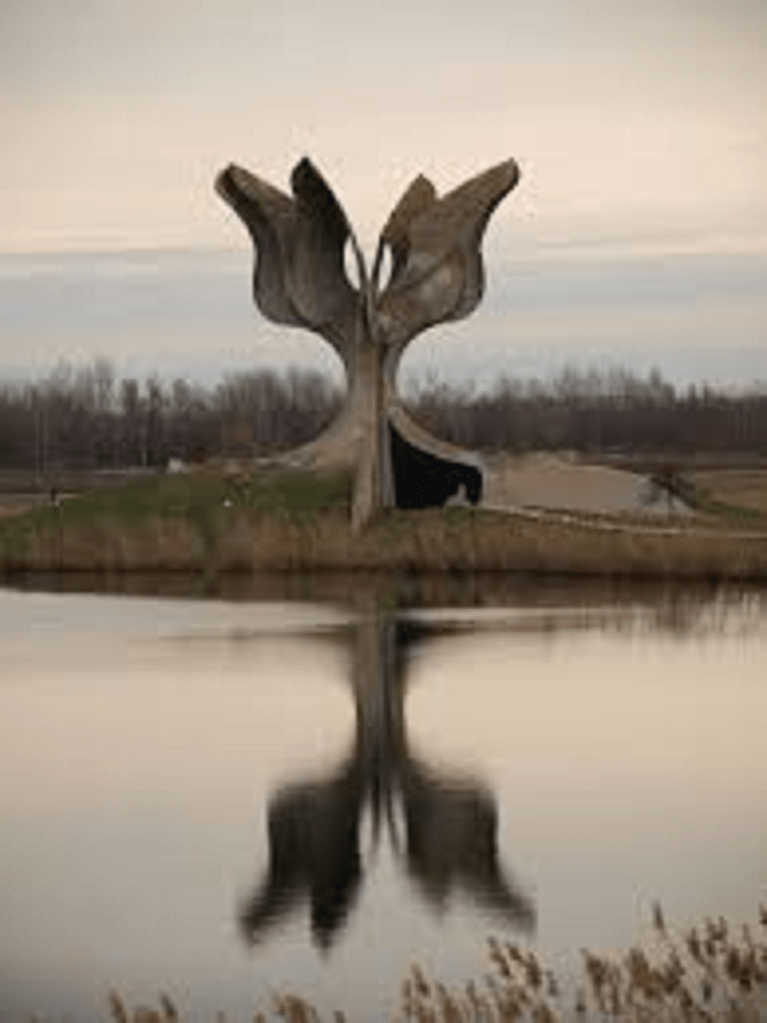
The Belgrade Museum of the Holocaust has compiled a list of over 77,000 confirmed names of victims at the Jasenovac concentration camp. Under the leadership of Milan Bulajić, a staunch proponent of the claim that 700,000 people perished there, the museum supported this higher figure. The current administration has expanded the victim list slightly, now totaling just over 80,000 names.
During the 1961 trial of Adolf Eichmann, Alexander Arnon, then secretary of the Jewish Community in Zagreb, testified about the persecution of Jews in Yugoslavia during World War II. His testimony included an estimate that 600,000 people were killed at Jasenovac.
Throughout the war, German military commanders provided varying estimates of the number of Serbs, Jews, and others killed in the territory of the Independent State of Croatia. Some of the figures circulated include:
- 400,000 Serbs (Alexander Lehr)
- 350,000 Serbs (Lothar Rendulic)
- 300,000 Serbs (Edmund Glaise von Horstenau)
- “More than three-quarters of a million Serbs” (Hermann Neubacher, 1943)
- 600,000–700,000 killed up to March 1944 (Ernst Fick)
- 700,000 (Massenbach)
The role of the Catholic Church in the Holocaust in Croatia remains highly controversial, complicated by several factors:
- After the war, the Communist government sought to diminish the Church’s influence by associating it with the Ustaše regime. Clergy were frequently portrayed as active participants in the genocide.
- Some predominantly Serbian authors alleged that the Vatican used the conflict as an opportunity to expand Catholic influence eastward through forced conversions.
- Conversely, some predominantly Croat authors defended the Church, emphasizing that several clergy—including Archbishop Aloysius Stepinac—worked to protect Jews and other victims of persecution.
Access to the Vatican’s Secret Archives remains tightly controlled and limited to individuals approved by the Church, which has further fueled debate and speculation.
As with many historical controversies, the truth likely lies somewhere between polarized narratives. While there is documented evidence of individual priests and monks directly participating in atrocities—such as the infamous “Brother Satan” Filip Majstorović and “Serbkiller King” Petar Brzica—many were defrocked after the Vatican became aware of their actions.
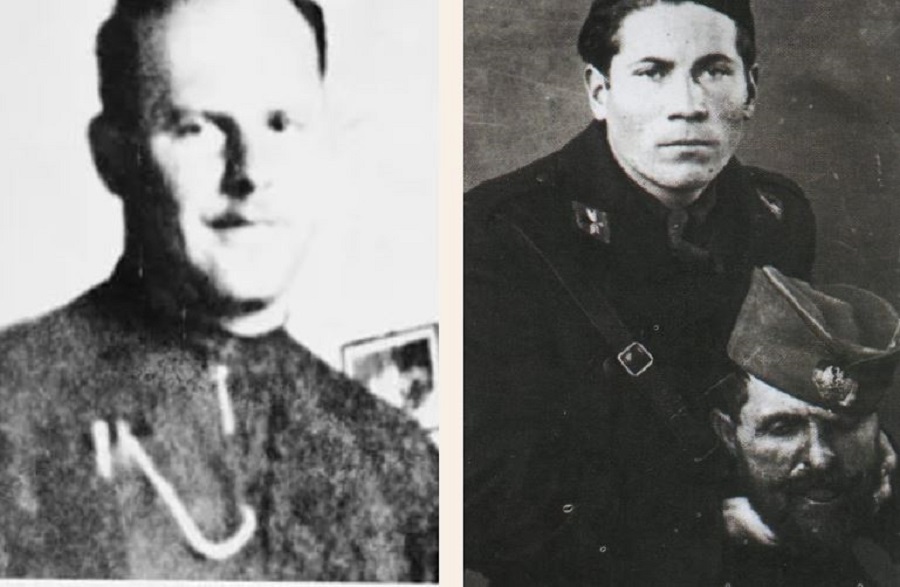
Other members of the clergy, such as Archbishop Ivan Šarić of Vrhbosna, did not directly participate in acts of violence but openly supported the Ustaše regime through writings and rhetoric. Šarić composed hymns praising Ustaše leaders and endorsed the use of “strong-handed” measures to maintain order in the country.
Archbishop Aloysius Stepinac, the most prominent Catholic figure in Croatia at the time, initially welcomed the Ustaše regime. However, he soon became disillusioned upon learning of the atrocities they committed. He intervened to save some Jews and other victims from persecution, but his overall stance remained ambiguous. While Stepinac continued to administer communion to Ustaše officials and refrained from issuing strong public condemnations, he did express concern privately—most notably through letters of protest sent to Ustaše leader Ante Pavelić.
In contrast, some clergymen took a more outspoken stance. Archbishop Alojzije Mišić of Mostar and priest Marko Oršolić publicly denounced the Ustaše regime, yet did not face significant retaliation for their dissent
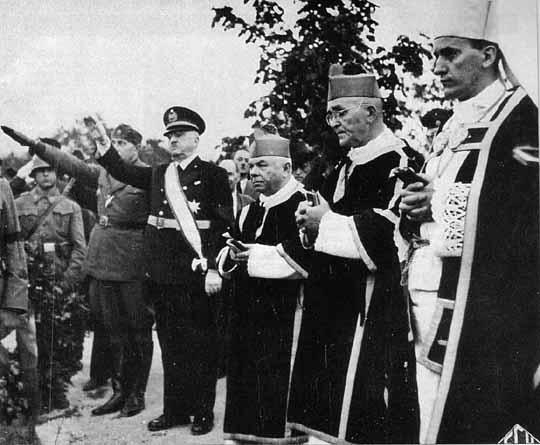
At the end of World War II, the Ustaše continued fighting briefly even after the formal surrender of German Army Group E on May 9, 1945. As the Axis collapsed, many Ustaše members and civilians attempted to flee to Austria. Ante Pavelić, the leader of the Ustaše regime, managed to escape with the help of allies among the Franciscans. He hid in Austria and later in Rome before eventually fleeing to Argentina.
Many remaining Ustaše operatives went underground or fled abroad, often with assistance from sympathetic elements within the Roman Catholic Church and émigré networks. Destinations included South America, Canada, Australia, and Germany. Some of these exiles continued their anti-Yugoslav activities, often under the banner of Croatian nationalism.
With the defeat of the Independent State of Croatia, the Ustaše movement formally disintegrated. Internal disputes over the regime’s failure to establish a lasting Croatian state fractured the surviving leadership. Pavelić went on to establish the Croatian Liberation Movement (HOP), which attracted several former officials of the NDH. Vjekoslav Vrančić later founded a reformed version of the HOP and assumed leadership.
Another key figure, Vjekoslav Luburić, established the Croatian National Resistance (Hrvatski narodni odpor, or Odpor), which became the most violent of the postwar Ustaše-affiliated organizations. Operating from Spain, Luburić led Odpor for 25 years. The group engaged in a range of criminal activities, including racketeering, extortion, attempted assassinations, bombings, and hijackings. After Luburić’s death, his successors sought alliances with international criminal networks such as La Cosa Nostra, the Provisional IRA, and elements of the Croatian mafia in San Pedro, California.
Odpor was eventually banned in Germany due to its terrorist activities. In North America, it operated in a gray zone between legitimate émigré advocacy and organized crime. Although the organization’s leadership often attempted to distance itself from the more extreme actions of “renegade” members, its ideology remained largely consistent with the original Ustaše platform—marked by radical nationalism and anti-Yugoslav sentiment.
The most notorious act associated with Odpor occurred on September 10, 1976, when its American branch, led by Zvonko Bušić, hijacked TWA Flight 355. Bušić and four other Croatian militants commandeered the plane and also planted a bomb at Grand Central Station in New York City. The incident became one of the most high-profile terrorist actions linked to the Croatian nationalist diaspora.
An attempt to disarm the bomb planted by Zvonko Bušić’s group at New York’s Grand Central Station resulted in a deadly explosion that killed one police officer and injured three others. All five hijackers surrendered. Bušić was sentenced to life imprisonment, while the other four received long-term prison sentences.
On April 9, 1957, Ante Pavelić was shot near Buenos Aires, Argentina, by Blagoje Jovović, a Serbian nationalist. Although Pavelić initially survived the attack, he succumbed to his injuries later.
Another Ustaše-linked terrorist group, the Croatian Revolutionary Cell – Bruno Bušić Department, carried out a bombing on August 19, 1981, targeting the R. S. Schultz publishing house in Percha, near Lake Starnberg, Germany. The group, allegedly based in Paris, used one kilogram of Swiss Mark 2 dynamite. They threatened to detonate an additional two kilograms the following week if the publisher proceeded with plans to release the memoirs of Yugoslav leader Josip Broz Tito.
Following World War II, the Ustaše movement fragmented into several exile organizations, none of which retained lasting cohesion or formal continuity. Today, no political or paramilitary group openly claims direct succession from the Ustaše. The term Ustaše has since become a derogatory label, most often used to refer to Croatian ultranationalism or to accuse opponents of harboring extremist or anti-Serb views.
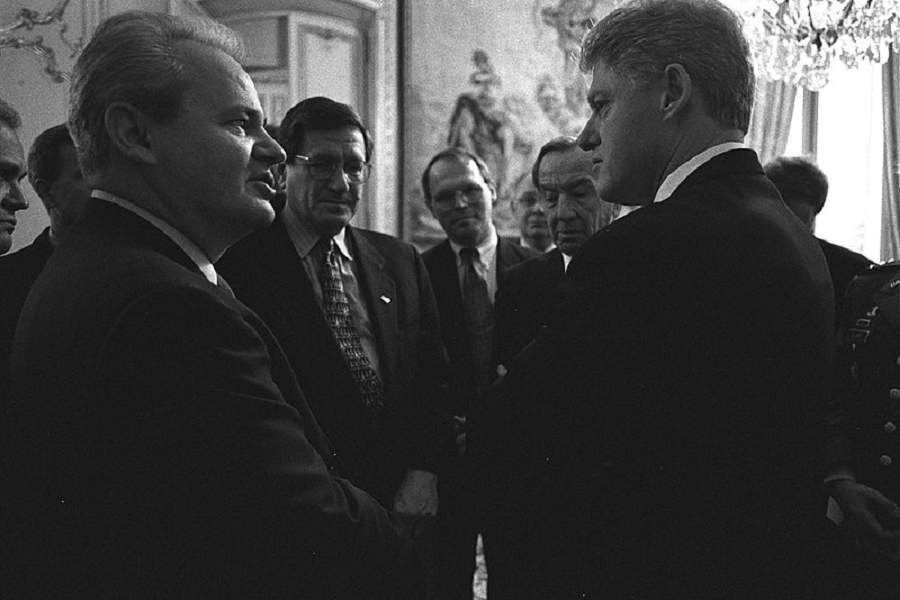
Among some Serb communities, the term is employed broadly to suggest Serbophobia or to discredit political adversaries. For example, near the end of his rule, Serbian protesters mockingly referred to Slobodan Milošević—an ethnic Serb—as an “Ustaša,” illustrating how the term has evolved into a general political insult rather than a strictly historical reference.
Sources
https://en.wikipedia.org/wiki/Slobodan_Milo%C5%A1evi%C4%87
https://www.britannica.com/topic/Ustasa
https://www.coe.int/en/web/roma-genocide/croatia
https://encyclopedia.ushmm.org/content/en/film/ustasa-forces-round-up-villagers
https://www.oxfordreference.com/display/10.1093/oi/authority.20110803114945957
Please support us so we can continue our important work.
Donation
Your readership is what makes my site a success, and I am truly passionate about providing you with valuable content. I have been doing this at no cost and will continue to do so. Your voluntary donation of $2 or more, if you are able, would be a significant contribution to the continuation of my work. However, I fully understand if you’re not in a position to do so. Your support, in any form, is greatly appreciated. Thank you. To donate, click on the credit/debit card icon of the card you will use. If you want to donate more than $2, just add a higher number in the box left from the PayPal link. Your generosity is greatly appreciated. Many thanks.
$2.00
 History of Sorts
Leave a comment