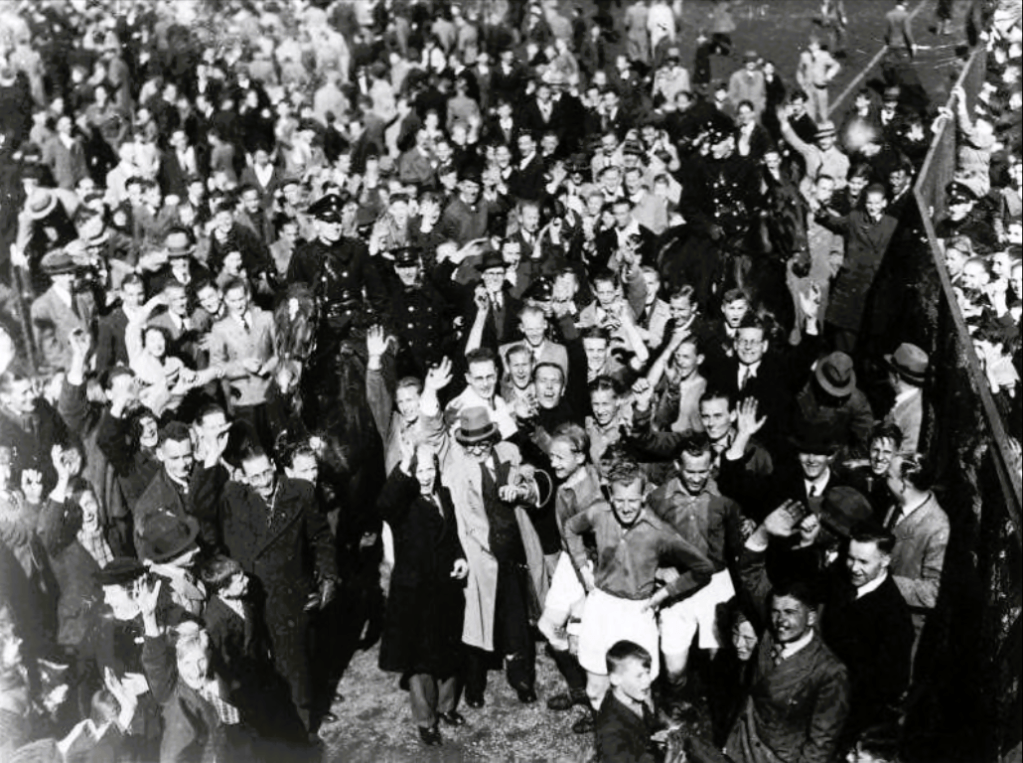
Netherlands, The Hague (‘s-Gravenhage), 1942
Football in the Netherlands did not come to a complete halt during World War II, despite the Nazi occupation and the hardships of wartime. Instead, it became both a form of escape and subtle resistance for many Dutch people.
When the Germans invaded in May 1940, football matches continued under occupation. The Dutch football association (KNVB) remained operational, and domestic leagues were played, albeit with restrictions and increasing difficulties. Stadiums were sometimes used for propaganda purposes, but for many, they offered a rare sense of normalcy and national pride.
However, the war deeply affected Dutch football. Jewish players and officials were banned and later deported; many never returned. Some clubs, like Ajax and others with significant Jewish connections, suffered deeply. Resistance fighters, including footballers, used the game as a cover for underground activities.
By the winter of 1944–45—the “Hunger Winter”—football became almost impossible as the country faced extreme shortages, transportation was halted, and daily life was a struggle for survival. But the spirit of the game endured.
After the war, football in the Netherlands became a powerful symbol of recovery. Clubs resumed play, and the sport quickly regained its popularity, helping to unite a country emerging from occupation and loss.
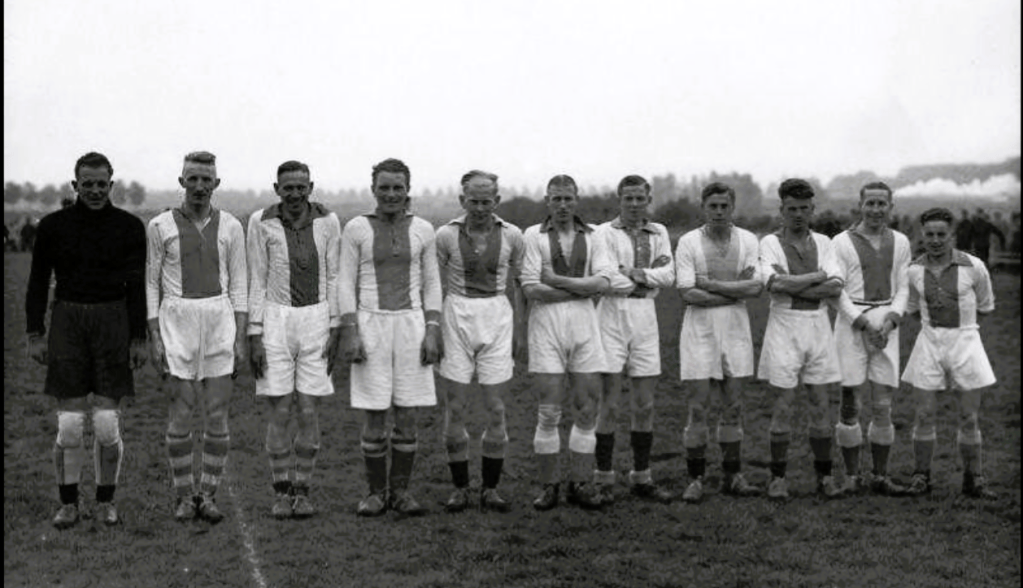
Netherlands, Zutphen, May 25, 1944.
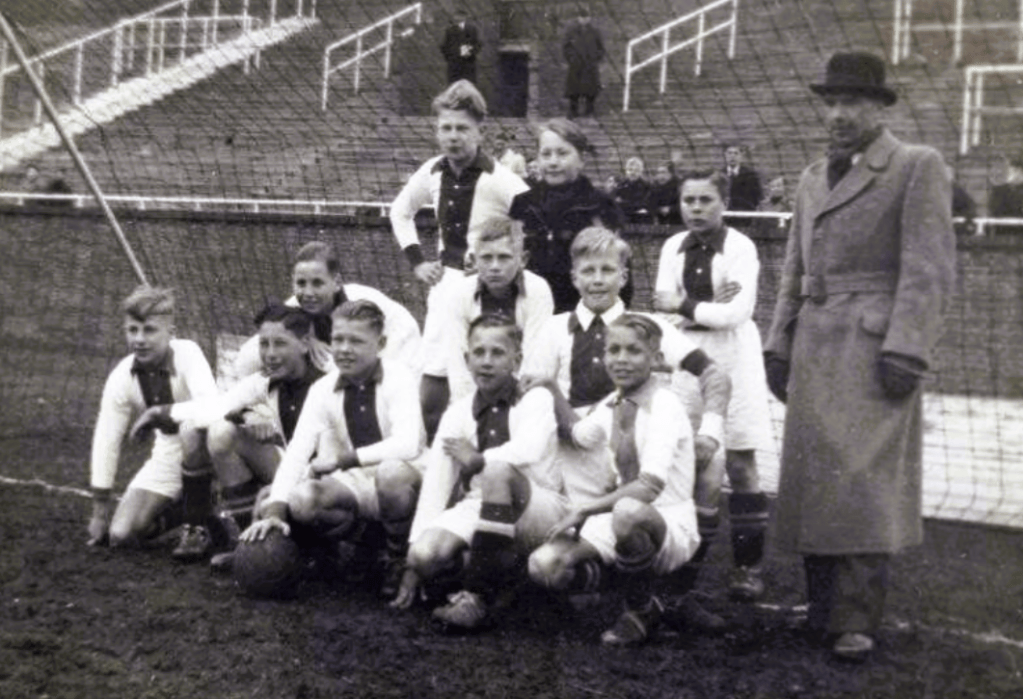
Netherlands, Amsterdam, 1940–1941 season.-Rinus Michels would become the most successful coach of he Dutch national team in 1988.
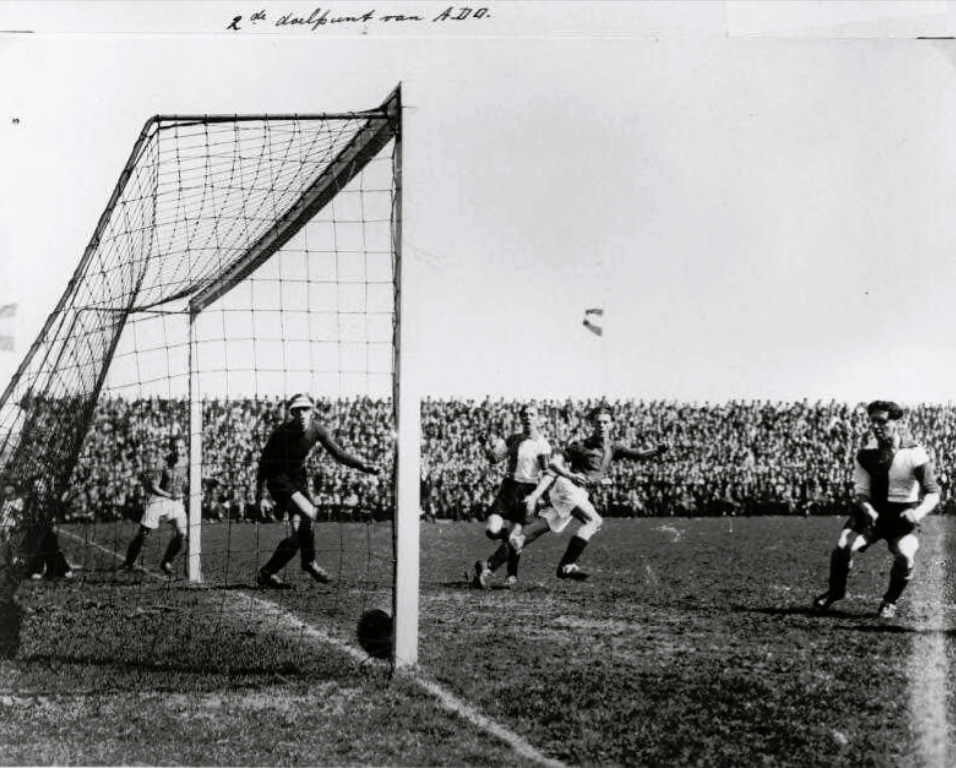
Photo: ADO’s second goal.
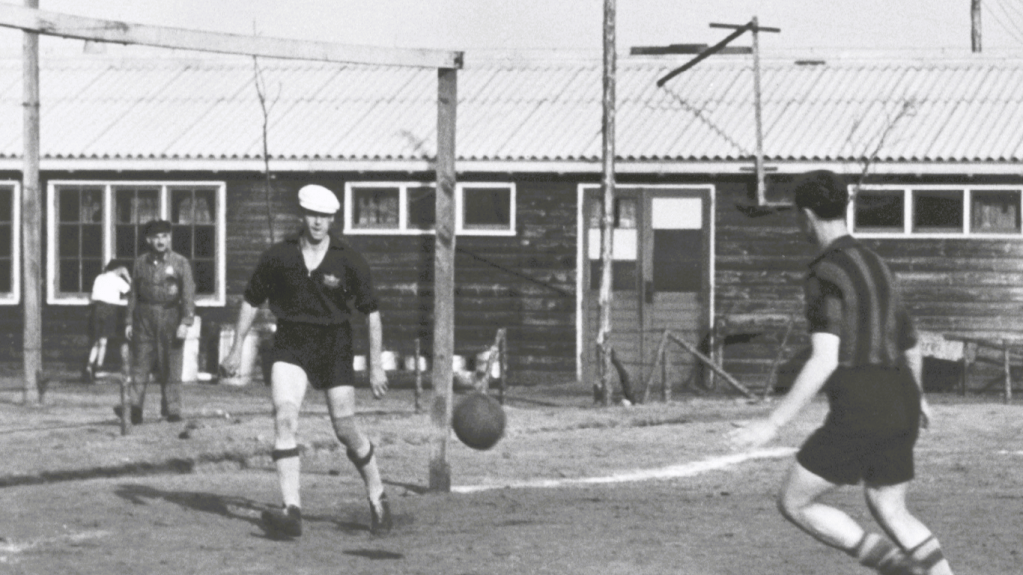
Sunday afternoon football in Westerbork camp. Jewish prisoners during the football match.
An attentive spectator behind the goal is the Austrian Arthur Pisk, leader of the Jewish Order Service.
Starting in the spring of 1943, a football league was established between teams of Jewish prisoners in Camp Westerbork. The competition was organized in 1943 and 1944—with the approval of camp commander Gemmeker—by Jewish footballers Fred Schwarz and Ignaz Feldmann (not in the photo).
A few players survived the war thanks to their football talent, but most were murdered in the extermination camps.
sources
https://www.oorlogsbronnen.nl/bronnen?term=Tweede+Wereldoorlog.+Sport%2C+voetbal.
Donation
Your readership is what makes my site a success, and I am truly passionate about providing you with valuable content. I have been doing this at no cost and will continue to do so. Your voluntary donation of $2 or more, if you are able, would be a significant contribution to the continuation of my work. However, I fully understand if you’re not in a position to do so. Your support, in any form, is greatly appreciated. Thank you. To donate, click on the credit/debit card icon of the card you will use. If you want to donate more than $2, just add a higher number in the box left from the PayPal link. Your generosity is greatly appreciated. Many thanks.
$2.00
 History of Sorts
Leave a comment