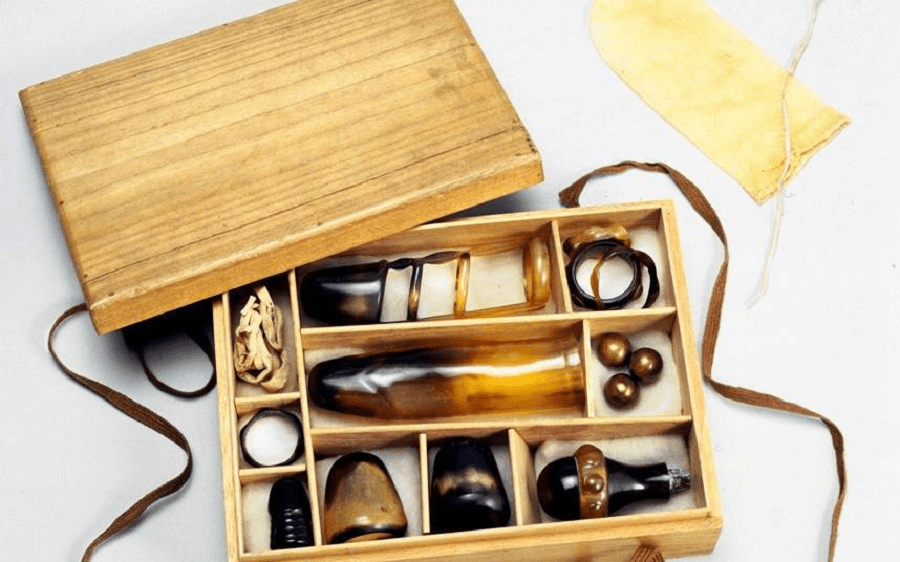
I realize this blog post might offend some readers or surprise others — especially those familiar with my usual focus on World War II and the Holocaust. But my site is called History of Sorts for a reason: I occasionally explore other aspects of human history and experience, even lighter or more provocative ones.
Please note: Some images in this post may be of a sexual nature. Viewer discretion is advised.
Let’s be honest — whether we talk about it or not, sex is a part of everyone’s life. It’s literally how we all got here. So if you’re reading this, it’s safe to say your parents had sex at some point. Like it or not, sex is at the core of human existence.
So why write about sex toys?
Because they’re a real part of our social and cultural history — and often misunderstood. Sex toys are objects used to enhance pleasure during sex or masturbation. In some cases, they also serve medical purposes, such as assisting with sexual dysfunction or other conditions.
There are many different kinds of sex toys, and people use them for various reasons. Some enjoy them, some don’t — and that’s completely normal. As long as they’re used safely, there’s nothing harmful or shameful about it.
For many, especially women, sex toys may be the most effective — or only — way to reach orgasm. That’s not strange or taboo. It’s simply human.
Certainly! Below is the Medium-formatted version of the blog. It includes section headers, rich formatting cues, and a conversational yet informative tone that aligns with Medium’s publishing style.
“Pleasure is often the forgotten component of health.” — Betty Dodson
Sex toys might seem like a modern indulgence, but they’ve been around for thousands of years. From primitive stone dildos to Bluetooth-enabled vibrators, the journey of pleasure devices is one of creativity, taboo, and cultural evolution.
Let’s explore how sex toys went from the shadows of history to center stage in sexual wellness.
Prehistoric Pleasures (28,000 BCE – 10,000 BCE)
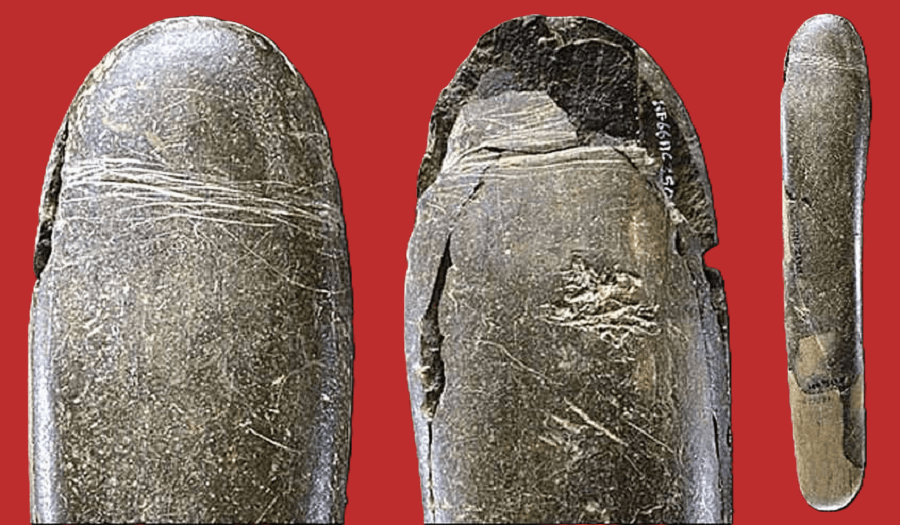
Believe it or not, some of the oldest sex toys date back to the Upper Paleolithic era. Archaeologists have discovered stone and bone objects shaped like phalluses—some as old as 28,000 years. Were they tools for fertility rituals, or simply tools of pleasure? Likely both.
Fun fact: A 20,000-year-old siltstone “dildo” was found in Hohle Fels Cave in Germany.
The Ancient World: Greeks, Romans, and the Rise of the Olisbos
In Ancient Greece, the olisbos (a leather or terracotta dildo) was both a household item and a symbol of independence for women, especially when their partners were away at war. These toys appear frequently in Greek art, literature, and comedy plays.
The Romans, never ones to shy away from pleasure, used phallic amulets and possibly even early water-powered vibratory devices. Pleasure was intertwined with religion, health, and daily life.
The Middle Ages: Morality, Mystery, and Monks
With the rise of Christian morality in medieval Europe, sexuality became cloaked in sin. Discussions of pleasure were repressed, and sex toys—if they existed—were used in utmost secrecy.
Yet not everything was chaste. Erotic manuscripts and hidden illustrations (like those in the Trotula, a medieval medical text) hint that behind closed doors, people were still very much in touch with their desires.
Renaissance to Enlightenment: Rebirth of the Erotic
As art and science flourished, so too did a curiosity about the human body. Erotic literature like The School of Venus (1655) openly discussed female pleasure and referenced “artificial devices” for stimulation.
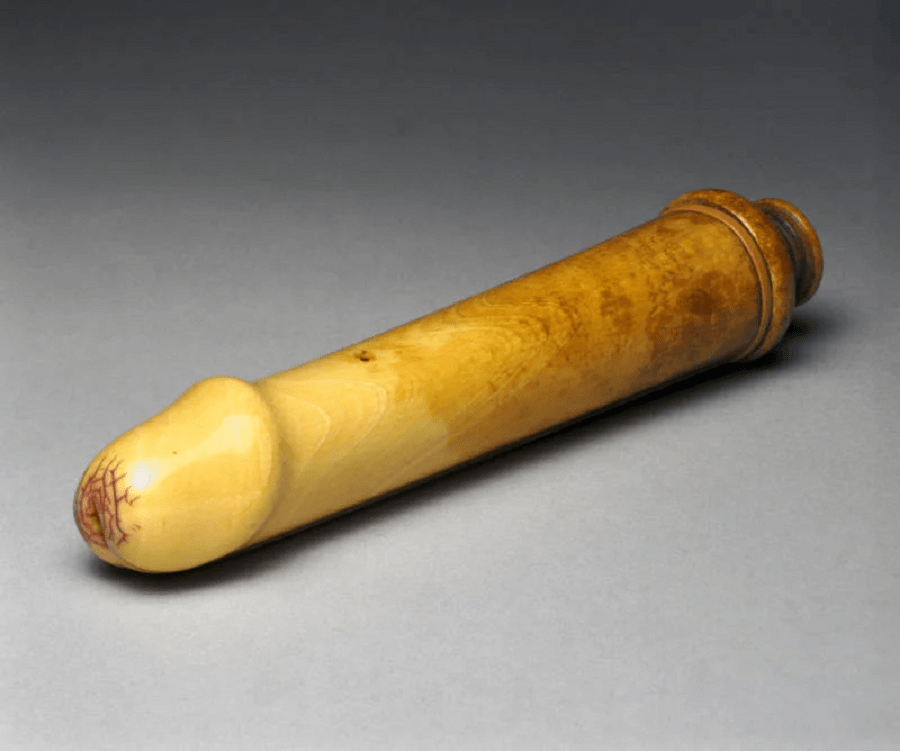
Enter the first mechanical vibrators—invented by doctors in the 19th century to treat “female hysteria” through “pelvic massage.” Yes, that actually happened.
Female Hysteria
Until the 20th century, many American and European men—including physicians—believed that women lacked sexual desire or the capacity for pleasure. Women were viewed as passive vessels for male lust, and it was assumed that intercourse ending in male ejaculation fulfilled a woman’s erotic needs. Social norms taught women that “ladies” had no sex drive, and that their marital duty was to endure sex for the sake of their husbands and procreation.
Unsurprisingly, these beliefs left countless women sexually frustrated. They reported symptoms such as anxiety, insomnia, irritability, nervousness, erotic thoughts, a sense of heaviness in the lower abdomen, and genital wetness. These complaints were collectively diagnosed as “hysteria”—a term derived from the Greek word for uterus.
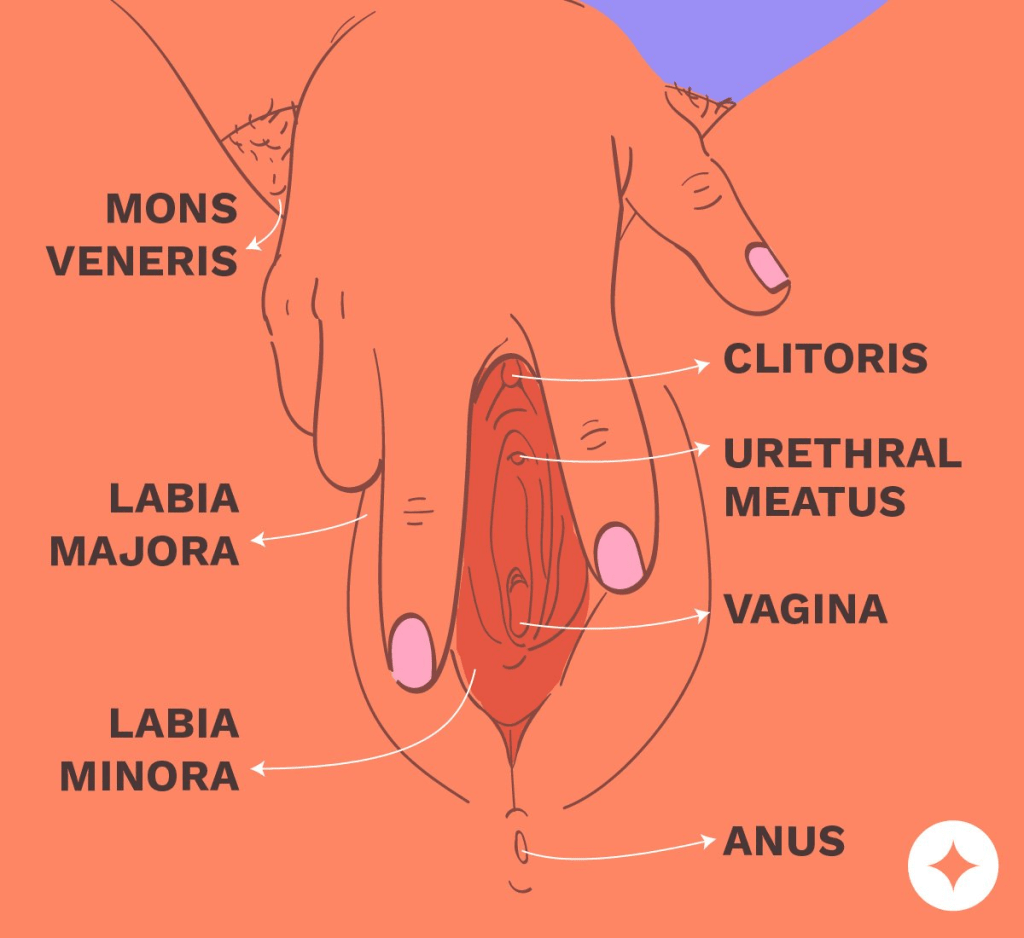
Records of female hysteria date as far back as the 13th century. At the time, some physicians acknowledged women’s sexual needs and recommended dildos to relieve frustration. By the 16th century, married women were advised to stimulate their husbands’ desire, though this likely did little to help. Modern research shows that only about 25% of women reliably experience orgasm through intercourse alone. The majority—around 75%—require direct clitoral stimulation, which intercourse often fails to provide.
For those whose needs remained unmet by their partners—including widows, single women, and those in unhappy marriages—doctors recommended horseback riding, which, for some, offered enough clitoral stimulation to induce orgasm. However, it was ineffective for many, and by the 17th century, masturbation had been widely condemned as “self-abuse,” reducing the availability of dildos and other options.
A more reliable and socially sanctioned treatment soon emerged: genital massage administered by doctors or midwives. Using vegetable oil, practitioners would stimulate the genitals—fingers inside the vagina and the heel of the hand against the clitoris—until the patient experienced what they called a “paroxysm.” Because it was widely believed that women were incapable of sexual feeling, these climaxes were not referred to as orgasms.
By the early 19th century, physician-assisted paroxysm had become a widespread treatment for hysteria in Europe and the U.S. It proved financially beneficial for many doctors. At the time, public trust in medicine was low—many doctors lacked formal training, and common practices like bloodletting often did more harm than good. Yet hysteria was one of the few ailments for which doctors could claim consistent success, bringing in large numbers of grateful, paying patients.
But the treatment came with a drawback: doctors began to suffer from hand fatigue. Medical journals of the era describe the physical strain of performing lengthy massages, which sometimes prevented physicians from completing the treatment effectively—or profitably.
Necessity, as always, spurred innovation. Physicians began experimenting with mechanical devices to reduce the burden on their hands. Early attempts included water-powered tools (precursors to today’s shower massagers) and steam-driven dildos. However, these devices were often clunky, messy, and prone to malfunction.
The solution came with the spread of electricity into homes. By the late 19th century, electrical appliances like fans, toasters, and sewing machines were becoming common. In 1880, English physician Dr. Joseph Mortimer Granville patented the electromechanical vibrator—predating the electric iron and vacuum cleaner.
Electric vibrators, both plug-in and later battery-powered, quickly gained popularity. They provided safe, rapid, and reliable paroxysms, and could be used as frequently as desired. By the early 20th century, doctors had lost their monopoly on hysteria treatment as women began purchasing the devices themselves, spurred by advertisements in mainstream women’s magazines.
The 20th Century: Repression, Revolution, and Retail
The Silent Years (1900s–1950s)
Vibrators were sold as “health aids” until they started appearing in early pornographic films. This led to their removal from mainstream catalogs, but underground demand remained.
The Sexual Revolution (1960s–70s)
Feminism and the counterculture movement ignited open conversations about masturbation and sexual agency. Influential voices like Betty Dodson championed vibrators as tools for empowerment.
- 1966: The world’s first sex toy shop (Love Store) opened in West Germany.
- 1970s: Feminist bookstores began carrying vibrators and dildos as part of women’s health and liberation.
The 21st Century: Design, Tech, and Total Liberation
Sex toys are no longer taboo—they’re wellness tools.
Modern brands like LELO, Satisfyer, and We-Vibe brought luxury, innovation, and inclusivity to the forefront. Sex toys are now:
- Made from body-safe silicone
- Designed to be aesthetic and ergonomic
- App-controlled for long-distance play
- Inclusive of all genders and orientations

We’ve also seen a shift toward eco-conscious materials, AI-powered toys, and even VR-integrated pleasure experiences.
Inclusivity and Intersectionality
The modern sex toy industry is increasingly inclusive, serving the needs of:
- Trans and non-binary individuals
- Disabled communities
- Queer and kink audiences
- Seniors reclaiming their pleasure
Today’s sex tech is about choice, consent, and customization—not just orgasms.
The Business of Pleasure
As of 2025, the global sex toy market is valued at \$40+ billion, with steady growth expected.
You can now buy vibrators at Target, see reviews on YouTube, and hear experts discuss clitoral suction on wellness podcasts. Even celebrities (like Cardi B and Gwyneth Paltrow) have helped normalize the conversation.
The Future: Where Do We Go From Here?
Here’s what the next frontier might include:
- Neurostimulating wearables
- Custom 3D-printed toys
- Sustainable bio-resin materials
- Sex robots and AI companions
- Greater integration with mental health and therapy
Final Thoughts: Pleasure Is Power
Sex toys are far more than objects. They are:
- Historical artifacts
- Tools of empowerment
- Acts of resistance
- Invitations to know ourselves more deeply
The story of sex toys is the story of human curiosity, resilience, and liberation. And we’re only just getting started.
Further Reading
- The Technology of Orgasm – Rachel P. Maines
- Come As You Are – Emily Nagoski
- Sex at Dawn – Christopher Ryan and Cacilda Jethá
sources
https://allthatsinteresting.com/history-of-sex-toys#1
https://en.wikipedia.org/wiki/Sex_toy
Donation
Your readership is what makes my site a success, and I am truly passionate about providing you with valuable content. I have been doing this at no cost and will continue to do so. Your voluntary donation of $2 or more, if you are able, would be a significant contribution to the continuation of my work. However, I fully understand if you’re not in a position to do so. Your support, in any form, is greatly appreciated. Thank you. To donate, click on the credit/debit card icon of the card you will use. If you want to donate more than $2, just add a higher number in the box left from the PayPal link. Your generosity is greatly appreciated. Many thanks.
$2.00
 History of Sorts
Leave a comment