As many of you will know by now, I was born and raised in a small mining town in the southeast of the Netherlands. The town is named Geleen, but like so many other towns, Geleen is divided into several neighbourhoods. The neighbourhood where I grew up is called Lindenheuvel.

In 1926, the Dutch government opened a state-run coal mine called Maurits adjacent to Lindenheuvel. It created employment for not only the Dutch but also other nationalities. Geleen grew and became an attractive option for immigrants.
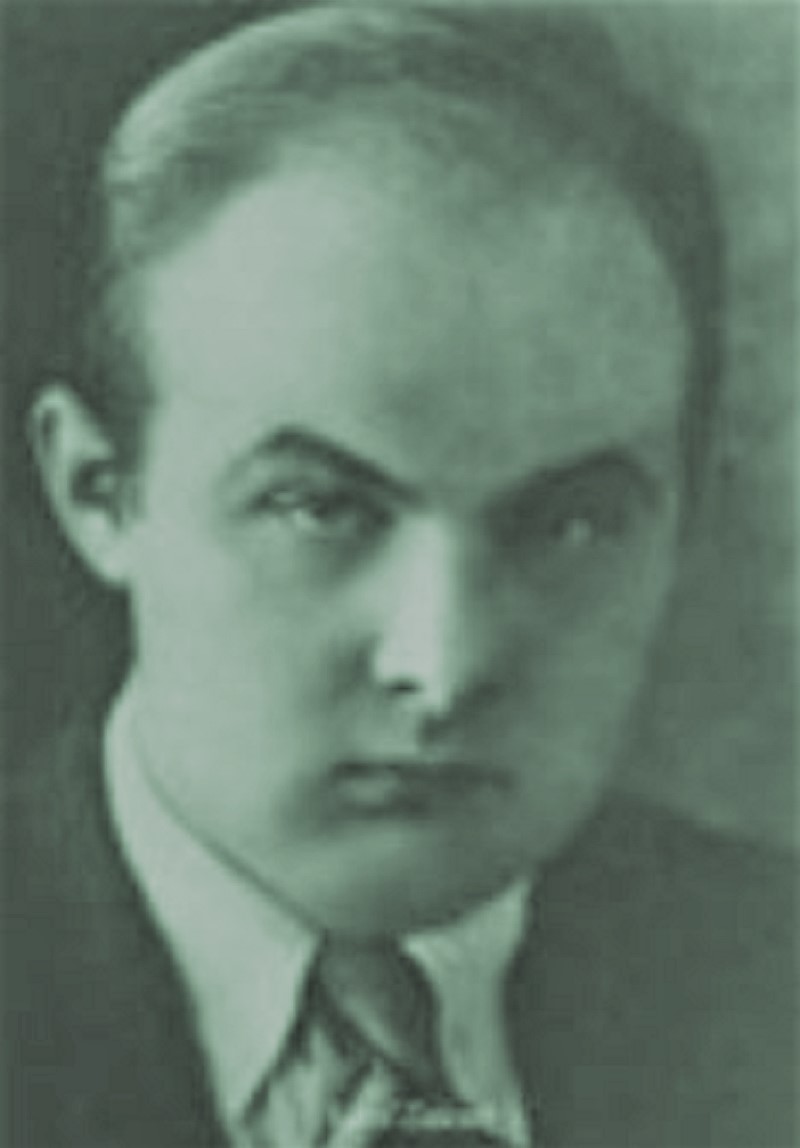
Karl Zaicsek’s parents were some of those immigrants. They moved from Hungary to Lindenheuvel in Geleen. The exact date not known for when Karl and his parents moved to Geleen—all we know is that Karl’s father died on 9 February 1939. Karl was only 17 at the time of his father’s death, so I presume it was up to him then to provide for his family. He went and found a job at the mine.
On 10 May 1940, German troops invaded the Netherlands. A few days after the bombing of Rotterdam, the Dutch army capitulated. The Dutch government had already gone into exile in London.
Karl continued working in the mine during the war. He also became a member of the Council of the Resistance. His code name was Koenen.
His acts of defiance against the German oppressors consisted of distributing illegal literature, ammunition and delivery of food to those who were in hiding.
On 12 September 1944, Karl and his mate Jan Barning were caught by German soldiers outside the entrance of the SBB-Stikstofbindingsbedrijf (Nitrogen Fixation factory).
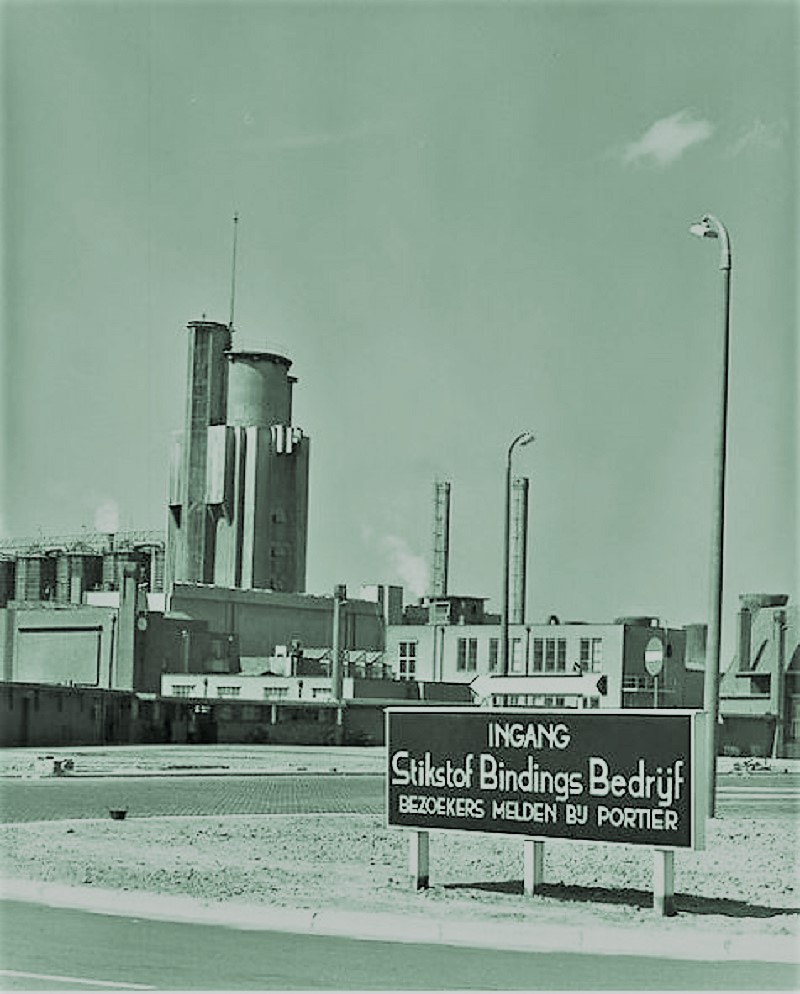
They had just come back with supplies, it was thought that Karl had a basket of butter on his bicycle.
The pair, however, did not want to be escorted to the German HQ and decided to make a run for it. Jan Barning threw his bike at the German soldier, who then escorted them. Then, Jan and Karl made a run for it. Jan was nearly shot in the head but managed to run into a nearby hostel for mine workers.
Unfortunately, Karl Zaicsek was not as lucky and was caught again between Sittard and Hoensbroek. The Nazis executed Karl on 12 September 1944. Other sources claim the execution took place on 16 September. The sad thing, Geleen had been liberated only a few days later—on 18 September.
His family received confirmation of his death in 1951. On 20 July 1951, a funeral service for them.
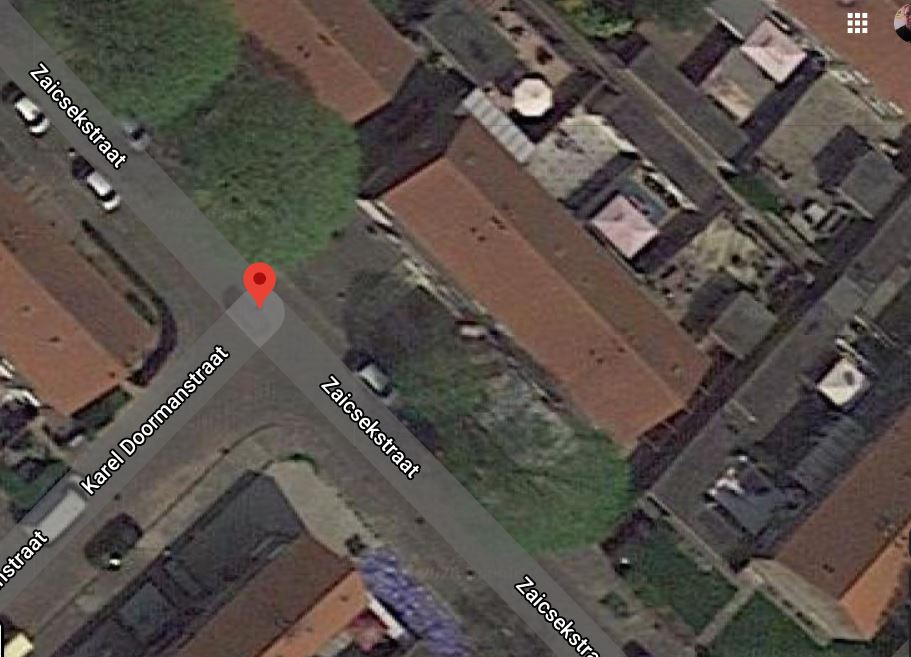
In Lindenheuvel, they named a street after Karl.
I only found out about Karl a few years ago. I easily could have discovered his story a long time ago if I had only looked at the names on the monument in the centre of Lindenheuvel. His name is one among the names of the soldiers and resistance fighters mentioned on the monument. A place I passed by and visited hundreds of times.

Even if I had been just a bit more inquisitive about the street name—I so often walked on—I would have known the story of Karl. Only later in my life, when I became an immigrant, I discovered his heroic actions—and that of so many others from Geleen.
Donation
Your readership is what makes my site a success, and I am truly passionate about providing you with valuable content. I have been doing this at no cost and will continue to do so. Your voluntary donation of $2 or more, if you are able, would be a significant contribution to the continuation of my work. However, I fully understand if you’re not in a position to do so. Your support, in any form, is greatly appreciated. Thank you. To donate, click on the credit/debit card icon of the card you will use. If you want to donate more than $2, just add a higher number in the box left from the PayPal link. Your generosity is greatly appreciated. Many thanks.
$2.00
https://www.wo2slachtoffers.nl/bio/56599/Zaicsek-Karl-Karel.htm
 History of Sorts
Leave a comment