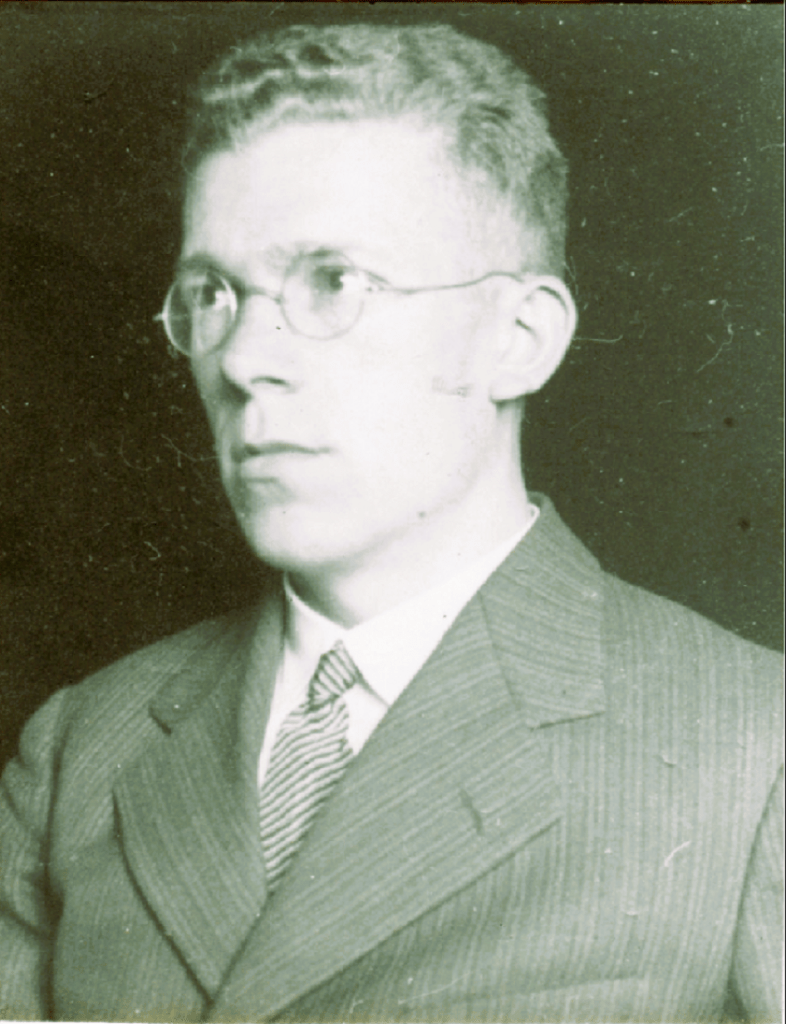
Hans Asperger, the Austrian pediatrician whose name became synonymous with a specific form of autism, is a figure both celebrated and condemned. His work in the 1940s led to the identification of what would later be called Asperger syndrome, a condition marked by difficulties in social interaction, restricted interests, and repetitive behaviors, often accompanied by high intelligence. For decades, Asperger’s was viewed as a pioneer in autism research, contributing to the understanding of neurodiversity and advocating for the education of children with special needs. However, recent revelations have exposed a darker side of Asperger’s legacy, particularly his complicity with Nazi eugenics policies during World War II.
Asperger’s Work in Autism and Neurodiversity
Hans Asperger’s early research focused on children who exhibited distinct social and cognitive differences from their peers. In 1944, he published a paper on what he called “autistic psychopathy,” describing a group of children who struggled with social interaction and communication but displayed above-average intelligence and a narrow focus on specific interests. Asperger’s observations laid the groundwork for what would later be recognized as a spectrum of autistic traits, particularly what became known as Asperger syndrome. His work, largely unrecognized outside German-speaking countries until the late 20th century, emphasized that these children could grow up to be highly functional adults if given proper education and support.

Asperger’s advocacy for children with specific cognitive differences is part of why his name became associated with high-functioning autism. He recognized the intellectual and creative potential in some of these children, arguing that they should be nurtured and educated, not discarded. However, his treatment of children with more severe disabilities or those who did not fit his criteria for potential productivity was shaped by the darker forces of the time—namely, the Nazi regime’s ideology of racial hygiene.
Complicity in Nazi Eugenics
The rise of Nazism in Austria, where Asperger worked, created a climate of fear and dehumanization, particularly for people with disabilities. The Nazis promoted eugenics, the idea of improving the human race through selective breeding and the elimination of those considered “unworthy of life.” This ideology led to horrific programs like Aktion T4, the mass murder of disabled individuals, which was justified as a means of cleansing society of “burdens” and “undesirables.”
Historian Herwig Czech’s groundbreaking 2018 research uncovered compelling evidence of Asperger’s cooperation with Nazi eugenics policies, revealing that he was not just a passive bystander but an active participant in the system that dehumanized and eliminated children with disabilities. Asperger referred many children deemed “uneducable” or “unfit” for society to the Am Spiegelgrund clinic, a notorious institution in Vienna where hundreds of children were killed under the Nazis’ child euthanasia program. These children, labeled as burdens on society, were subjected to medical experimentation and euthanasia.

Asperger’s role in this process is particularly troubling because it highlights his selective compassion. While he advocated for children with milder forms of autism, especially those he saw as capable of contributing to society, he was complicit in the persecution and death of children with more severe disabilities. His involvement in the Nazi euthanasia program challenges the notion that he was a protector of vulnerable children. Instead, he appears to have aligned himself with the regime’s ideology, classifying children according to their perceived utility rather than their inherent humanity.
Moral Ambiguity and Ethical Failures
Asperger’s cooperation with Nazi policies raises difficult questions about his motivations and the ethical choices he made during a dark period in history. Although Asperger never officially joined the Nazi Party, his actions suggest that he was willing to work within the framework of Nazi ideology, using his medical expertise to support the regime’s goals. His decision to send children to Am Spiegelgrund reflected his acceptance of the eugenic ideas of the time, which classified individuals based on their potential to contribute to society and deemed those with severe disabilities as expendable.
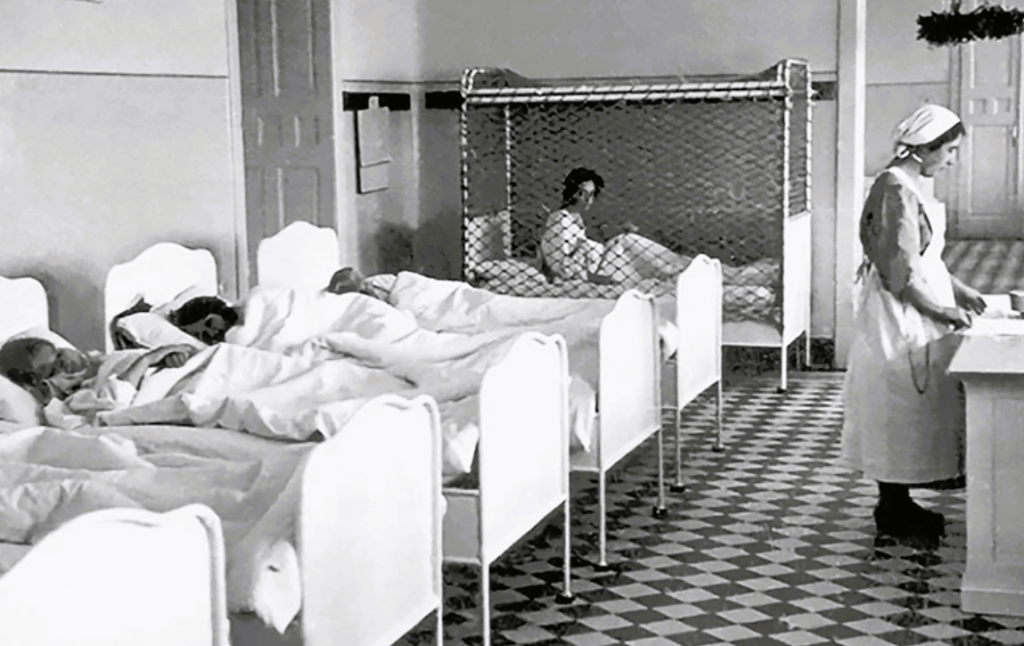
Some defenders of Asperger’s argue that he was operating under the constraints of an oppressive regime and that his actions may have been motivated by a desire to protect some children, even if it meant sacrificing others. This argument, however, does not absolve him of responsibility. Unlike other medical professionals who resisted or refused to participate in Nazi policies, Asperger chose to comply with the regime’s deadly eugenic practices. His complicity in the deaths of children at Spiegelgrund marks a profound ethical failure, one that cannot be overlooked even in the context of the broader horrors of Nazi Germany.
Legacy and Reassessment
For decades, Hans Asperger was celebrated as a pioneer in autism research. His name was honored in the form of Asperger Syndrome, a diagnosis used to describe individuals on the autism spectrum who exhibit high levels of functioning in certain areas. However, as more information has emerged about his role during the Nazi era, many have questioned whether his name should continue to be associated with the condition.
In 2013, the Diagnostic and Statistical Manual of Mental Disorders (DSM-5) removed Asperger syndrome as a distinct diagnosis, folding it into the broader category of autism spectrum disorder (ASD). While this decision was made primarily for scientific reasons, the revelations about Asperger’s involvement in the Nazi euthanasia program have added an ethical dimension to the debate. Some argue that continuing to use his name honors a man who was complicit in atrocities. In contrast, others contend that his medical contributions should be considered separately from his actions during the war.
The darker side of Hans Asperger’s legacy complicates his reputation as a pioneer in autism research. While his work contributed significantly to the understanding of neurodiversity and the need for specialized education for children with certain cognitive differences, his participation in Nazi eugenics programs reveals a disturbing willingness to categorize children based on their perceived societal worth. His selective advocacy for children with high-functioning autism, combined with his role in the deaths of those deemed less valuable, challenges the ethical foundations of his career.
As society continues to reassess the legacy of historical figures, it is crucial to confront the full complexity of their actions. In the case of Hans Asperger, both his contributions to medicine and his complicity in Nazi crimes must be acknowledged. His story serves as a reminder of the moral dangers that arise when medical science is subordinated to ideologies that dehumanize and marginalize the most vulnerable members of society.
Sources
https://molecularautism.biomedcentral.com/articles/10.1186/s13229-018-0208-6
https://www.nature.com/articles/d41586-018-05112-1
Donation
Your readership is what makes my site a success, and I am truly passionate about providing you with valuable content. I have been doing this at no cost and will continue to do so. Your voluntary donation of $2 or more, if you are able, would be a significant contribution to the continuation of my work. However, I fully understand if you’re not in a position to do so. Your support, in any form, is greatly appreciated. Thank you. To donate, click on the credit/debit card icon of the card you will use. If you want to donate more than $2, just add a higher number in the box left from the PayPal link. Your generosity is greatly appreciated. Many thanks.
$2.00

 History of Sorts
Leave a reply to tzipporahbatami Cancel reply