Viewing images of the death and destruction wrought by the Holocaust can be deeply gut-wrenching. While it’s often said that a photograph speaks a thousand words, it’s equally valid that it can never tell the whole story. A photo captures only a single moment in time.
This is one of the reasons I rarely share posts featuring graphic images of Holocaust atrocities. Instead, I find the words of those who witnessed these horrors firsthand to be far more haunting and profoundly impactful.
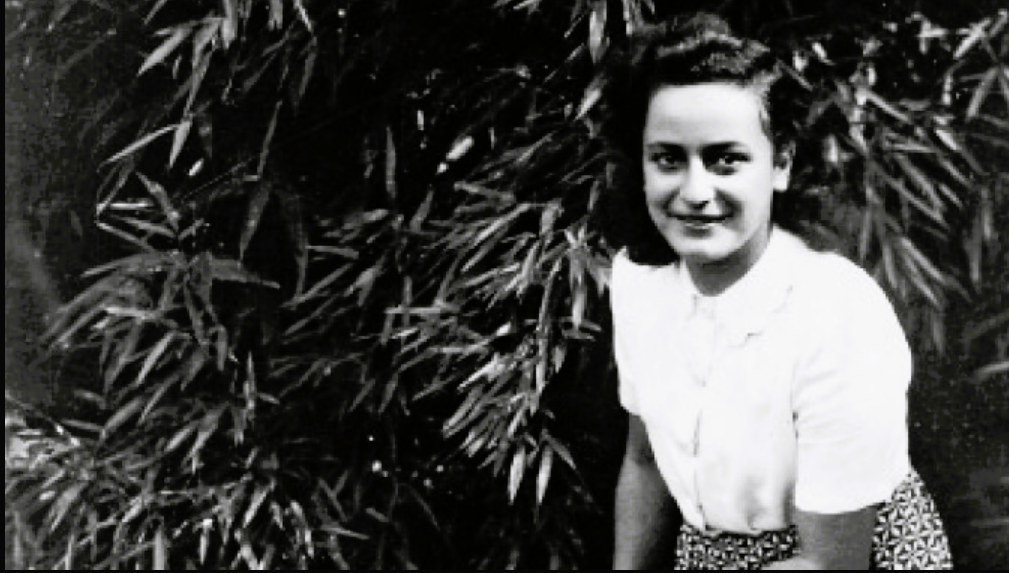
Hélène Berr was just 21 years old when she began keeping a diary in 1942, two years into the German occupation of France. Raised in a well-to-do Jewish family deeply rooted in Parisian society, she lived a life balanced between her cultural heritage and the vibrant intellectual world of the Sorbonne. However, the march of history soon shattered this equilibrium. As the occupation tightened its grip, Hélène’s diary captures with poignant detail the relentless progression of events that would forever alter her world, beginning with the ominous developments of 1942.
She is often called the “French Anne Frank,” a poignant comparison that highlights her story of resilience and tragedy. Like Anne, Hélène met a heartbreaking end at Bergen-Belsen, where she was killed on April 10, 1945—23 years before I came into this world.
Following are just some of her words.
On hope and despair:
“When I think of everything that has happened since October 10, 1942, I cannot believe it’s true. But it is true. The great despair I have experienced, I have hidden from everyone. It was so intense it almost killed me.”
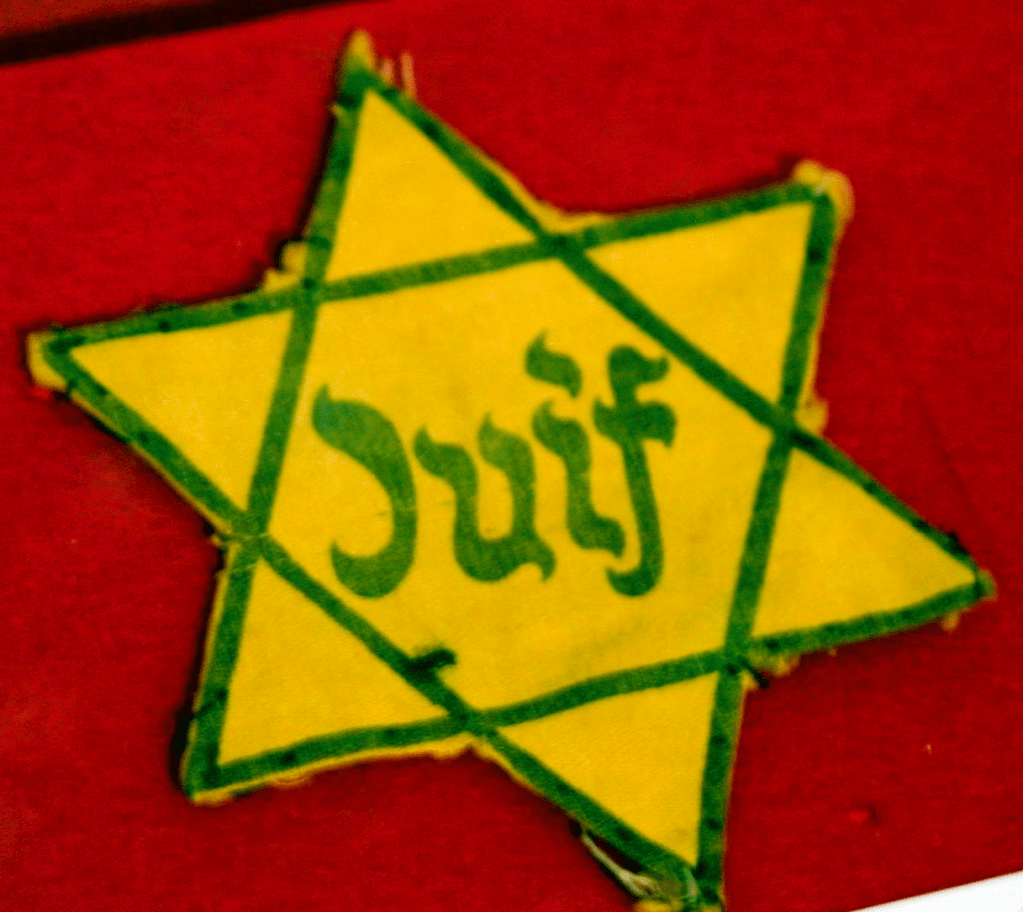
On wearing the yellow star:
“I held my head high and looked people so straight in the eye they turned away. But it’s hard. I felt the tears rising. This morning, I felt the full horror of this law.”
On the loss of freedom:
“The hardest thing is not being able to do what we want when we want. It’s this constant fear that paralyses us, that locks us into this unbearable, crushing silence.”
On humanity amidst inhumanity:
“I have discovered that even in the darkest of times, people have the capacity for incredible kindness, often from the most unexpected places. It is this that I must hold on to.”
On her fate and the fate of others:
“They have taken so many away already. And when will it be our turn? Sometimes, I feel as though my heart has already been deported, it hurts so much for the others who have gone.”
…because you shouldn’t forget anything.”
“…I want to stay very elegant and dignified at all times so that people can see what that means. I want to do whatever is most courageous. This evening, I believe that means wearing the star.”
4 June 1942
“Life continues to be strangely shabby and strangely beautiful,”
June 1942
“Here we had tea on the small table, listening to the “Kreutzer” sonata… He sat at the piano without being asked and played some Chopin. Afterward, I played the violin.”
11 August 1942
“I couldn’t really make out Papa’s note because Maman was sobbing so hard that it stopped me concentrating. For the time being I couldn’t cry. But if misfortune does come, I shall be sorrowful enough, sorrowful for all time.”
20 September 1942
“All day long there’s a continuous line of women who have lost their children, men who have lost their wives, children who have lost their parents, people coming to ask for news of children and women, and others offering to take them in. Women weep. Yesterday one of them fainted.”
23 July 1942
“I forget that I have to lead a positive life,”
November 1943
“There aren’t many Jews in Paris anymore.”

Hélène and her parents were arrested early on the morning of March 8, 1943. The police took them to the Drancy Relocation Camp, located just east of Paris, where they endured nearly three harrowing weeks of incarceration. From there, the Germans deported them to Auschwitz, where Hélène spent eight grueling months before being transferred to the Bergen-Belsen Concentration Camp in the autumn of 1944.
As winter descended upon Bergen-Belsen in 1944–45, a devastating typhus epidemic swept through the camp. Hélène contracted the disease, leaving her gravely ill and increasingly frail. By the end of the harsh winter, she was too weak to stand or walk. One day, unable to attend a mandatory roll call due to her condition, Hélène was brutally beaten by a Nazi officer, further weakening her fragile body.
On April 10, 1945, just five days before the camp’s liberation by British and American forces, Hélène succumbed to typhus. Her death marked the tragic end of a life extinguished far too soon amidst the unimaginable horrors of the Holocaust.
Sources
https://www.yadvashem.org/education/educational-materials/books/helene-berr.html
https://www.jewishbookcouncil.org/book/the-journal-of-helene-berr
https://www.csmonitor.com/Books/Book-Reviews/2008/1111/the-journal-of-helene-berr
Donation
Your readership is what makes my site a success, and I am truly passionate about providing you with valuable content. I have been doing this at no cost and will continue to do so. Your voluntary donation of $2 or more, if you are able, would be a significant contribution to the continuation of my work. However, I fully understand if you’re not in a position to do so. Your support, in any form, is greatly appreciated. Thank you. To donate, click on the credit/debit card icon of the card you will use. If you want to donate more than $2, just add a higher number in the box left from the PayPal link. Your generosity is greatly appreciated. Many thanks.
$2.00
 History of Sorts
Leave a comment