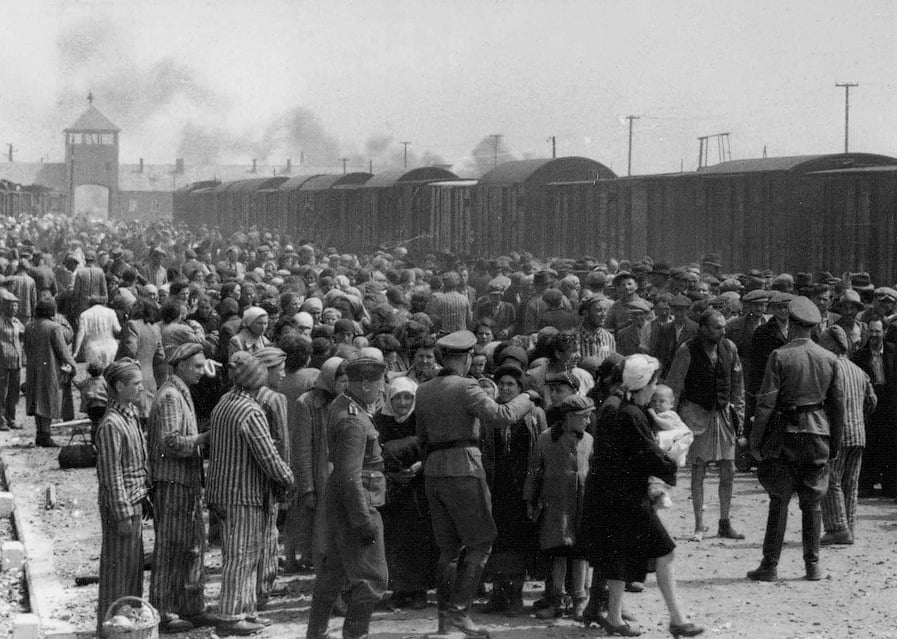
They say a picture is worth a thousand words, and while this may be true, it can never tell the entire story. That’s why I believe it is crucial to listen to or read the testimonies of survivors, liberators, and even perpetrators to understand the Holocaust from multiple perspectives.
Let us begin with the words of some of the perpetrators.
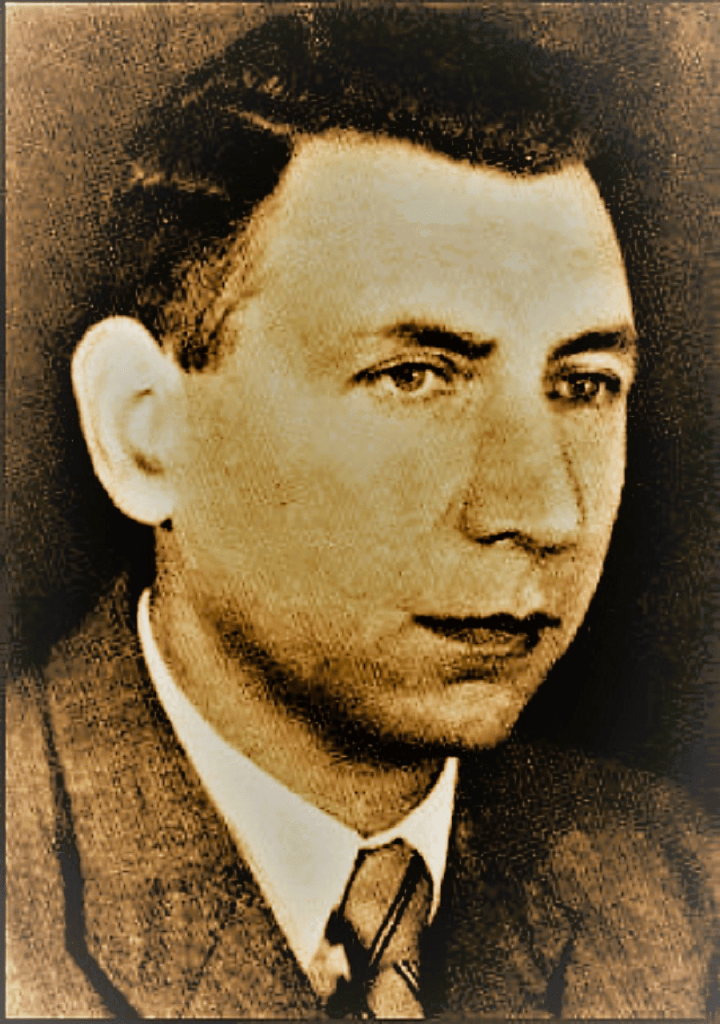
Perpetrators
Kurt Heissmeyer:
When asked why he didn’t use guinea pigs, he responded, “For me, there was no basic difference between human beings and guinea pigs.” He then corrected himself: “Jews and guinea pigs.”
Testimony of SS Scharfuhrer Erich Fuchs in the Sobibor-Bolender trial, Dusseldorf
“We unloaded the motor. It was a heavy Russian benzine engine, at least 200 horsepower. We installed the engine on a concrete foundation and set up the connection between the exhaust and the tube.
I then tested the motor. It did not work. I was able to repair the ignition and the valves, and the motor finally started running. The chemist, who I knew from Belzec, entered the gas chamber with measuring instruments to test the concentration of the gas.
Following this, a gassing experiment was carried out. If my memory serves me right, about thirty to forty women were gassed in one gas chamber.The Jewish women were forced to undress in an open place close to the gas chamber and were driven into the gas chamber by the above-mentioned SS members and the Ukrainian auxiliaries. When the women were shut up in the gas chamber I and Bolender set the motor in motion. The motor functioned first in neutral. Both of us stood by the motor and switched from “Neutral” (Freiauspuff) to “Cell” (Zelle) so that the gas was conveyed to the chamber. At the suggestion of the chemist, I fixed the motor on a definite speed so that it was unnecessary henceforth to press on the gas. About ten minutes later, the thirty to forty women were dead.”
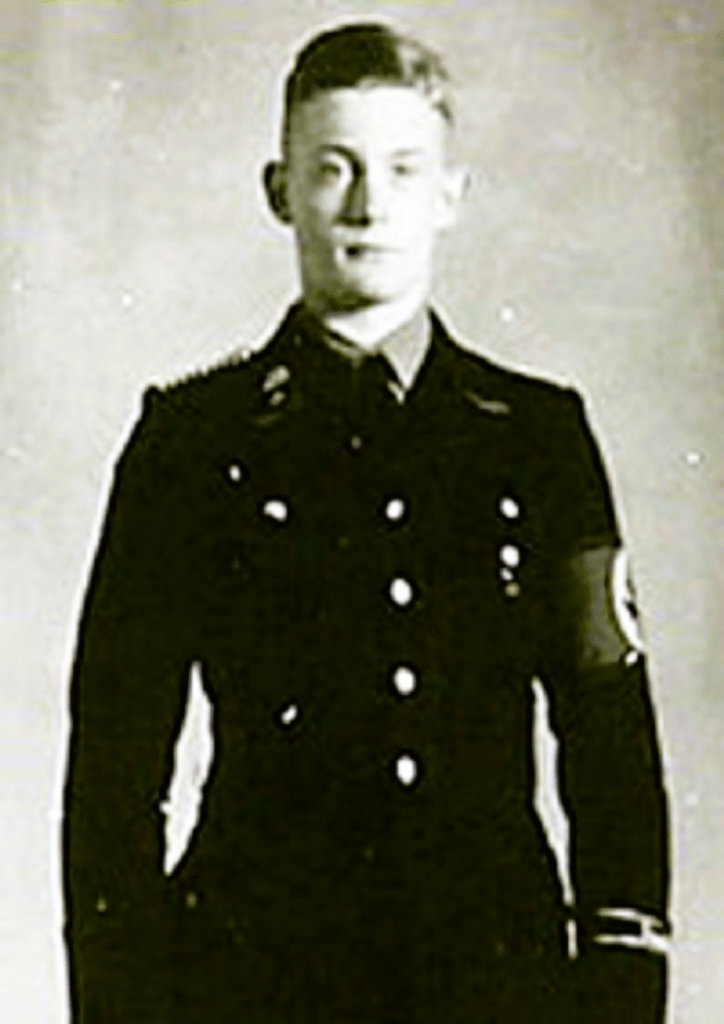
From the statement of Hans Stark, registrar of new arrivals, Auschwitz
“At another, later gassing—also in autumn 1941—Grabner* ordered me to pour Zyklon B into the opening because only one medical orderly had shown up. During a gassing, Zyklon B had to be poured through both openings of the gas chamber room at the same time. This gassing was also a transport of 200-250 Jews, once again men, women, and children. As the Zyklon B _ as already mentioned _ was in granular form, it trickled down over the people as it was being poured in. They then started to cry out terribly, for they now knew what was happening to them. I did not look through the opening because it had to be closed as soon as the Zyklon B had been poured in. After a few minutes, there was silence. After some time had passed, it may have been ten to fifteen minutes; the gas chamber was opened. The dead lay higgledy-piggedly all over the place. It was a dreadful sight.”
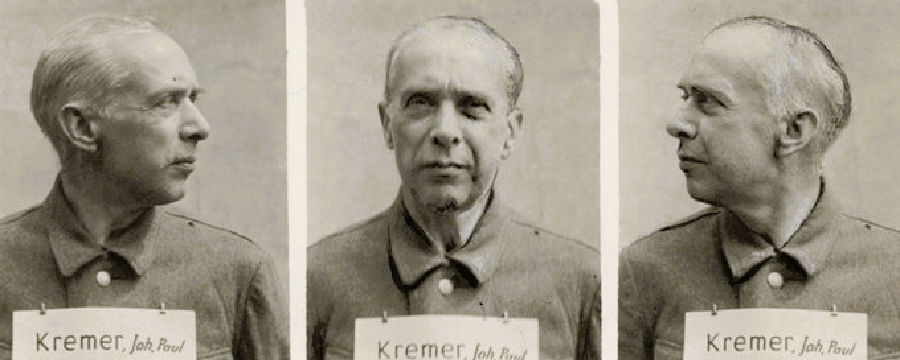
SS-Doctor Kremer at a hearing on 18 July 1947
“I remember I once took part in the gassing of one of these groups of women [from the women’s camp in Auschwitz]. I cannot say how big the group was. When I got close to the bunker, I saw them sitting on the ground. They were still clothed. As they were wearing worn-out camp clothing, they were not left in the undressing hut but made to undress in the open air. I concluded from the behavior of these women that they had no doubt what fate awaited them as they begged and sobbed to the SS men to spare them their lives. However, they were herded into the gas chambers and gassed. As an anatomist, I have seen a lot of terrible things: I had had a lot of experience with dead bodies, and yet what I saw that day was like nothing I had ever seen before. Still completely shocked by what I had seen, I wrote in my diary on 5 September 1942: “The most dreadful of horrors. Hauptscharfuehrer Thilo was right when he said to me today that this is the ‘anus mundi’, the anal orifice of the world”. I used this image because I could not imagine anything more disgusting and horrific.”
Liberators
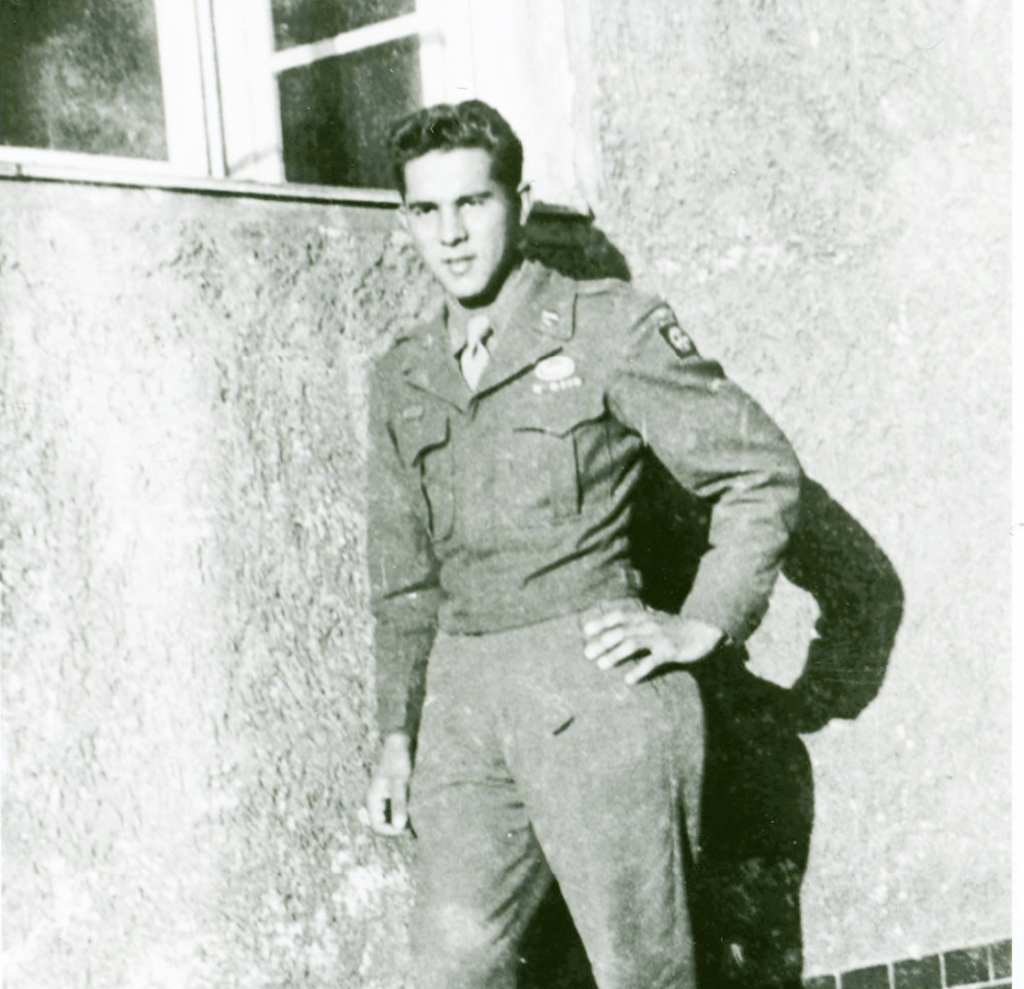
Paratrooper, Private Jesse Oxendine. 82nd Airborne Division
In early May 1945, the 82nd Airborne Division took over the German city of Ludwigslust and liberated the nearby Wöbbelin concentration camp. Jesse Oxendine entered the camp barracks. It is his recollection.
“On the floor, they had some straw, and a few of them had blankets, which was a prized possession. But I walked inside the building, and of course, they were all dead in there. I saw this one man leaning against the wall, just staring straight ahead. I was going to try to encourage him to go outside, you know, there’s so much excitement out there of those that could walk. And here, these people were still inside, as they were unable to move.
I walked over and kind of tapped him on the shoulder. And, of course, he fell over. He had died with his eyes open. But, I had made up my mind then after seeing all these, so many people lying around, I would never get excited if I ever saw a dead person again, you know.”
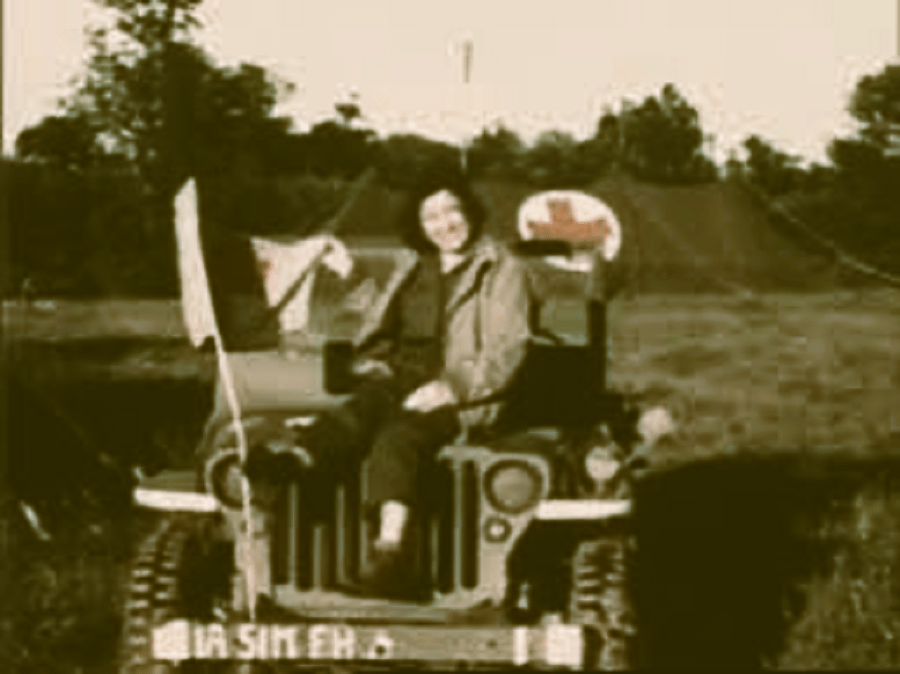
US Army Nurse Lieutenant Beatrice Wachter51st Field Hospital
After arriving at the Nordhausen concentration camp shortly after its liberation, Beatrice Wachter wrote to her husband and described the scene she encountered. Her local newspaper reprinted her letter.
This is an excerpt of her letter:
“I have seen the most horrible sights that I hope I will never see again as long as I live… We are taking care of men from a German concentration camp—human wreckage, living skeletons, diseased, infested with lice and maggots, skin and bones… [13-, 14-, and 15-year-old boys who] looked 60 and 70 years old, with hollowed eyes, sunken cheeks, sores all over—it just isn’t human. [Bodies were all over.] Headless, no arms, burnt to a crisp—little children, some babies, a few women, but mostly men. I’m working in a ward with 60 of these men and the stories they tell!
They were allowed three potatoes and a cup of soup each day; if too weak to work they weren’t fed at all. There were 30 to 50 of them who died each day…. They were tied to stakes and beaten—I saw the stakes.
They were machine-gunned until their bodies were scattered all over the field in small pieces. We saw hands and legs, parts of brains, lying all over. It was horrible.
I see those rows of bodies, some naked, some with a few clothes on, in front of me now. God, how can such conditions exist?”
Survivors
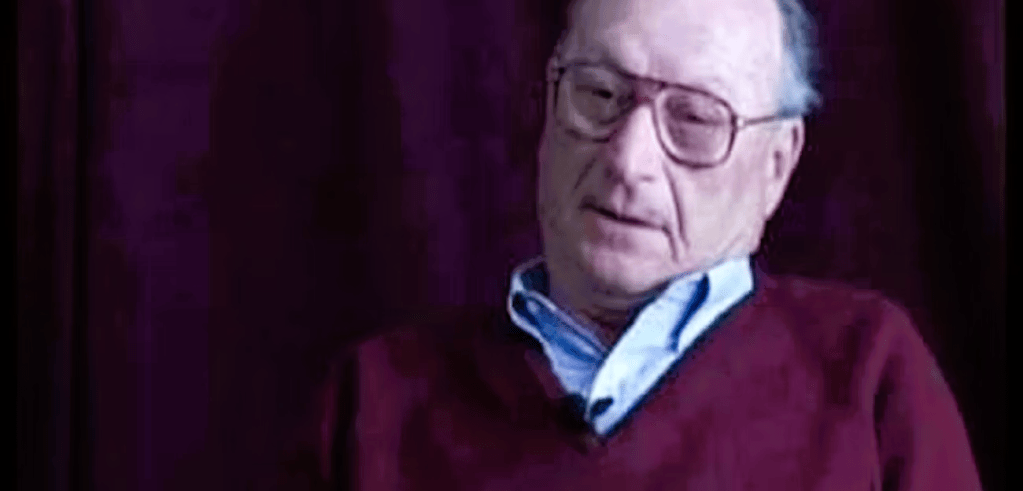
Jack Fogel Born 27 December 1924, Turek, Poland
“Shortly after the war broke out, my family was forced into a ghetto. Living conditions were very difficult. Our dwelling had only two rooms. We had to share it with another family. One day, as I stood on the street, a truck of German soldiers stopped beside me. I was put on the truck with twenty others. Eventually, we arrived at a camp surrounded by barbed wire. I had to share a bunk with ten others -all much older than me. I was fifteen, and I had never spent a night away from my family. It was the most horrible night I experienced. I cried all night. I never saw my family again. Later in the war, I was sent to Auschwitz. There, I was selected to live. My head was shaved, and I was given a uniform. A number was stitched on my uniform and tattooed on my arm. From that day, my name didn’t exist. Some attempted to escape. I don’t know of any who succeeded. Those who tried to escape were hanged on the gallows. We were all made to watch them slowly die.”
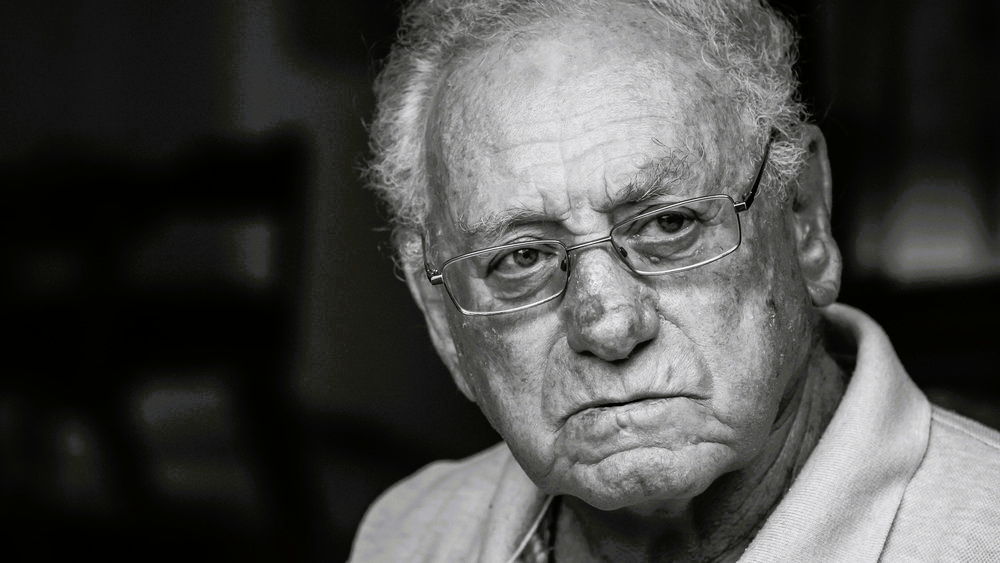
Moshe Orgad Born 11 August 1933, Belgrade, Serbia
“In April 1941, the Germans bombed Belgrade. Our home was destroyed, and Mother decided we must run away. I remember Grandfather saying to her, “Why run away?” “The Germans have Beethoven, Goethe, Brahms…” “They can’t be bad people.” “Why run away?” But Mother knew. She understood. I went to live with Serbians whose daughters had worked for our family. One of the sons of the family was killed. It was then that Sava, the old man of the family, decided we would join the Partisans. Sava became a father to me. He was old, but he was very strong. The Partisans walked 400 kilometers through snow from Serbia to Bosnia. Sava carried me all the way on his back, wrapped in a bear skin. The Partisans would ambush the Germans wherever they went. In all of Europe, only the Partisan’s area remained free. We lived in the forests and moved frequently. I remember once saying to Sava, “Why are those people sleeping in the snow.” “Milani,” he said, “they are not sleeping…” ‘they are dead.”
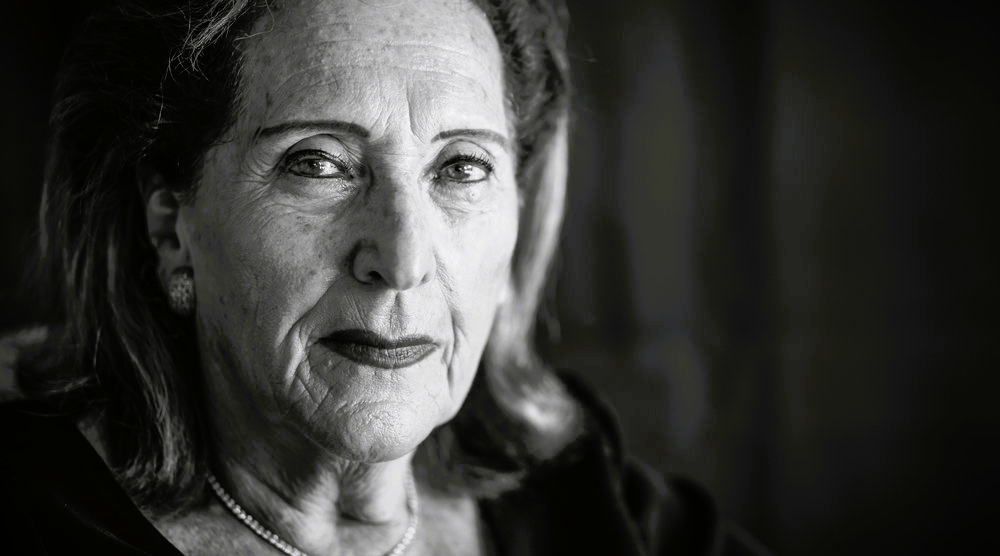
Vera Krukziener Born 1938, Budapest, Hungary
“Early in the war, Father was taken to a work camp. Many of the men who went out to work each day did not return. Those with a heart condition were instead put to work in the kitchen. So that he could stay back, Father took aspirin to increase his heart rate. Mother and I were packed into cattle trains and taken to a large brick factory. The Gestapo was there. “We are going to get out of here,” Mother said. “If they kill us, so what? If we stay, we are no better off.” Before she was married my mother had owned the biggest beauty salon in Budapest. She could change her appearance. She was blonde and didn’t look Jewish. Mother took my hand, and we started walking slowly. We walked past the Gestapo guard and escaped the deportation area. I don’t think any of the others survived. Later, Mother and I were able to hide in a nunnery. It was a wonderful time. The nuns were well prepared with hiding places. One day, Father arrived. He had jumped from a train heading to Auschwitz. He insisted that we leave that night. Just hours later, the Germans bombed the nunnery. All the nuns, priests, children, and mothers had been killed. We learned that there was a Swede in Pest sheltering Jews. It was Raoul Wallenberg, a Swedish diplomat. He protected us till the Russians entered Budapest.”
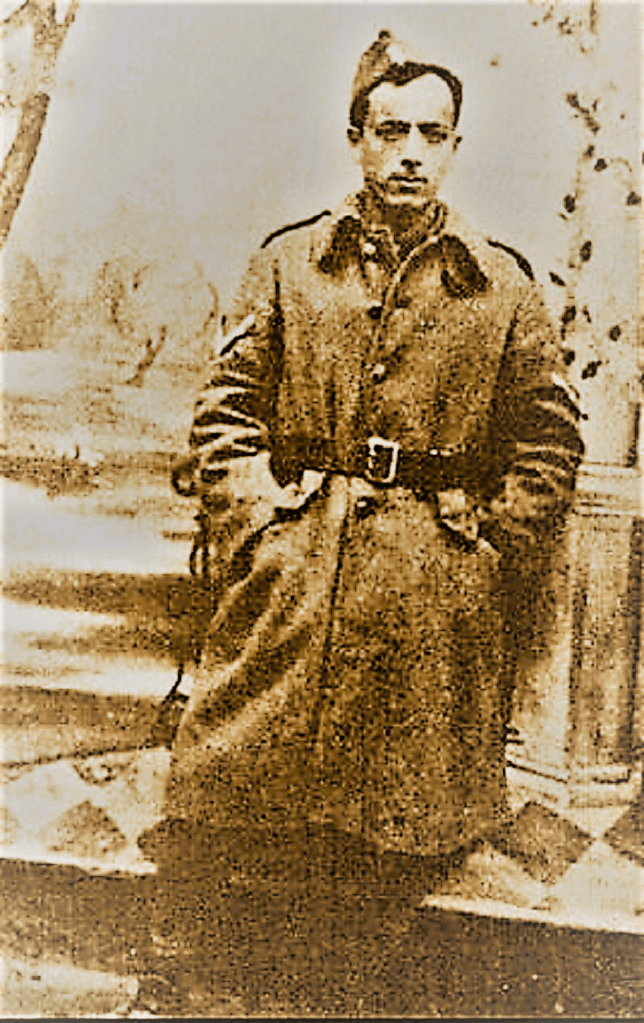
Marcel Nadjari, Born 1917
Marcel Nadjari (or Nadjary, Nadjar, Marcel Nadjari (or Nadjary, Nadjar, (January 1, 1917 – July 31, 1971) was a Jewish-Greek survivor of Auschwitz. He was a member of the Sonderkommando in Birkenau from May 1944 to November 1944. He is one of three members of the Sonderkommando that wrote his memoir.
“If you read about the things we did, you’ll say, ‘How could anyone do that, burn their fellow Jews?’”
“Many times, I thought of coming in with them to the gas chambers,”
“Our work was to receive the prisoners first; most of them did not know the reason, the people I saw when their destiny was sealed, I told the truth, and after they were all naked, they went further into the death chamber, where the Germans had laid pipes on the ceiling to make them think they were preparing the bath, with whips in their hands, the Germans forced them to move closer and closer together so that as many as possible could fit in.”
“After half an hour, we opened the doors of the gas chamber, and our work began. We carried the corpses of these innocent women and children to the elevator, which brought them into the room with the ovens, and they put them in there the furnaces, where they were burnt without the use of fuel because of the fat they have.”
“I wanted to live to avenge the death of Papa and Mama and that of my beloved little sister, Nelli.”
Sources
https://holocaustfoundation.com/transcripts
https://www.archives.gov/research/holocaust/concentration-camps
https://aboutholocaust.org/en/testimonies/jack-fogel-born-turek-poland-1924-and-survived-auschwitz
https://aboutholocaust.org/en/testimonies/jack-fogel-born-turek-poland-1924-and-survived-auschwitz
https://en.wikipedia.org/wiki/Marcel_Nadjari
Donation
Your readership is what makes my site a success, and I am truly passionate about providing you with valuable content. I have been doing this at no cost and will continue to do so. Your voluntary donation of $2 or more, if you are able, would be a significant contribution to the continuation of my work. However, I fully understand if you’re not in a position to do so. Your support, in any form, is greatly appreciated. Thank you. To donate, click on the credit/debit card icon of the card you will use. If you want to donate more than $2, just add a higher number in the box left from the PayPal link. Your generosity is greatly appreciated. Many thanks.
$2.00
 History of Sorts
Leave a comment