The story of C&A during the Nazi regime is a microcosm of the broader interaction between businesses and totalitarian states. Founded in 1841 by Clemens and August Brenninkmeijer in the Netherlands, C&A grew to become a major player in the European clothing retail industry by the early 20th century. The rise of the Nazi regime in Germany brought both opportunities and ethical challenges for businesses, and C&A’s experience exemplifies the complex interplay between economic survival and moral compromise during this period.
From the small German town of Mettingen, near the Dutch border, Clemens and August’s ancestors had long prospered as traders in northern Holland, having left the family farm in 1671 to sell their wares as travelling linen merchants. It was in Mettingen, in the 1830s, that Clemens and August—still little more than boys—were apprenticed to learn the trade.
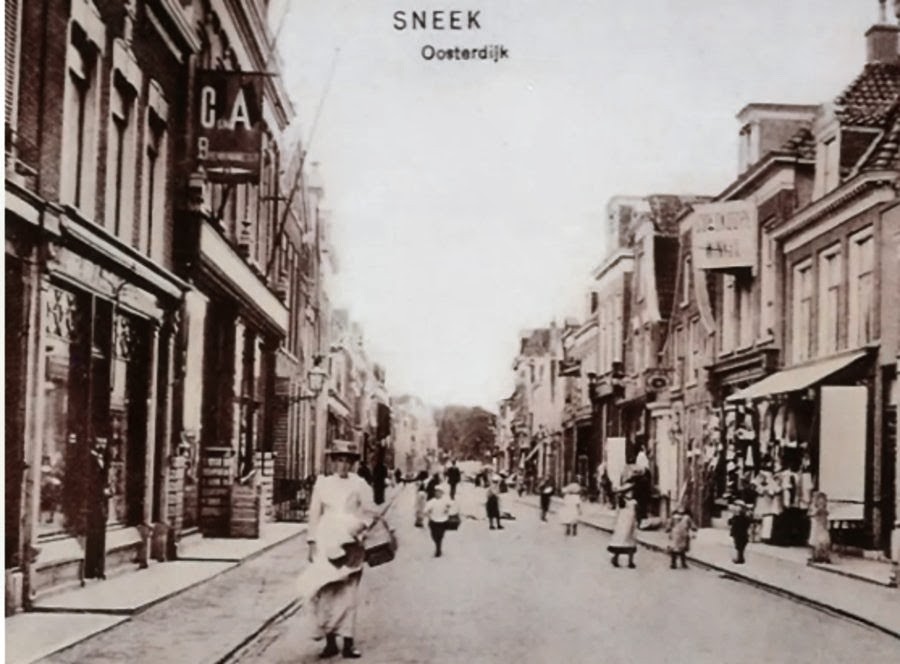
The company was founded in 1841 by brothers Clemens Brenninkmeijer and August Brenninkmeijer in Sneek. Originally, it operated as a textile trading business, selling fabrics rather than ready-made clothing. This changed toward the end of the 19th century when C&A began pioneering the sale of standardized, ready-to-wear garments—an innovation that helped shape modern retail fashion.
By the early 20th century, C&A had expanded across the Netherlands and into Germany, where it introduced fixed pricing—another retail innovation at a time when bargaining was still common. The company grew rapidly during the interwar period, becoming a household name for affordable, fashionable clothing.
The Nazi Era and Economic Expansion
During the Nazi regime (1933-1945), the economic policies and wartime needs of the state deeply affected all sectors of the economy. C&A, like many businesses operating in Germany at the time, found itself navigating a landscape marked by intense state control, racial laws, and the demands of a wartime economy. One of the most significant aspects of C&A’s wartime operations was its participation in the Aryanization process.
Aryanization: Opportunistic Expansion
Aryanization was a policy by which Jewish-owned businesses were forcibly sold to non-Jewish owners, often at prices well below their actual value. This was part of the broader Nazi strategy to remove Jews from the economic life of Germany. C&A, along with other businesses, benefited from this policy by acquiring several properties and businesses through these forced sales. While this expansion facilitated C&A’s growth during the period, it was at the cost of dispossessing Jewish owners and capitalizing on the systemic persecution of Jews.
At least half of the 16 properties acquired in the years 1937 and 1938 in Berlin came from Jewish-owned families. All were acquired at less than market price, as was a plot of Jewish-owned land in Bremen.
In Berlin the Bialystock family had a fashion shop next to C&A, Heinrich Chaim Bialystock had already left Berlin for Belgium due to increasing crimes committed against Jews. His wife Franya had stayed behind to finish up the shop and would follow her husband.
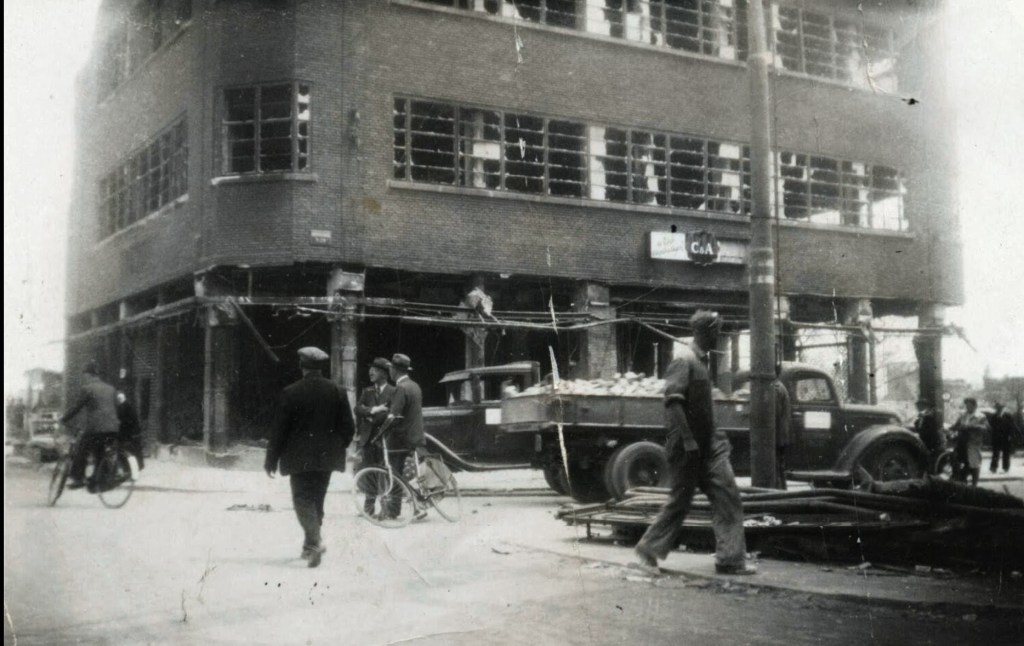
During the Kristallnacht, their shop got damaged and also some of the C&A shops. The Brenninkmeyers insisted and made Franya Bialystock pay for the damages to the C&A shop too. The Bialystocks were eventually arrested in Belgium and both died in Auschwitz on 21 September 1942.

Forced Labor: Ethical Compromises
Another dark chapter in C&A’s wartime history involves the use of forced labor. The Nazi regime coerced millions of people from occupied territories, prisoners of war, and concentration camp inmates into labor under brutal conditions. C&A, which needed to maintain its production levels during the war, utilized forced laborers, a practice that was widespread among German businesses at the time. These laborers endured harsh conditions, inadequate food, and severe mistreatment, highlighting the ethical compromises businesses made to sustain operations during the war.
Military Production: Serving the War Machine
In addition to benefiting from Aryanization and utilizing forced labor, C&A also contributed directly to the Nazi war effort. The company produced uniforms and other textiles for the German military, aligning its production with the needs of the war machine. This involvement underscores the extent to which C&A integrated into the Nazi economic structure, prioritizing business interests and survival over ethical considerations.
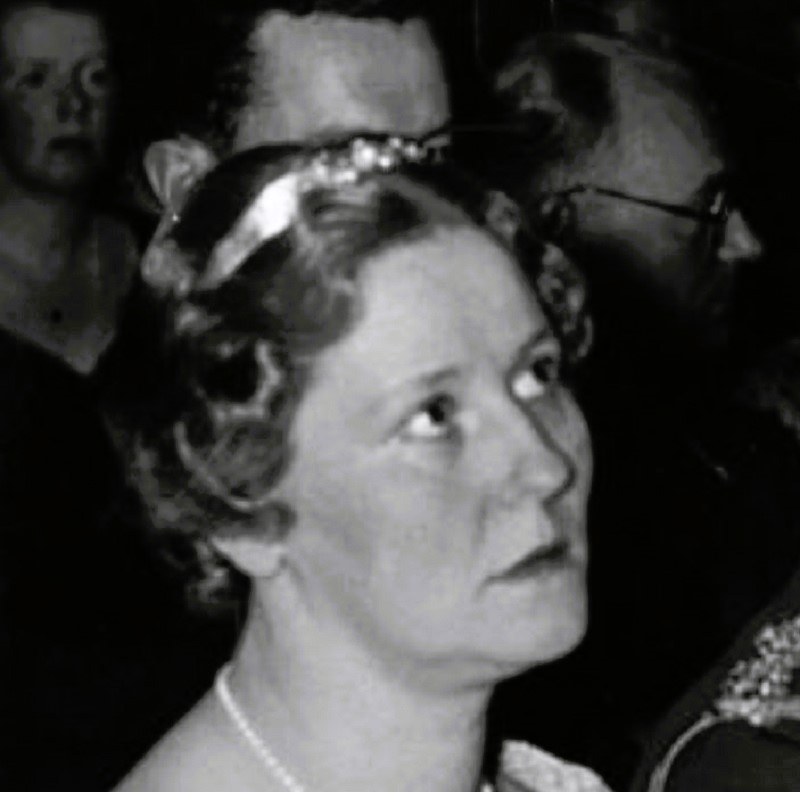
Hermann Göring’s wife Emmy would often buy clothes in C&A.
Post-War Consequences and Accountability
The end of World War II and the subsequent denazification process sought to purge Nazi influence from German society, including the business sector. C&A, like many companies, faced scrutiny for its wartime activities. The denazification tribunals examined the extent of businesses’ cooperation with the Nazi regime and their participation in war crimes, including the use of forced labor and Aryanization.
Restitution and Reparations
In the post-war period, efforts were made to address the injustices perpetrated during the Nazi era. This included financial restitution to the heirs of the original Jewish business owners who were dispossessed through Aryanization. For C&A, this meant confronting its past and acknowledging the benefits it reaped from the regime’s racist policies. These reparations were part of a broader movement to provide some measure of justice to the victims of Nazi crimes.
Modern Corporate Responsibility
In recent years, there has been a growing recognition of the importance of addressing historical injustices transparently. C&A, like many other companies with dark wartime histories, has taken steps to acknowledge its past. This includes funding historical research, publishing findings on its wartime activities, and contributing to educational initiatives about the Holocaust and Nazi crimes. By confronting its history, C&A aims to ensure that the lessons of the past inform its current corporate ethics and practices.
sources
https://www.timesofisrael.com/dutch-businessman-shocked-by-familys-nazi-era-history
https://www.economist.com/business/2016/10/29/how-to-confront-a-dark-corporate-past
Donation
Your readership is what makes my site a success, and I am truly passionate about providing you with valuable content. I have been doing this at no cost and will continue to do so. Your voluntary donation of $2 or more, if you are able, would be a significant contribution to the continuation of my work. However, I fully understand if you’re not in a position to do so. Your support, in any form, is greatly appreciated. Thank you. To donate, click on the credit/debit card icon of the card you will use. If you want to donate more than $2, just add a higher number in the box left from the PayPal link. Your generosity is greatly appreciated. Many thanks.
$2.00
 History of Sorts
Leave a comment