This metal train sign ‘Westerbork-Auschwitz, Auschwitz-Westerbork’ indicated a return trip that nobody would ever make.

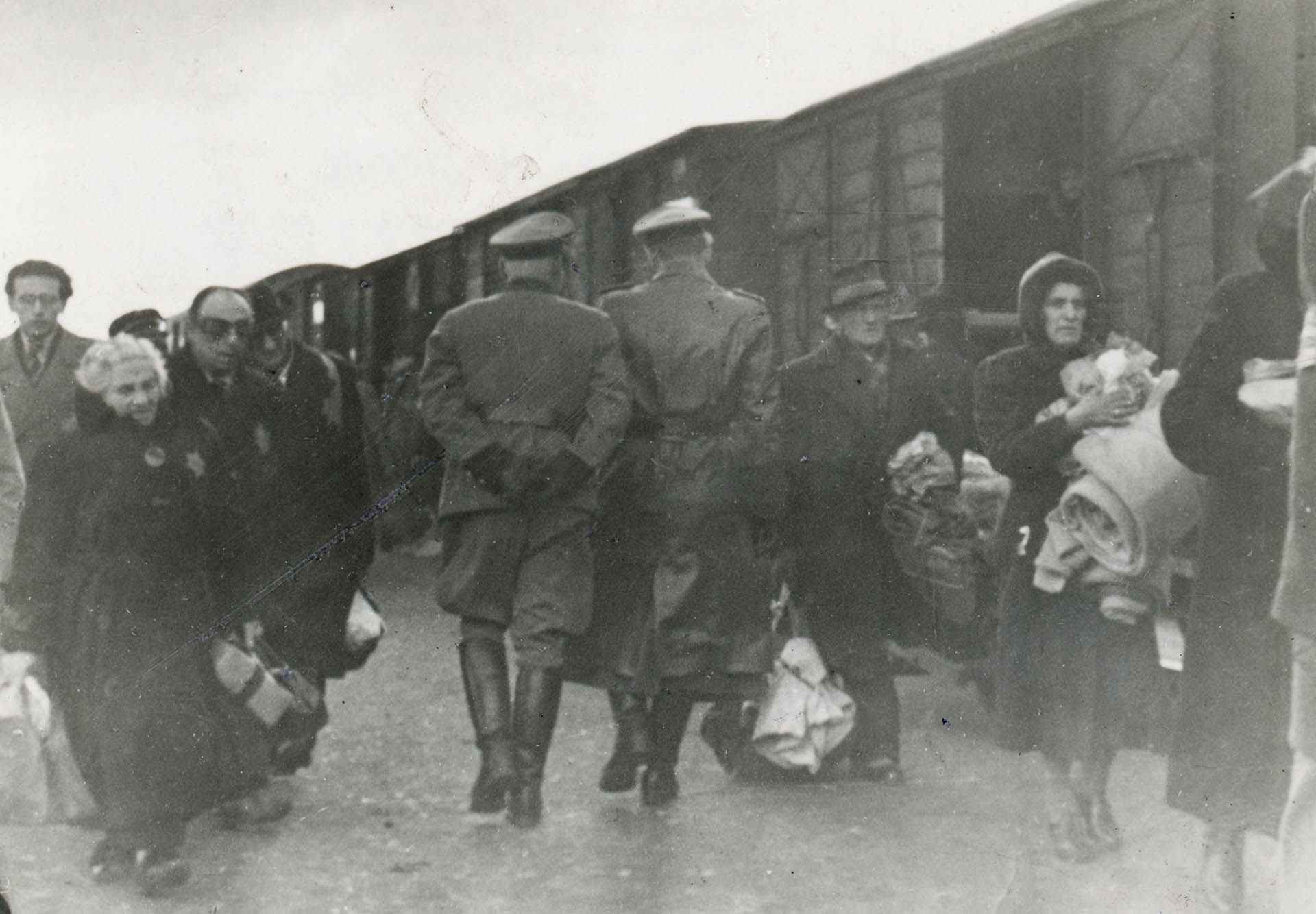
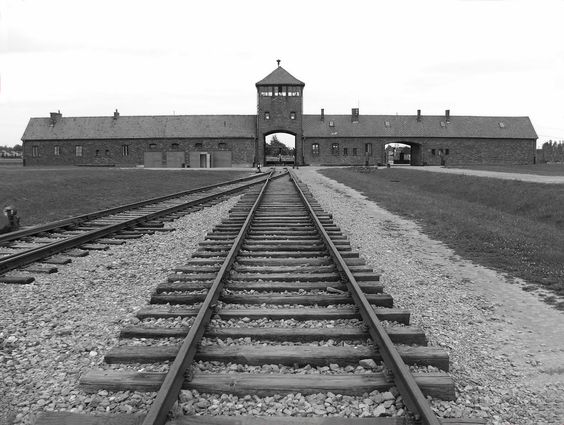
On 15 and 16 July 1942, the first two cargo trains packed with more than 2,000 Jews left the Westerbork Transit Camp headed for the Auschwitz extermination camp in Poland. Most of the people aboard these transports were killed the same day they arrived. A total of 65 trains left for Auschwitz alone.

The prisoners at Westerbork lived from transport to transport and between hope and fear. The evening before a departure was unbearable because the names of those who would be transported were announced then. The next day there was no escape. Sometimes as many as 70 people with all their bags were crammed into each filthy boxcar of the lengthy train. The doors were then bolted shut from the outside. ‘It is overwhelming for the men; they swallow their tears. The train screeches: the poisonous snake begins to inch forward,’ wrote the Dutch writer and photographer Philip Mechanicus in the diary he kept in Westerbork.

Of the 107,000 Jews and 245 Sinti and Roma who were deported from the Netherlands, for the most part via Westerbork, only a total of 5,000 people returned.
Sadly enough Westerbork was established and built by Dutch government as a refugee camp, in 1939, financed partly by Dutch Jews, to absorb fleeing Jews from Nazi Germany. The Jewish refugees were housed after they had tried to escape Nazi terror in their homeland.
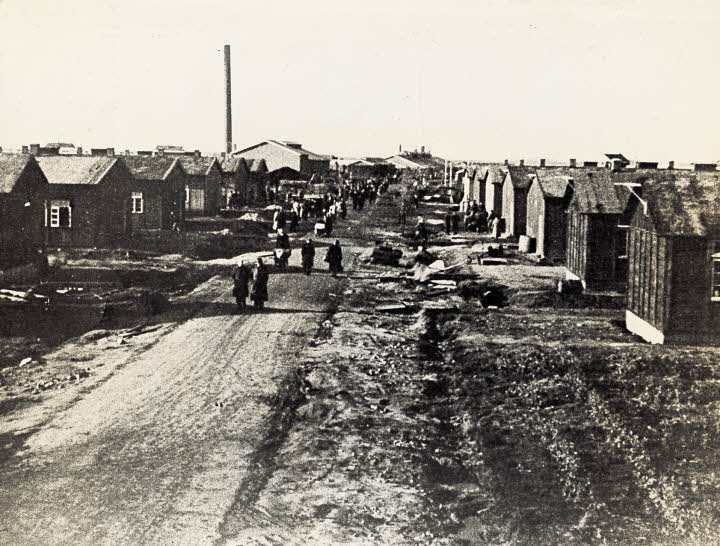
Following the German invasion of the Netherlands, the Nazis took over the camp and turned it into a deportation camp.
The general supervision of the camp was in the hands of the SS and early on they were also responsible for the security in the vicinity of the camp. Daily life inside the camp was overseen by different Jewish work groups, including the Ordedienst (Lit. Order Service). The members of this group, who wore these green coveralls, were responsible for fire safety and internal security.
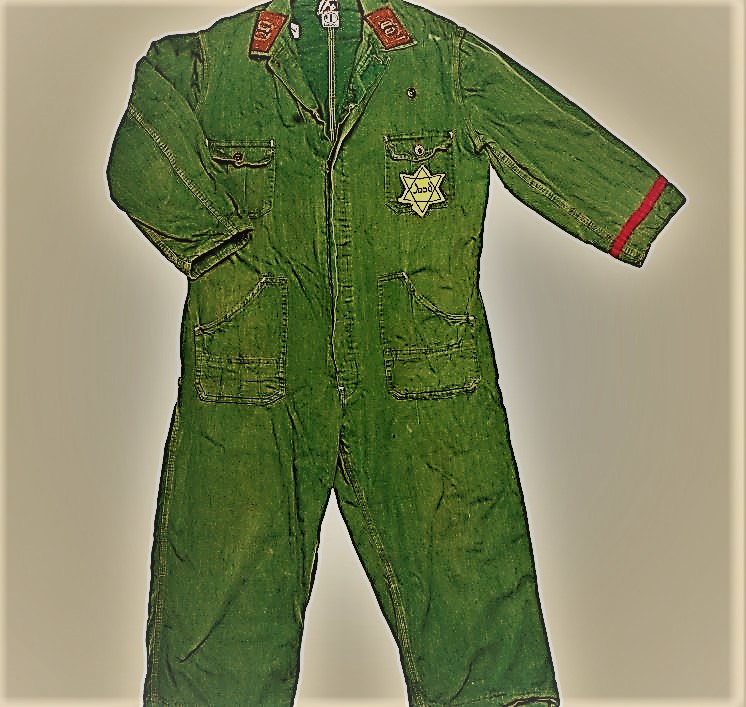
They supervised the labour gangs, both inside and outside the camp. They also guarded the people scheduled for transport to the concentration and extermination camps. At times the Jewish Order Service was also deployed for razzias (roundups) in Amsterdam, to retrieve the sick from their homes and for instance to empty the Jewish psychiatric hospital the Apeldoornsche Bosch in 1943.

Needless to say, members of the Orderdienst were not particularly popular among Westerbork’s prisoners and often referred to as the ‘Jewish-SS’. Eventually, most of the members of the Jewish Order Service were transported as well.

Donation
Your readership is what makes my site a success, and I am truly passionate about providing you with valuable content. I have been doing this at no cost and will continue to do so. Your voluntary donation of $2 or more, if you are able, would be a significant contribution to the continuation of my work. However, I fully understand if you’re not in a position to do so. Your support, in any form, is greatly appreciated. Thank you. To donate, click on the credit/debit card icon of the card you will use. If you want to donate more than $2, just add a higher number in the box left from the PayPal link. Your generosity is greatly appreciated. Many thanks.
$2.00

 History of Sorts
Leave a comment