
A mistake many people make is to think that Auschwitz was only 1 camp.Aside from Auschwitz ,Auschwitz Birkenau and Monowitz which were the 3 biggest camps, there were another 40+ camps.
One of these camps was Rajsko (Gärtnerei, which means Horticultural center or nursery). It was officially established on 12th June 1943. The camp was a 10 minutes walk from the main camp, an estimated 300 women worked and lived there.
A number of female prisoners were selected for their experience and qualifications in agronomy. They were designated “Kommando Pflanzenzucht” meaning Commando growing plants.
These women were very important and vital to the project, they were sent from Ravensbrück concentration camp, just north of Berlin.
The flowers produced in Rajsko were distributed all over Germany. And became very popular and achieved a reputation for the quality and longevity.
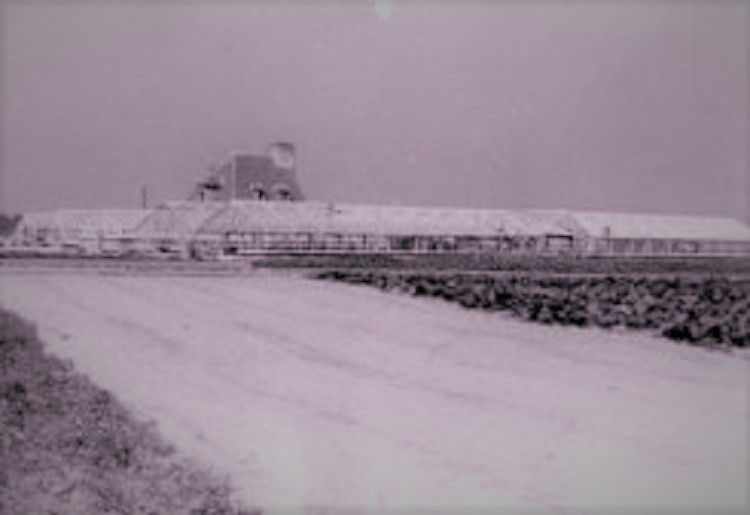
The women were forced to work in the nurseries tending flowers, plants and vegetables for the Nazis and also help conduct agricultural experiments into rubber.
There were 2 ‘kommandos’ The first Kommando grew vegetables in hothouses for the SS. They also nursed flower beds, and worked in the nearby fields. The gardening Kommando also ran something which was basically a gardening center or a co-op where SS men, their families, and civilians could purchase vegetables, fruit, and flowers.
The women in the second Kommando worked on the development of the Kazakh dandelion, which was known for its production of high quality rubber.

The Germans had a chronic shortage in rubber.
Due to the importance to maintain cleanliness and precision in the research work, the conditions in the sub-camp were far superior to those in Birkenau. The women lived in reasonable comfort with heated barracks, slept in beds linen.They also had warm water warm water and wore clean clothes, and ate better. But they were closely supervised and, would be punished for possessing prohibited items by flogging or sent to work in penal camps.
Although strict provisions were in place, the camp was not immune from a typhus outbreak which was eventually controlled.
SS-Obersturmbannführer Joachim Caesar was the commander of Rajskosub-camp. Many prisoners recalled him to be a human man. He was also the only SS-officer to refuse to partake in selections in Birkenau, believing it to be unethical. Surprisingly no action was taken against him for his refusal, which indicated that it was possible to turn down such orders without reprisal, meaning SS officers had a choice.
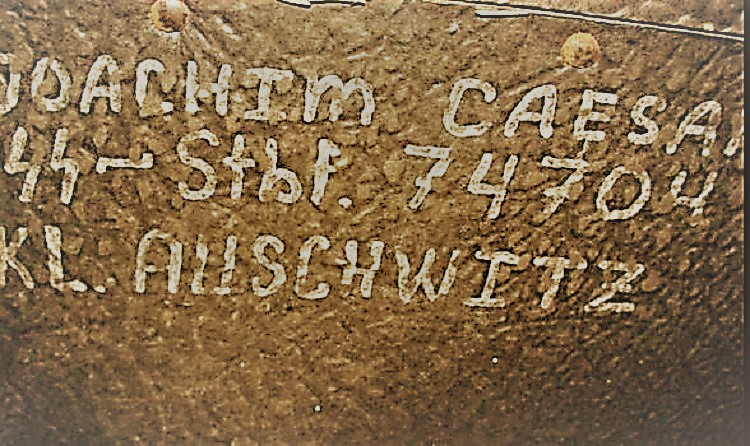
Rajsko was liquidated on January 18, 1945, and the prisoners were forced to join the Death March in the direction of Wodzisław Śląski, and from there by train to the Ravensbrück camp.
Several women survived.

Donation
Your readership is what makes my site a success, and I am truly passionate about providing you with valuable content. I have been doing this at no cost and will continue to do so. Your voluntary donation of $2 or more, if you are able, would be a significant contribution to the continuation of my work. However, I fully understand if you’re not in a position to do so. Your support, in any form, is greatly appreciated. Thank you. To donate, click on the credit/debit card icon of the card you will use. If you want to donate more than $2, just add a higher number in the box left from the PayPal link. Your generosity is greatly appreciated. Many thanks.
$2.00
Sources
USHMM
Auschwitz.org
Auschwitz Study group

 History of Sorts
Leave a comment