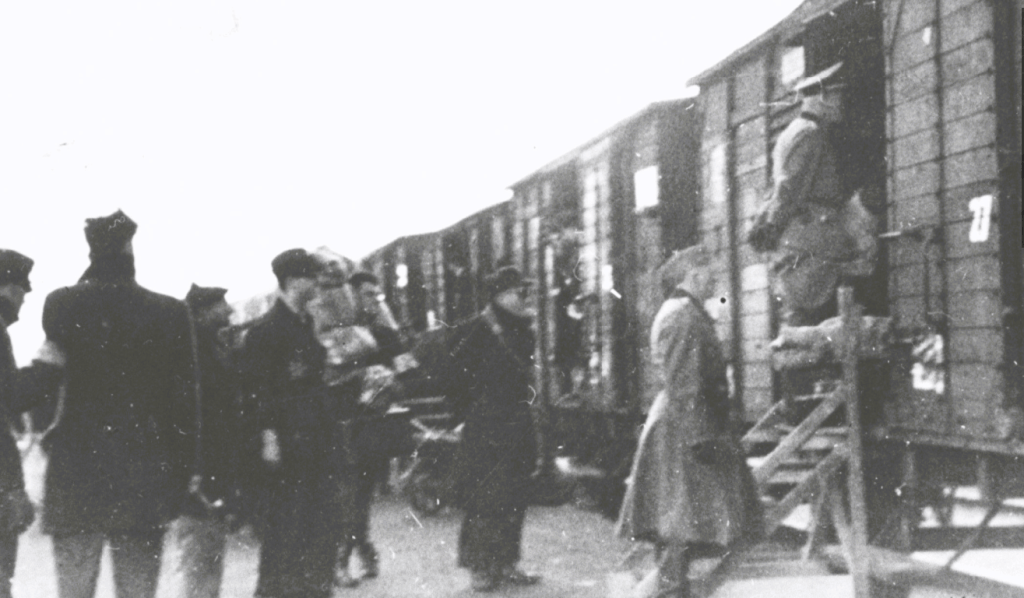
The involvement of the Dutch railways (Nederlandse Spoorwegen, or NS) in the Holocaust is a deeply tragic chapter in Dutch history. During World War II, the NS played a significant role in the deportation of Jews and other persecuted groups to Nazi concentration and extermination camps.
Context and Occupation
The Netherlands was occupied by Nazi Germany in May 1940. The occupation led to the gradual implementation of anti-Jewish measures, which culminated in the systematic deportation of Jews to concentration camps. The Nazis relied heavily on local infrastructure, including the Dutch railway system, to carry out these deportations.
The Role of Nederlandse Spoorwegen (NS)
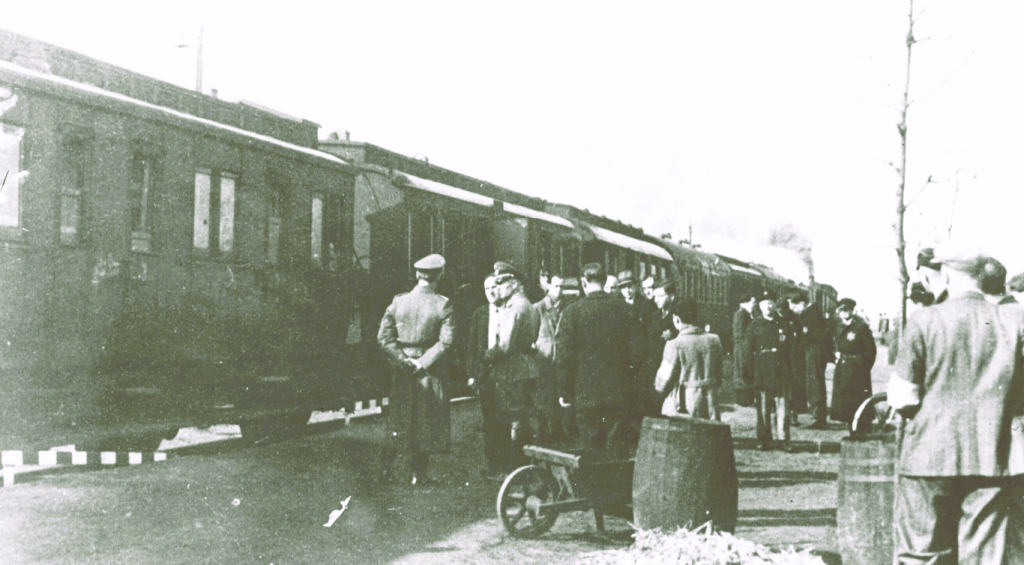
The NS was commandeered by the Nazi authorities and became an essential component in their logistics network. The trains operated by NS were used to transport Jews and others from various parts of the Netherlands to transit camps, primarily Westerbork and Vught. From these camps, people were further deported to extermination camps like Auschwitz, Sobibor, and others in Eastern Europe.
The Dutch railway staff, although under Nazi control, continued to operate the trains that facilitated these deportations. Between 1942 and 1944, approximately 107,000 Dutch Jews, along with thousands of Roma, Sinti, and political prisoners, were transported in these trains to their deaths. Only about 5,000 of those deported survived.
Post-War Reflections and Accountability
After the war, the role of NS in the Holocaust became a subject of debate and reflection. Initially, the focus was more on rebuilding the country and less on the moral implications of the railways’ involvement. Over time, however, as the memory of the Holocaust became more central in Dutch society, there was increasing scrutiny of the role played by the NS.
Apology and Compensation
In 2005, the NS formally apologized for its role in the Holocaust, acknowledging the suffering that its actions had facilitated. In 2018, following pressure from survivors and their families, NS established a compensation scheme for the relatives of those transported to the camps. This move was seen as a significant, though symbolic, gesture in addressing the historical wrongs.
Legacy and Memorialization
The involvement of the Dutch railways in the Holocaust is now a poignant reminder of how ordinary institutions can become complicit in atrocities. Today, this chapter in history is remembered as a sobering example of the devastating consequences of collaboration and the importance of vigilance against discrimination and state-sponsored violence. The Dutch railway stations and museums often feature memorials and exhibitions to honor the victims and educate future generations about the atrocities committed during the Holocaust.
Whispers of Steel
On tracks of sorrow, iron rails sing,
A mournful dirge for lives in spring.
From Westerbork, where hope grew thin,
The trains to Auschwitz now begin.
Cold breath of dawn, the wheels they creak,
Silent the mouths, but hearts do speak.
A mother clings, a child in tow,
To futures lost they’ll never know.
The cattle cars, they shudder slow,
With every mile, more grief to sow.
Names become numbers, dreams erased,
In darkness deep, all fates embraced.
The stars above, indifferent, cold,
Witness to tales left untold.
The world sleeps on as shadows ride,
And in those cars, a world has died.
Each lurch, each groan, a tear in time,
A final prayer, a whispered rhyme.
Yet in the ashes, hope remains,
A spark that neither hate nor chains
Could dim within those stifled cries,
In memory, their spirit flies.
For though that train reached Auschwitz gates,
Their song endures, defying fate.
A journey marked by loss and pain,
But in the hearts of those who reign
Over love, and truth, and light,
Their legacy shines ever bright.
Sources
https://www.oorlogsbronnen.nl/thema/Nederlandsche%20Spoorwegen
https://www.oorlogsbronnen.nl/thema/Nederlandsche%20Spoorwegen
https://www.theguardian.com/world/2019/jun/27/dutch-railway-to-pay-out-50m-over-role-in-holocaust
https://www.niod.nl/en/news/research-dutch-railways-during-second-world-war-0
Donation
Your readership is what makes my site a success, and I am truly passionate about providing you with valuable content. I have been doing this at no cost and will continue to do so. Your voluntary donation of $2 or more, if you are able, would be a significant contribution to the continuation of my work. However, I fully understand if you’re not in a position to do so. Your support, in any form, is greatly appreciated. Thank you. To donate, click on the credit/debit card icon of the card you will use. If you want to donate more than $2, just add a higher number in the box left from the PayPal link. Your generosity is greatly appreciated. Many thanks.
$2.00
 History of Sorts
Leave a comment