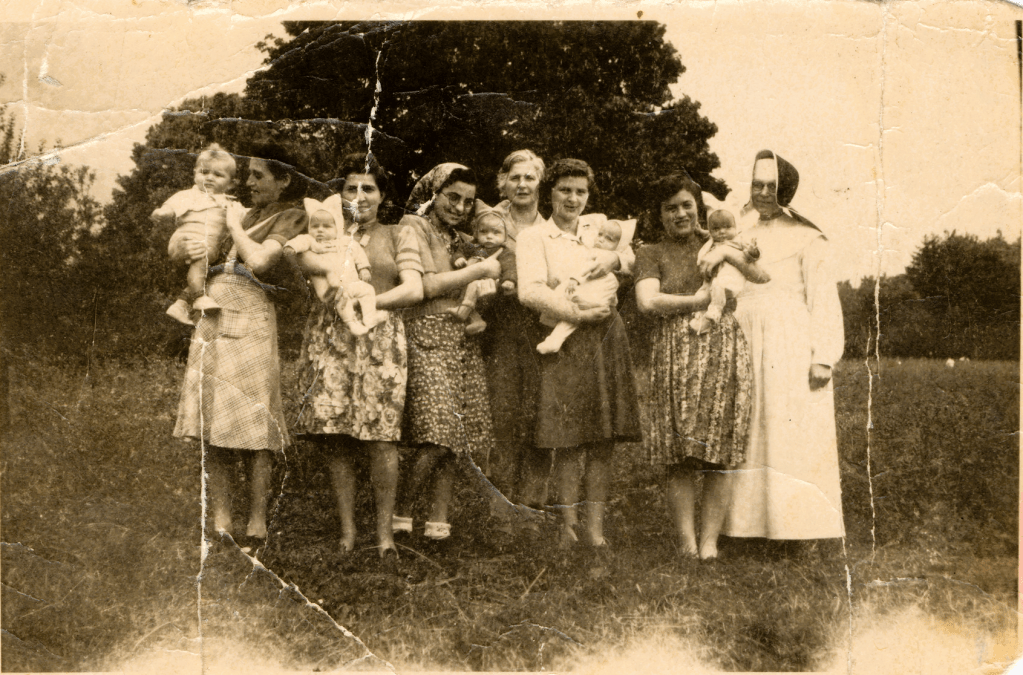
The Holocaust remains the most devastating and horrifying chapter in human history, marked by its relentless dehumanization and systematic annihilation of millions of people. Among the lesser-known stories is that of the Schwanger Kommando, or the “Pregnant Command,” which existed in the Kaufering subcamps of Dachau, one of the many Nazi concentration camps.
Background: The Kaufering Subcamps of Dachau
The Kaufering camps were a network of eleven subcamps established by the Nazis near Landsberg am Lech, in Bavaria, Germany, between 1944 and 1945. These camps primarily housed Jewish prisoners forced into slave labor for the construction of underground bunkers designed to protect German aircraft production facilities from Allied bombing. Conditions in Kaufering were notoriously brutal, with rampant starvation, disease, and inhumane treatment.
Kaufering was unique among the Dachau subcamps for its specific focus on Jewish prisoners, many of whom were transported from ghettos and other camps in Eastern Europe. Prisoners were subject to grueling labor, exposure to harsh weather, and constant abuse by SS guards. Amid this unrelenting brutality, the Schwanger Kommando emerged, underscoring the Nazis’ grotesque policies toward pregnant women and mothers.
Formation and Conditions of the Schwanger Kommando
The Schwanger Kommando at Kaufering was not a formal, organized unit but rather a tragic consequence of the Nazis’ inability—or refusal—to reconcile their extermination policies with the physiological realities of pregnancy. Pregnant Jewish women were not initially singled out for specific labor or treatment upon arrival at the camp. However, their pregnancies became a liability in the eyes of the Nazi administrators, as these women were seen as “unfit” for the backbreaking work demanded of other prisoners.
Many women in the Schwanger Kommando were deported to Kaufering while already pregnant or became pregnant due to sexual violence within the camp system. Once identified, these women were isolated and subjected to even harsher conditions than other prisoners. They were given minimal food and no medical care and were often forced to carry out strenuous labor until they physically collapsed.
The Fate of the Women and Their Infants
The Nazi ideology of racial purity deemed Jewish pregnancies as abominations to be eradicated. Consequently, pregnant women in Kaufering were often murdered outright, sent to extermination camps like Auschwitz-Birkenau, or left to die from starvation and overwork. Newborns were typically killed immediately upon birth, reflecting the regime’s systematic effort to annihilate future generations of Jews.
Testimonies from survivors and historical records suggest that SS guards took particular pleasure in tormenting pregnant women, often using their vulnerable state as an excuse for additional abuse. Instances of forced abortions and medical experimentation were not uncommon, further compounding the physical and psychological trauma inflicted on these women.
The Role of Resistance and Survival
Despite the unimaginable suffering, some women in the Schwanger Kommando displayed acts of resistance and resilience. In rare cases, prisoners risked their lives to hide pregnant women or newborns, smuggling scraps of food or offering solace in an environment where even small acts of kindness were met with severe punishment. These moments of solidarity stand as a testament to the unyielding spirit of those who suffered under the Nazis’ genocidal regime.
Malnourished, exhausted, and critically underweight, seven women with visibly growing abdomens chose not to hide their pregnancies—a remarkable act of defiance and hope. To their surprise, they were not immediately murdered. Instead, they were housed in a separate barrack and given food by a Jewish Kapo named David Witz, who oversaw the kitchen. Witz enlisted the help of Dr. Erno Vadasz, a fellow prisoner from the men’s camp, to assist with the deliveries. Both the mothers and Dr. Vadasz displayed extraordinary courage in the face of unimaginable adversity.
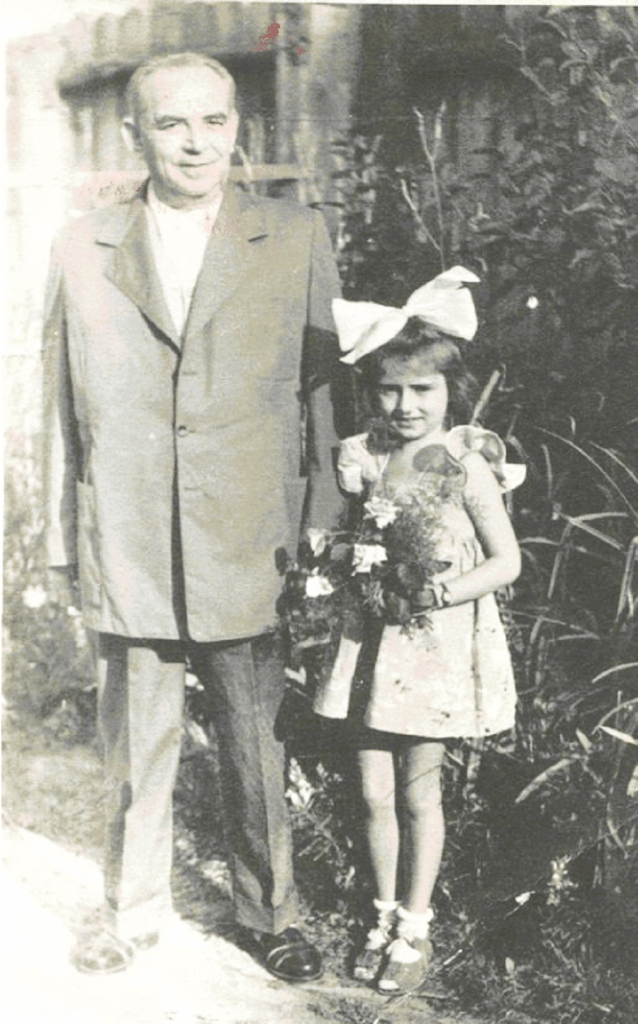
Dr. Vadasz himself was so frail from hunger and exhaustion that he needed support to stand while working. Despite his suffering, he gathered the resources necessary for the deliveries: soap, a knife, hot water, and towels. Thanks to the Kapo’s efforts, the mothers were nourished in the weeks leading up to their labors, giving them a chance to survive childbirth. Over time, Vadasz successfully delivered all seven babies, even managing two particularly complicated births—a testament to his skill and determination.
Tragically, one of the mothers developed pneumonia after giving birth. For two weeks, as she lay semi-conscious, Vadasz remained by her side, caring for both her and her infant. He shared his meager rations to sustain them until the mother regained her strength. His heroism extended beyond the barracks; he also saved a young girl destined for the crematorium, recognizing her as a fellow resident from his hometown.
In a poignant twist of fate, the last baby delivered by Dr. Vadasz was born on April 29, 1945—just one day after the demolition of the camp’s crematorium. This miraculous birth marked a moment of fragile hope amidst the horrors of the Holocaust.
Historical Significance and Legacy
The Schwanger Kommando is emblematic of the intersection of Nazi misogyny and antisemitism, highlighting the specific targeting of women as both bearers of life and symbols of cultural continuity. The experiences of these women are a poignant reminder of the extreme dehumanization that characterized the Holocaust. Their suffering underscores the necessity of examining the diverse experiences of Holocaust victims to understand the breadth of Nazi crimes fully.
In contemporary Holocaust scholarship, the Schwanger Kommando has begun to receive more attention, reflecting a broader trend toward acknowledging the gendered dimensions of genocide. These stories serve as critical reminders of the importance of documenting and remembering the diverse experiences of those who endured and perished under the Nazi regime.
The Schwanger Kommando in the Kaufering subcamps represents a particularly harrowing aspect of the Holocaust, illustrating the extreme vulnerability of pregnant women and their unique suffering under Nazi oppression. By studying and commemorating their experiences, we not only honor their memory but also gain deeper insight into the mechanisms of hate and dehumanization that must be countered in every era. Through remembrance, education, and vigilance, the world can strive to ensure that such atrocities are never repeated.
Sources
https://pmc.ncbi.nlm.nih.gov/articles/PMC6115479/
https://collections.ushmm.org/search/catalog/pa1165934
https://4enoch.org/wiki5/index.php/Category:Kaufering_Babies_(subject)
Donations
Your readership is what makes my site a success, and I am truly passionate about providing you with valuable content. I have been doing this at no cost and will continue to do so. Your voluntary donation of $2 or more, if you are able, would be a significant contribution to the continuation of my work. However, I fully understand if you’re not in a position to do so. Your support, in any form, is greatly appreciated. Thank you. To donate, click on the credit/debit card icon of the card you will use. If you want to donate more than $2, just add a higher number in the box left from the PayPal link. Your generosity is greatly appreciated. Many thanks.
$2.00

 History of Sorts
Leave a comment