Pervitin:Before the D-1X experiment
Before the D-1X experiment, a young soldier stationed in occupied Poland wrote a letter to his “dear parents and siblings” back home in Cologne, dated November 9, 1939. He shared the hardships of his situation:
“It’s tough out here, and I hope you’ll understand if I’m only able to write once every two to four days. Today, I’m writing mainly to ask for some Pervitin…
Love, Hein.”
Pervitin, a stimulant now commonly known as speed, was the German army’s—Wehrmacht’s—so-called “wonder drug.”
Months later, on May 20, 1940, the 22-year-old soldier wrote again:
“Perhaps you could get me some more Pervitin so that I can have a backup supply?”
In another letter, sent from Bromberg on July 19, 1940, he made the same request:
“If at all possible, please send me some more Pervitin.”
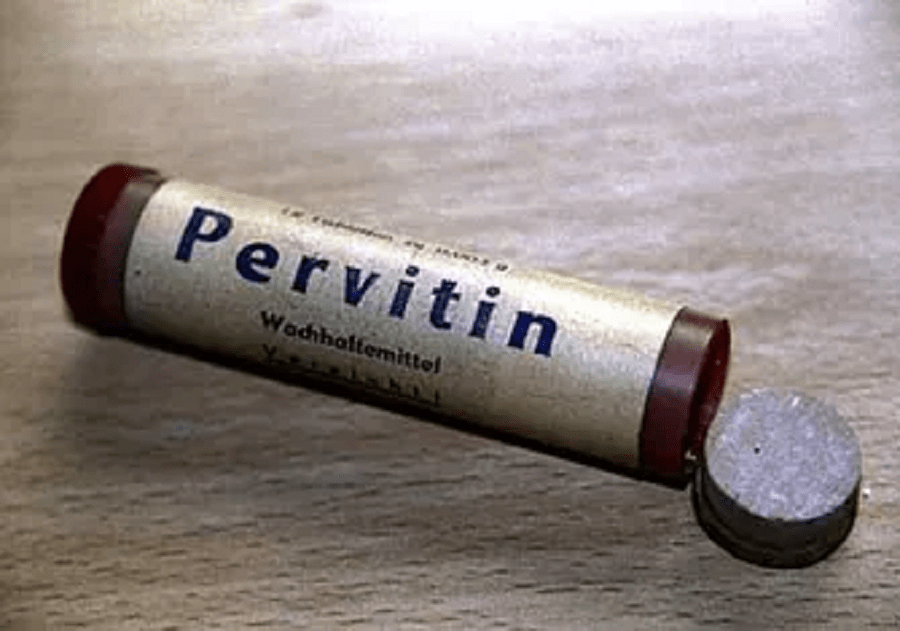
Many Wehrmacht soldiers were high on Pervitin when they went into battle, particularly during the invasions of Poland and France—a Blitzkrieg quite literally fueled by speed. In the first half of 1940 alone, the German military distributed millions of methamphetamine tablets to its troops. These stimulants were a key part of a strategy designed to enhance the endurance and efficiency of pilots, sailors, and infantry, pushing them toward what was perceived as superhuman performance.
The D-IX Experiment: The Nazis’ Secret Super Soldier Drug
Throughout history, military forces have sought ways to enhance soldiers’ endurance, stamina, and combat effectiveness. One of the most chilling attempts to create an enhanced fighter came during World War II with the Nazi regime’s top-secret drug experiment known as D-IX. This experimental substance was intended to turn ordinary soldiers into tireless war machines, capable of marching for miles and fighting with relentless energy. But the story of D-IX is not just about military ambition—it’s a haunting reminder of how science can be twisted for destructive purposes.
The Origins of D-IX
The D-IX experiment was conceived in 1944, when Nazi scientists, under orders from Heinrich Himmler, sought to develop a drug that would push the limits of human endurance. The goal was simple but ambitious: create a substance that would allow soldiers to fight harder, longer, and with less need for rest. At the center of this effort was a blend of powerful chemicals: methamphetamine (similar to modern-day crystal meth), cocaine, and a painkiller known as Eukodal (oxycodone).
While Nazi forces had already been using Pervitin—a methamphetamine-based stimulant—to keep troops alert and energized, D-IX took things to an extreme level. It was designed to provide an almost superhuman boost to physical performance, making soldiers impervious to fatigue, hunger, and even pain.
The Terrifying Trials
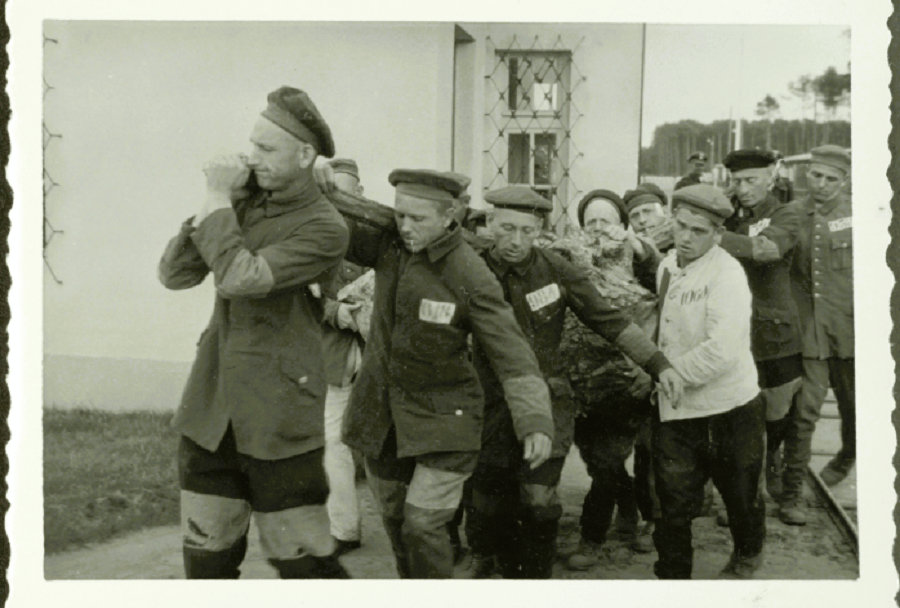
D-IX was tested on prisoners in the Sachsenhausen concentration camp, where inmates were forced to march for miles carrying heavy loads. Those under the influence of the drug reportedly walked for 55 miles without rest, showing no signs of exhaustion. While this appeared to be a breakthrough in combat endurance, the reality was far grimmer.
Subjects of the experiment suffered severe consequences—psychotic episodes, extreme physical deterioration, and, ultimately, death. The drug granted them inhuman endurance at a horrific cost, turning them into shambling husks rather than unstoppable warriors. As the war turned against Germany, the project was abandoned before D-IX could be mass-produced for military use.
The Legacy of D-IX
After the war, the Allies discovered documents related to the D-IX project, but its development remained largely a dark historical footnote. However, the use of performance-enhancing drugs in the military did not end with Nazi Germany. The Cold War saw various experiments involving stimulants, and even today, modern militaries continue to explore pharmacological ways to enhance soldiers’ resilience and alertness.
The D-IX experiment serves as a disturbing example of what happens when scientific advancements are pursued without ethical considerations. It was an attempt to strip soldiers of their humanity, reducing them to chemically-fueled war machines at the expense of their well-being. While the Nazi dream of creating a super soldier never came to fruition, the horrors of their experimentation leave behind an eerie lesson—one that history should never forget.
The pursuit of human enhancement in warfare continues, albeit with more ethical considerations than in Nazi Germany. While stimulants like caffeine and modafinil are used in modern military operations to enhance alertness, the ghost of D-IX lingers as a cautionary tale. Science holds the power to transform humanity, but without moral restraint, it can lead to some of the darkest chapters in history.
D-IX was a methamphetamine-based experimental performance enhancer developed by the Nazis in 1944 for military use. Each tablet contained a potent mix of 5 mg of oxycodone, 5 mg of cocaine, and 3 mg of methamphetamine.
Nazi doctors were highly impressed with the drug’s effects and intended to distribute it widely among German troops. However, the war ended before D-IX could enter mass production. Despite this, the drug saw limited use among a small number of Neger and Biber submarine pilots.
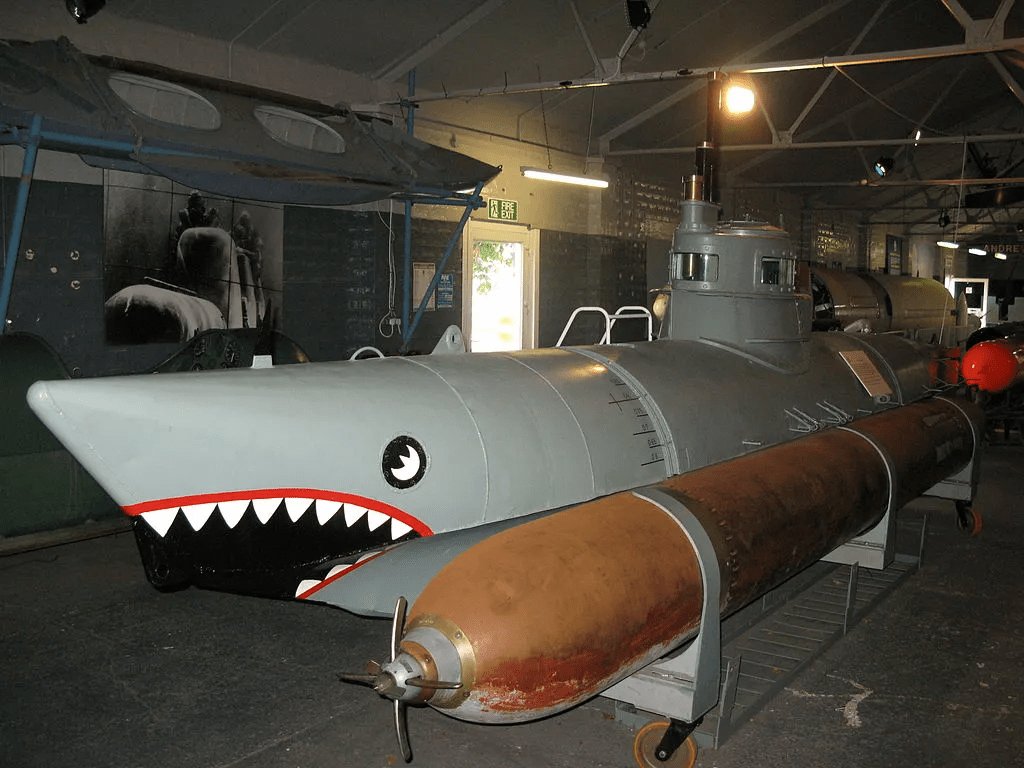
The pilots considered the mini one man submarines as suicide vessels.
Hamburg-based criminologist Wolf Kemper believes that D-IX was Hitler’s final secret weapon—an attempt to turn the tide of a war that was slipping away from Nazi Germany. While Nazi propaganda had long condemned drug addiction, portraying substances like cocaine as the “devilish” vice of Europe’s demoralized Bohemian circles in the 1920s, the regime had no qualms about supplying its own soldiers with powerful stimulants. In their pursuit of victory, Nazi leaders sought to transform their troops into tireless, obedient war machines—at the cost of their humanity.
sources
https://www.theguardian.com/world/2002/nov/19/research.germany
https://www.spiegel.de/international/the-nazi-death-machine-hitler-s-drugged-soldiers-a-354606.html
https://www.sachsenhausen-sbg.de/en/history/1936-1945-sachsenhausen-concentration-camp/
https://speyer.technik-museum.de/en/one-man-torpedo
https://en.wikipedia.org/wiki/D-IX
Please support us so we can continue our important work.
Donation
Your readership is what makes my site a success, and I am truly passionate about providing you with valuable content. I have been doing this at no cost and will continue to do so. Your voluntary donation of $2 or more, if you are able, would be a significant contribution to the continuation of my work. However, I fully understand if you’re not in a position to do so. Your support, in any form, is greatly appreciated. Thank you. To donate, click on the credit/debit card icon of the card you will use. If you want to donate more than $2, just add a higher number in the box left from the PayPal link. Your generosity is greatly appreciated. Many thanks.
$2.00
 History of Sorts
Leave a comment