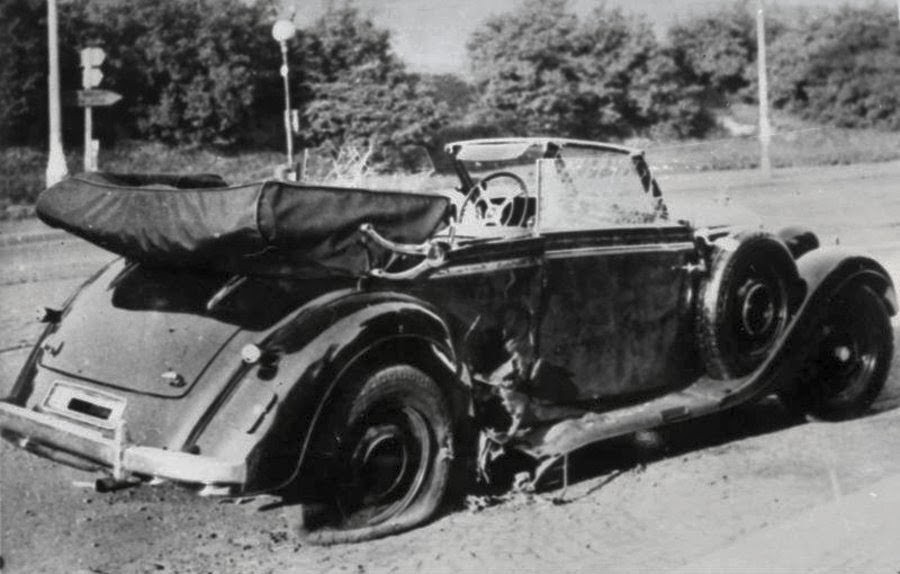
On May 29, 1942, Radio Prague announced that Reinhard Heydrich, Reichsprotektor of Bohemia and Moravia, lay dying in Prague’s Bulovka Hospital from wounds sustained in a daring ambush carried out by Czech resistance fighters.
Days earlier, as Heydrich’s open-topped Mercedes wound through the outskirts of Prague near Holešovice along the road then known as Rudé armády VII in Kobylisy, not far from the Vltava River, his convoy was attacked in one of the most audacious acts of resistance in World War II.
History rarely turns on a single moment. Yet on May 27, 1942, in a quiet suburb of Prague, the course of the war shifted with the pull of a trigger.
The target was Reinhard Heydrich — chief of the Reich Security Main Office, the “Hangman of Prague,” and one of the principal architects of the Holocaust. Adolf Hitler called him “the man with the iron heart.”
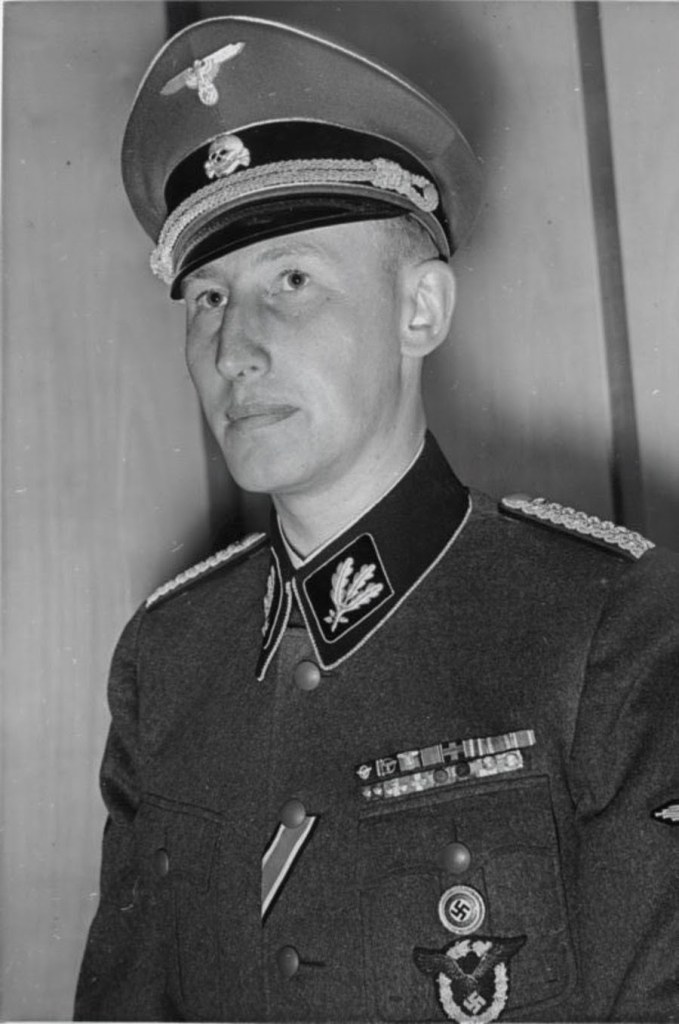
To the Allies, he was among the most dangerous figures in the Nazi regime: a brilliant and terrifyingly efficient administrator whose continued rise might have strengthened the Nazi vision of a thousand-year Reich.
The mission to kill him, codenamed Operation Anthropoid, remains one of the boldest and most morally complex acts of resistance in World War II. It is a story not only of courage, but of sacrifice — an enduring testament to the terrible price of defiance.
The Architecture of Terror
By late 1941, Czechoslovakia had been swallowed by Germany, renamed the Protectorate of Bohemia and Moravia. When the initial Nazi occupation faced mild labor unrest, Hitler sent Heydrich to crush it.Heydrich’s approach was a masterclass in psychological warfare: he combined immediate, brutal terror with calculated pacification. He executed resistance leaders, banned cultural institutions, and simultaneously increased sausage rations for compliant factory workers. It worked. The Czech resistance was systematically dismantled, and the nation fell into a paralyzed silence.From exile in London, Edvard Beneš, the president of the Czechoslovak government-in-exile, watched in desperation. If the Czechs appeared compliant, the Allies might accept the post-war partition of their country. A dramatic, undeniable act of resistance was needed to prove to the world that the Czech nation was still fighting.
Reinhard Heydrich arrived in Prague with a clear mandate: crush resistance, tighten Nazi control, and maintain the flow of Czech arms and industrial production deemed vital to the German war effort. As the de facto dictator of Bohemia and Moravia, he ruled through calculated terror — a blend of executions, mass arrests, and political intimidation designed to extinguish dissent before it could spread.
So complete was his confidence in the occupation apparatus that Heydrich often traveled through Prague in an open-topped Mercedes with only his chauffeur beside him, dismissing the possibility that anyone would dare strike at him in the heart of Nazi-controlled territory.
His ruthless efficiency earned him a catalogue of fearful nicknames: the “Butcher of Prague,” the “Blond Beast,” and the “Hangman.” To many within the Nazi hierarchy, he represented the future of the regime — cold, intelligent, disciplined, and utterly without mercy.
One of Heydrich’s earliest decrees after assuming power in Prague, issued on September 29, 1941, targeted the Jewish community directly. Ordering the closure of synagogues and Jewish places of worship, the decree declared:
“Jewish synagogues and places of prayer have not been used for religious purposes for some time. Instead, they have become centers for all kinds of Jewish subversive elements and focal points of illegal whispered propaganda. For this reason I have ordered the closing of all Jewish synagogues and places of prayer.”
The Chosen Two
The British Special Operations Executive (SOE) trained a select group of exiled Czechoslovak soldiers. Among them, two men stepped forward into history: Jozef Gabčík, a Slovak, and Jan Kubiš, a Czech. Their partnership symbolised a united front against tyranny.
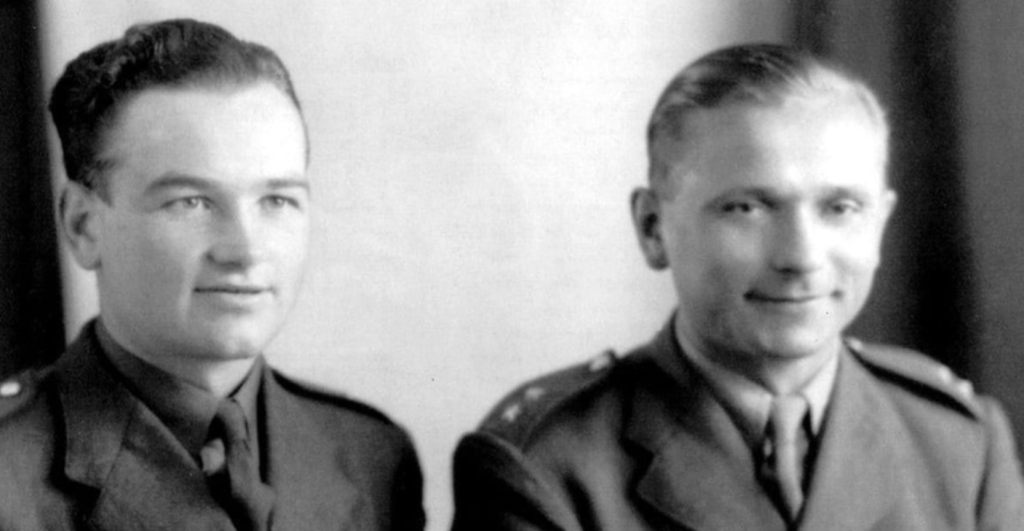
Jozef Gabčík and Jan Kubiš were airlifted into occupied Czechoslovakia on the night of December 28, 1941, alongside seven other soldiers from the Czechoslovak army-in-exile based in the United Kingdom. They were accompanied by two additional resistance teams — Silver A and Silver B — each assigned separate covert missions within the Protectorate.
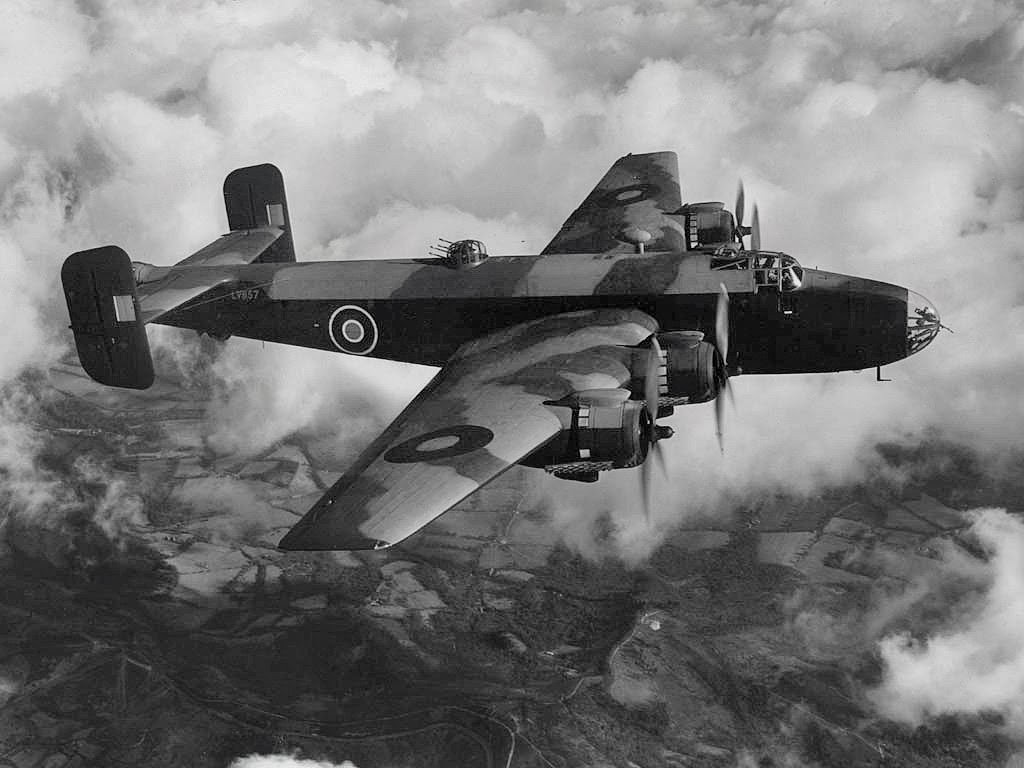
Transported aboard a Royal Air Force Halifax bomber of No. 138 Squadron, the men parachuted into their occupied homeland shortly before 10 p.m.
They discovered a vulnerability. Heydrich, arrogant to the point of delusion, regularly traveled the same route from his villa to Prague Castle in an open-top Mercedes-Benz, entirely without an armed escort.
Seconds of Chaos at the Curve
The strike was set for May 27, 1942, at a sharp, uphill hairpin turn in the Libeň district of Prague. The curve forced Heydrich’s driver to slow the heavy Mercedes to a crawl.As the car rounded the bend, Gabčík stepped into the street, raised his British Sten submachine gun, and pulled the trigger.Nothing happened. The gun had jammed.In that terrifying second, the mission teetered on total failure. Instead of speeding away, Heydrich made a fatal mistake born of sheer arrogance: he ordered his driver to stop and stood up to draw his pistol on his attacker.Kubiš reacted instantly. Emerging from the shadows, he hurled a specially modified, highly explosive anti-tank grenade at the vehicle. The bomb exploded against the rear wheel. Shrapnel and shredded upholstery tore into Heydrich’s side. Though wounded himself by the blast, Kubiš and a fleeing Gabčík managed to escape into the labyrinth of Prague.Heydrich did not die on the street.
In the chaotic moments after the attack, a Czech woman and an off-duty policeman rushed to Reinhard Heydrich’s aid and flagged down a passing delivery van. Gravely wounded but still conscious, Heydrich was initially placed in the driver’s cab. The movement of the truck, however, caused him intense pain, and he was soon transferred to the rear of the vehicle, where he lay face down as he was driven to Prague’s Bulovka Hospital.
Arriving at the emergency ward shortly after 11:00 a.m., Heydrich was admitted under the registration number 12.555/42. Doctors quickly discovered catastrophic injuries to the left side of his body: severe damage to the diaphragm, spleen, and lung, along with a fractured rib. Dr. Slanina packed the chest wound while Dr. Walter Diek, the Sudeten German chief surgeon, attempted unsuccessfully to remove embedded fragments from the blast.
On June 4, 1942, the man with the iron heart died of systemic infection.
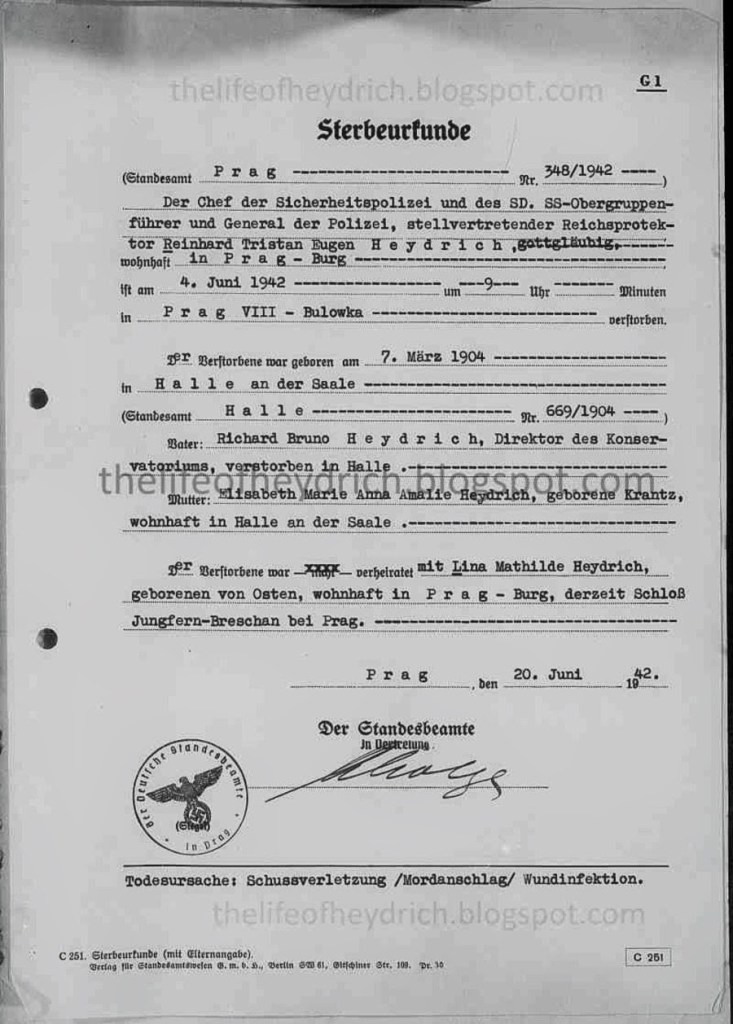
The Terrible Reckoning
The Nazi retaliation was immediate, blind, and apocalyptic. Hitler demanded a blood bath.Believing a false lead connecting the assassins to the small village of Lidice, Nazi forces surrounded it. They executed every man and boy over the age of fifteen, shipped the women to concentration camps, gassed most of the children, and literally burned and bulldozed the village off the map. A second village, Ležáky, met the same fate. Thousands of innocent Czechs were murdered in a frenzied campaign of terror.The psychological weight on Gabčík and Kubiš, hiding in the shadows while their nation bled for their actions, is unimaginable.
Last Stand at Saints Cyril and Methodius
Betrayed by a fellow paratrooper, Karel Čurda, who cracked under the pressure and claimed the bounty on their heads, the agents were cornered. Along with five other resistance fighters, Gabčík and Kubiš had taken refuge in the underground crypt of the Cathedral of Saints Cyril and Methodius in Prague.
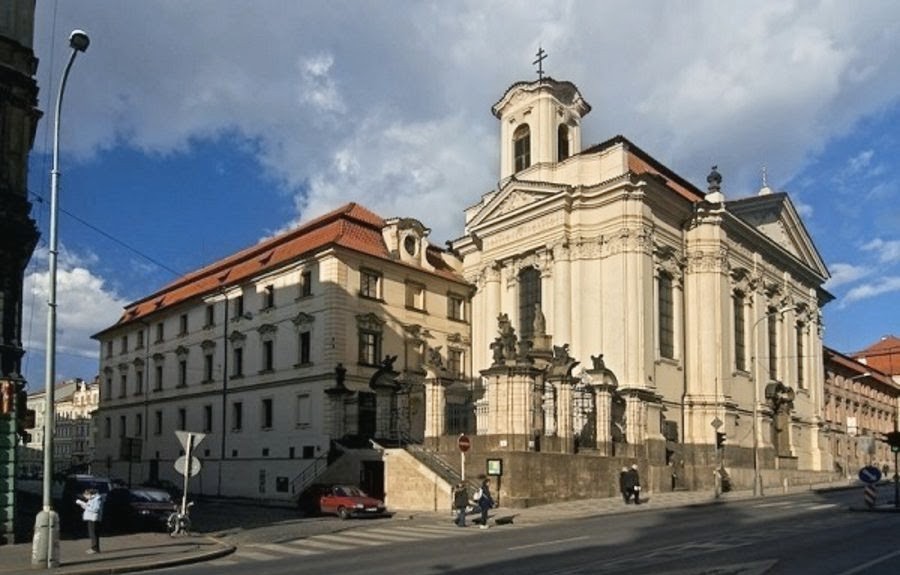
On June 18, 1942, 800 Waffen-SS troops surrounded the church. A fierce, asymmetrical battle raged for hours. Kubiš and two others fought from the choir loft until they were mortally wounded.
Gabčík and the remaining three paratroopers retreated to the dark, claustrophobic stone crypt. The SS tried to smoke them out, then used Prague firefighters to flood the crypt with water through a small street ventilation window.
The Germans yelled into the dark, demanding surrender. The defiant shout that echoed back defined the spirit of the resistance:
“We are Czechs! We will never surrender!”
When their ammunition ran down to the final bullets, the four men chose to shoot themselves rather than fall into the hands of the Gestapo.
The Legacy of Anthropoid
Was Operation Anthropoid worth it? It is a question historians still debate. The human cost was staggering—estimates suggest up to 5,000 Czechs were murdered in the reprisal killings.
Yet, looking through the lens of geopolitics, the assassination achieved its vital purpose. Stunned by the sacrifice, Great Britain and France officially revoked the 1938 Munich Agreement—the infamous treaty that had permitted the annexation of Czechoslovakia. The mission guaranteed that when the smoke of World War II finally cleared, Czechoslovakia would return to the map as a sovereign, independent nation.
Operation Anthropoid is a stark reminder that freedom is rarely won without a devastating invoice. Gabčík, Kubiš, and the hundreds of ordinary citizens who hid them were not flawless mythical heroes; they were human beings who felt fear, who knew the risks, and who looked into the abyss of totalitarian rule and decided that some things are worth dying for. Their bullet scars, still visible on the stone walls of the Prague crypt today, remain a permanent monument to the enduring power of human defiance.
sources
https://time.com/4439069/operation-anthropoid-historical-adviser
https://www.normandy1944.info/home/commanders/life-and-death-of-reinhard-heydrich
https://bleeckerstreetmedia.com/editorial/reinhard-heydrich-anatomy-of-a-monster
https://en.wikipedia.org/wiki/Reinhard_Heydrich
https://www.topographie.de/en/exhibitions/reinhard-heydrich-career-and-violence
Donation
Your readership is what makes my site a success, and I am truly passionate about providing you with valuable content. I have been doing this at no cost and will continue to do so. Your voluntary donation of $2 or more, if you are able, would be a significant contribution to the continuation of my work. However, I fully understand if you’re not in a position to do so. Your support, in any form, is greatly appreciated. Thank you. To donate, click on the credit/debit card icon of the card you will use. If you want to donate more than $2, just add a higher number in the box left from the PayPal link. Your generosity is greatly appreciated. Many thanks.
$2.00


Leave a Reply