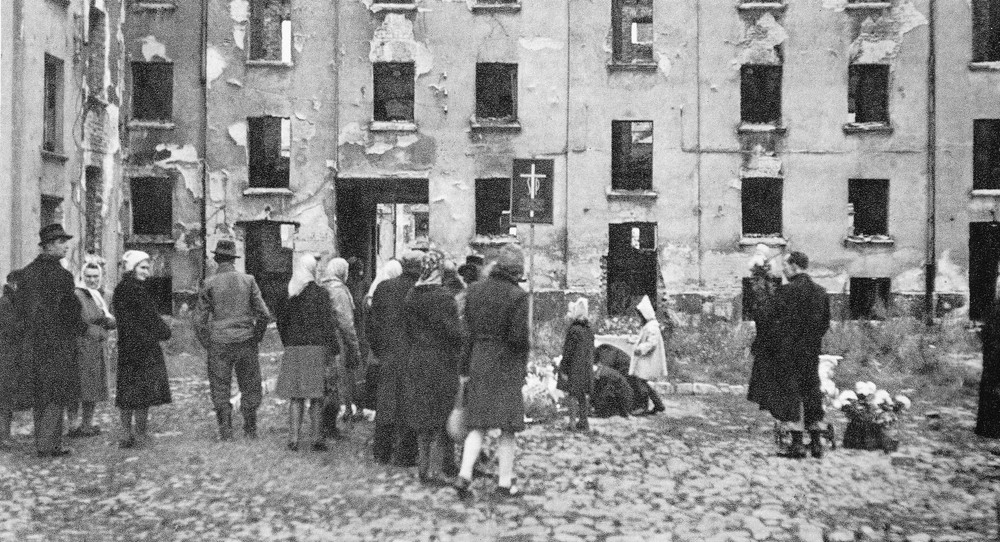
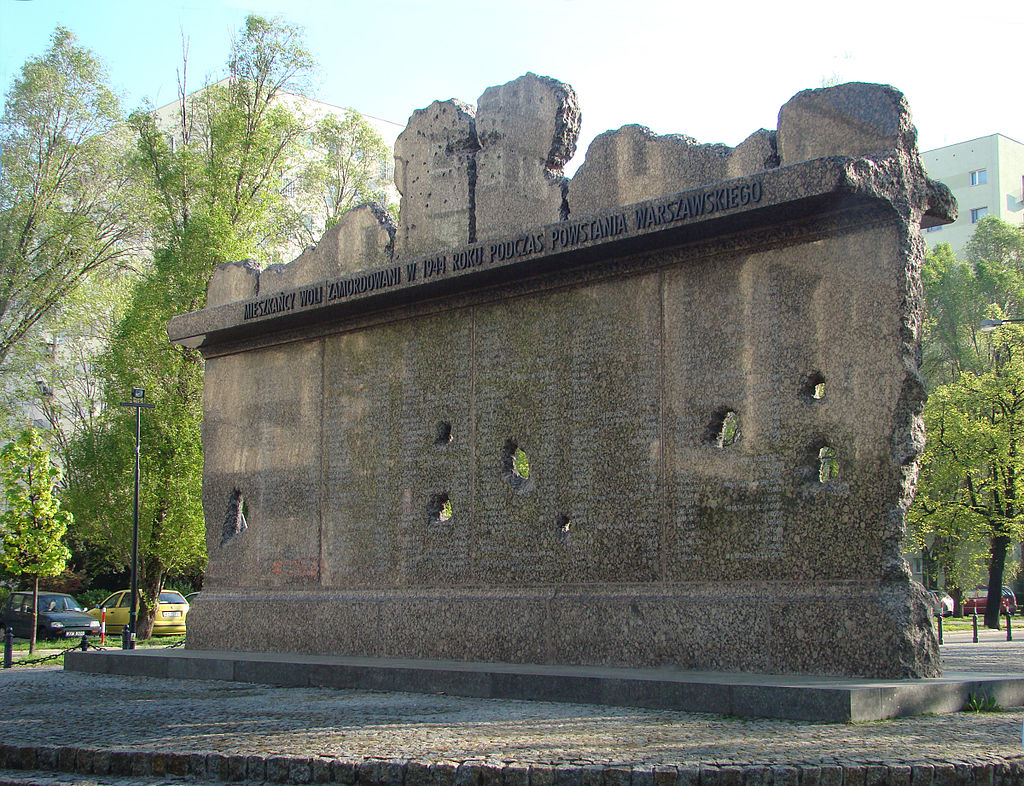
The Wola massacre was the systematic slaughter of an estimated 40,000 to 50,000 Polish civilians and captured Home Army resistance fighters in Warsaw’s Wola district. Carried out by German troops and collaborationist forces from August 5 to 12, 1944, it occurred during the opening phase of the Warsaw Uprising.
The uprising had begun on August 1, 1944, with Polish resistance forces quickly liberating most of Warsaw on the left bank of the Vistula River (an uprising in the eastern suburb of Praga was swiftly suppressed). On August 3, SS General Erich von dem Bach-Zelewski took command of all German forces in the city.
Under his direction, German forces launched organized mass executions throughout Wola, intending to break the insurgents’ will and end the uprising quickly. However, the brutal pacification backfired—stiffening Polish resolve and dragging out the battle for another two months of fierce fighting before the Germans regained control.
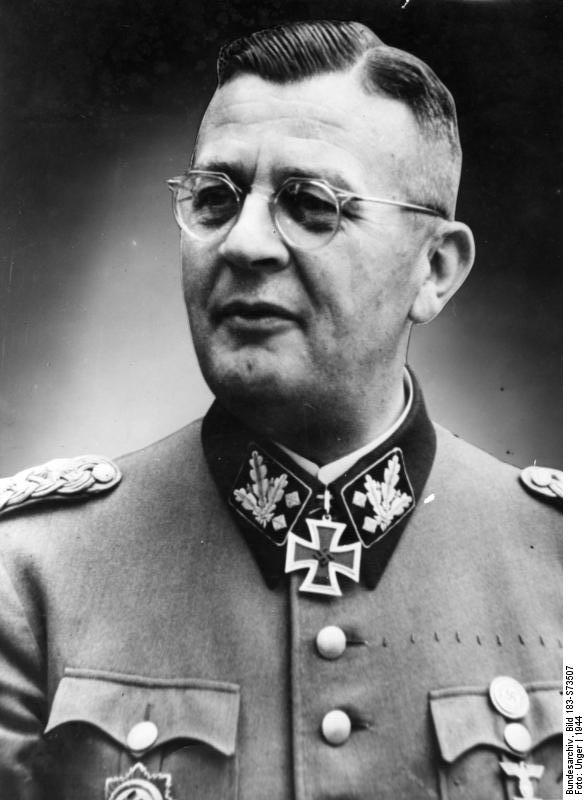
Two days after the start of the fighting, SS General Erich von dem Bach-Zelewski was placed in command of all German forces in Warsaw. Following direct orders from SS-Reichsführer Heinrich Himmler to suppress the uprising without mercy, Bach-Zelewski implemented a strategy of total terror against the city’s inhabitants.
Himmler’s directives were explicit: Warsaw was to be completely leveled as a warning to occupied Europe, and its population was to be exterminated. German forces made no distinction between armed insurgents and innocent civilians, targeting both in a campaign of total annihilation
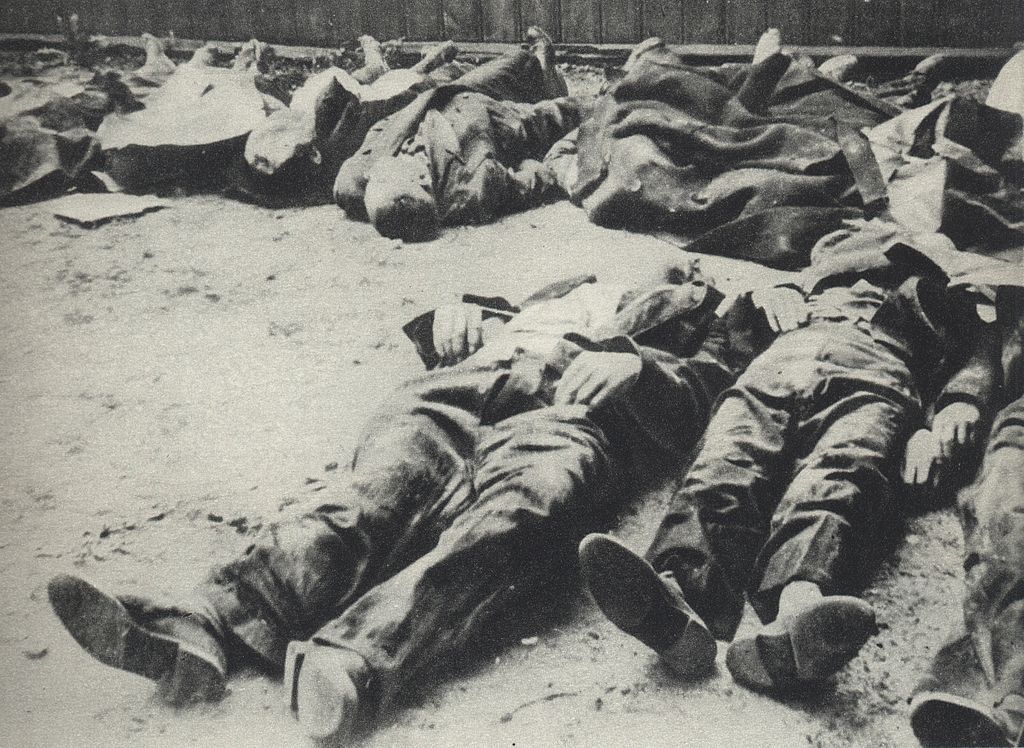
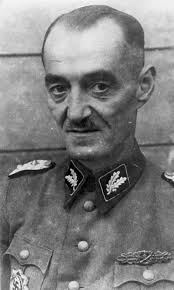
On August 5, three German battle groups began advancing toward the city center from the western outskirts of the Wola district, pushing along Wolska and Górczewska streets. The attacking forces comprised Wehrmacht units, SS Police Battalions, the predominantly Russian SS-Sturmbrigade RONA, and the SS-Sturmbrigade Dirlewanger—an infamous Waffen-SS penal unit led by Oskar Dirlewanger.
As Yale historian Timothy Snyder noted, “the massacres in Wola had nothing in common with combat,” observing that “the ratio of civilian to military dead was more than a thousand to one, even if military casualties on both sides are counted.”
Shortly after advancing toward Warsaw’s city center, the two leading battle groups—Kampfgruppe Rohr, led by Generalmajor Günter Rohr, and Kampfgruppe Reinefarth, led by Heinz Reinefarth—were halted by heavy fire from Polish resistance fighters.
Blocked from proceeding, German troops began moving house to house, fulfilling their orders to murder all occupants. Civilians were systematically executed on the spot, with many subjected to torture and sexual violence beforehand. Estimates vary, but Reinefarth himself later calculated that up to 10,000 civilians—predominantly women, children, and the elderly—were slaughtered in Wola on August 5 alone, the operation’s very first day.
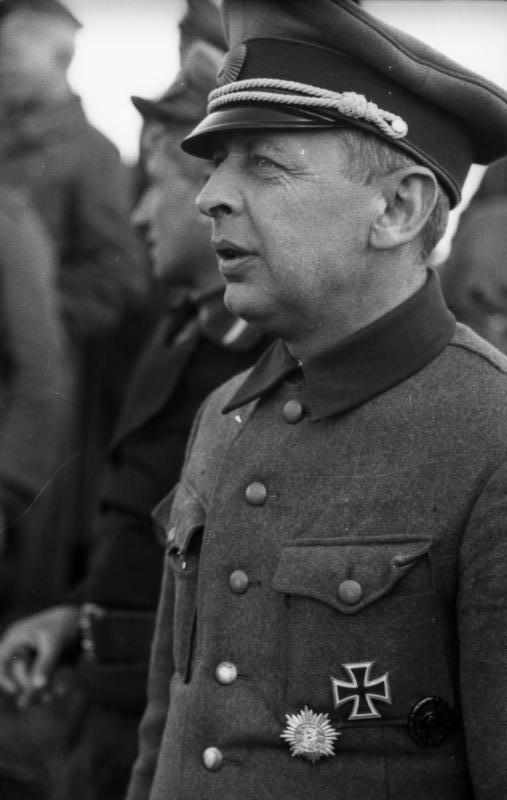
Research historian Martin Gilbert, from the University of Oxford, wrote:
“More than fifteen thousand Polish civilians had been murdered by German troops in Warsaw. At 5:30 that evening [August 5], General Erich von dem Bach gave the order for the execution of women and children to stop. But the killing continued of all Polish men who were captured, without anyone bothering to find out whether they were insurgents or not. Nor did either the Cossacks or the criminals in the Kaminsky and Dirlewanger brigades pay any attention to von dem Bach Zelewski’s order: by rape, murder, torture and fire, they made their way through the suburbs of Wola and Ochota, killing in three days of slaughter a further thirty thousand civilians, including hundreds of patients in each of the hospitals in their path
That same day, August 5, the Home Army’s Zośka Battalion scored a major tactical victory by liberating the Gęsiówka concentration camp. Supported by two captured German Panther tanks operated by an armored unit under Captain Wacław Micuta, Polish forces freed hundreds of prisoners and secured strategic control over the ruins of the former Warsaw Ghetto.
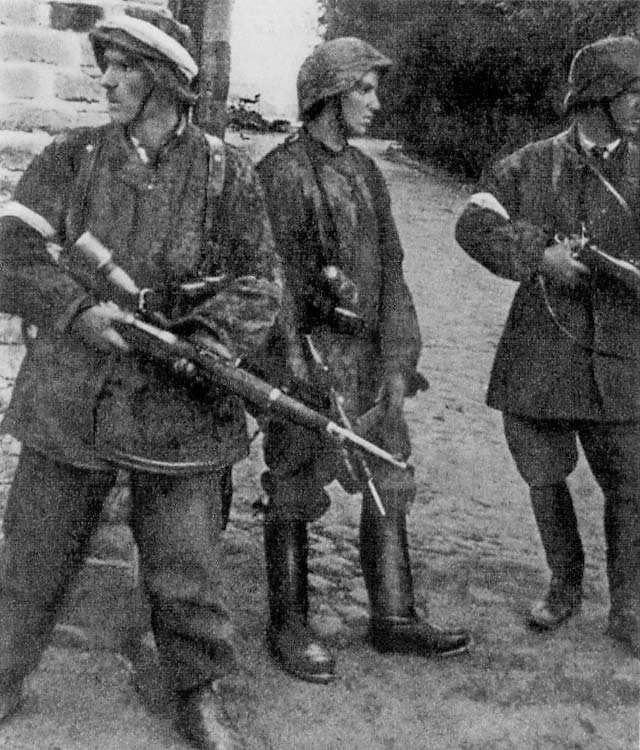
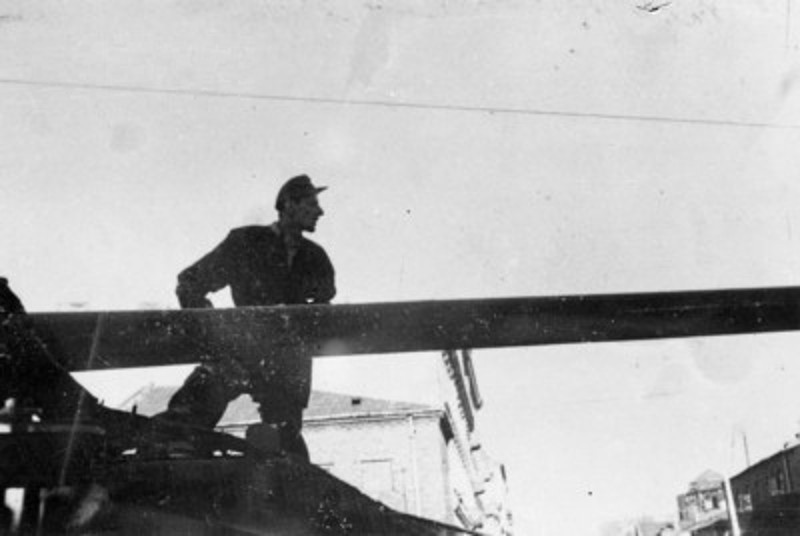
Over the following days, the liberated ghetto area became a critical communications corridor between Wola and Warsaw’s Old Town. This route allowed Polish insurgents and civilians to gradually evacuate Wola ahead of the overwhelmingly superior German forces arrayed against them.
On August 7, German ground forces received further reinforcements. To maximize their advance, German troops resorted to using Polish civilians as human shields when approaching resistance positions. Leveraging superior numbers, heavy firepower, and these terror tactics, they fought their way to Bankowy Square in the northern city center, effectively severing the Wola district in two.
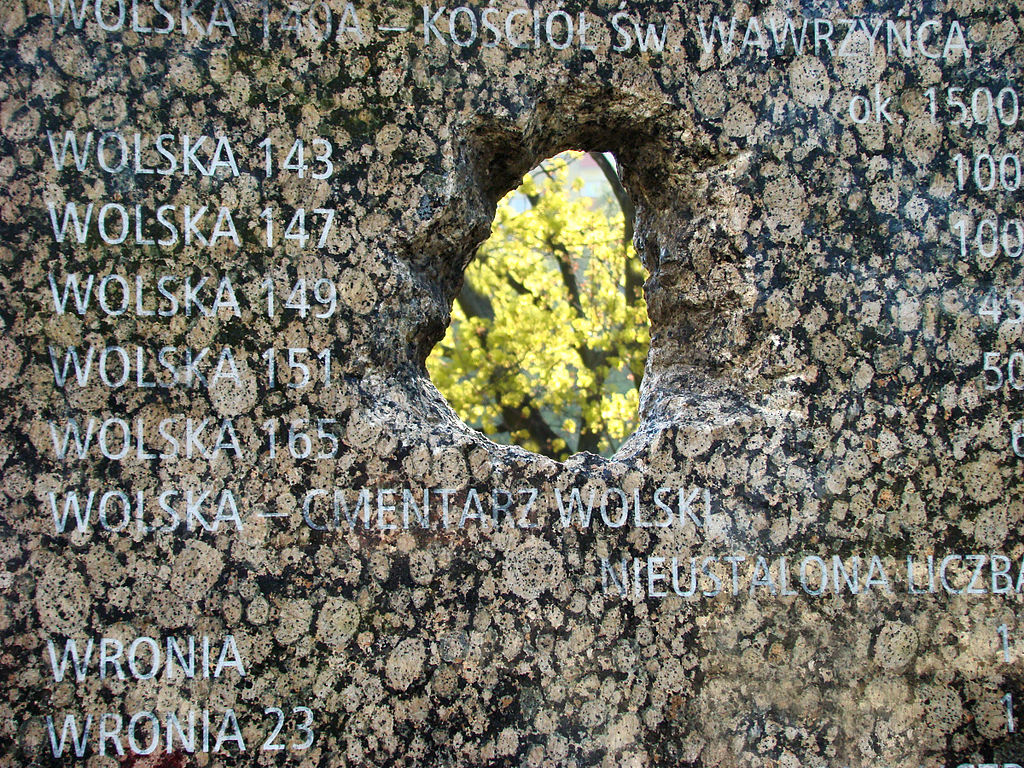
During the assault, German units burned down two local hospitals with patients still trapped inside. Hundreds of additional patients and medical personnel were killed by indiscriminate gunfire and grenades, or rounded up and led away for execution. The largest massacres occurred along the Górczewska Street railway embankment and at three major industrial sites: the Ursus Factory (Wolska 55), the Franaszka Factory (Wolska 41/45), and the Pfeiffer Factory (Okopowa 57/59). At these locations, thousands of civilians gathered from across the district were systematically shot.
Between August 8 and 23, the SS forced male survivors from Wola into specialized units known as the Verbrennungskommando (“burning detachment”). These men were forced to destroy evidence of the atrocity by incinerating thousands of corpses and burning homes; most were executed once their work was complete.
On August 12, the directive for indiscriminate mass murder was officially rescinded. SS General Erich von dem Bach-Zelewski ordered that surviving civilians instead be evacuated from the city and deported to concentration camps or forced labor camps (Arbeitslager).
Post-War Accountability None of the German commanders or troops responsible for the atrocities in Warsaw were ever held legally accountable after the Second World War. The chief perpetrators of the massacres in Wola and the neighboring Ochota district—Heinz Reinefarth and Oskar Dirlewanger—escaped post-war justice.
Dirlewanger, who personally directed and participated in extreme violence, was arrested under an alias by French occupation forces on June 1, 1945. He died six days later in a French prison camp in Altshausen, likely from beatings by Polish guards.
Reinefarth was detained by British and American forces in 1945 but was never prosecuted, despite repeated extradition requests from Poland. After a West German court dismissed charges against him citing insufficient evidence, Reinefarth pursued a successful political and legal career in West Germany, serving as Mayor of Westerland and a member of the Schleswig-Holstein state parliament (Landtag). The West German government ultimately granted the former SS-Obergruppenführer a full general’s pension prior to his death in 1979.
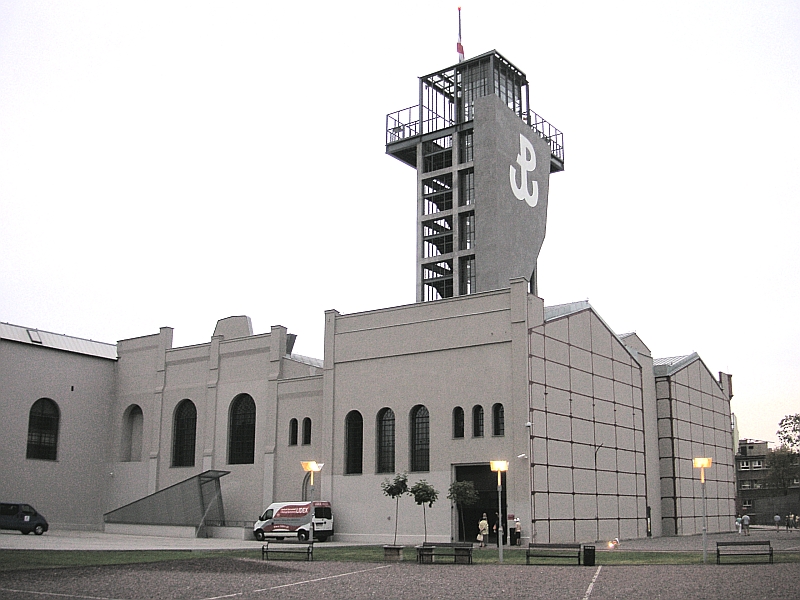
In May 2008, a list of several former SS Dirlewanger members who were still alive was compiled and published by the Warsaw Uprising Museum.
Sources
https://en.wikipedia.org/wiki/Wola_massacre
https://www.history.co.uk/articles/wwii-the-wola-massacre
https://tvpworld.com/79654964/remembering-the-wola-massacre-80-years-on
https://www.sppw1944.org/index.html?/powstanie/wola_rzez_eng.html


Leave a Reply