
The world’s leading transport and logistics company, Kühne + Nagel, has been portrayed in historical research as one of the principal logistics companies involved in the Nazi regime’s systematic plundering of Jewish property during the Holocaust.
Beginning in early 1942, the Einsatzstab Reichsleiter Rosenberg (ERR) carried out what became known as the “Furniture Action”, or M-Aktion (Möbel-Aktion). Under this vast operation, the homes of approximately 70,000 Jewish families in France, Belgium and the Netherlands were systematically emptied after their occupants had either fled or been deported by the Nazis.
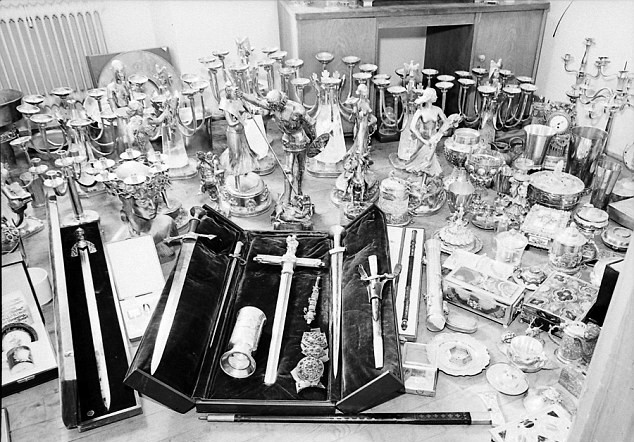
Nothing was considered too insignificant to take. Furniture, clothing, household goods and personal possessions were seized and transported to Germany. Works of art were treated separately: they were inventoried, photographed and shipped to Germany as part of the Nazi regime’s enormous programme of cultural plunder.
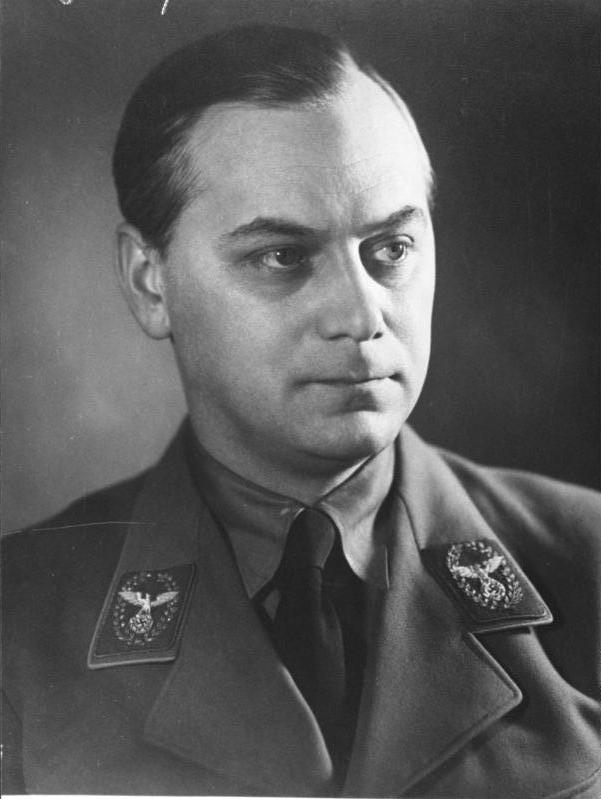
The operation was overseen by Alfred Rosenberg, the leading Nazi ideologue who, from July 1941, also served as Reich Minister for the Occupied Eastern Territories. Rosenberg originally envisaged using confiscated furniture to furnish German administrative offices in the occupied East. In practice, however, much of the stolen property was redistributed to German civilians whose homes had been destroyed by Allied bombing.
In Paris alone, the ERR searched approximately 38,000 Jewish homes. A department store was used as an enormous temporary warehouse where the contents of these homes were sorted and stored before being transported to Germany.
Kühne + Nagel played a significant role in this logistical operation. The company became involved in transporting the possessions taken from the homes of Jews who had been deported, turning the machinery of transport and logistics into an essential component of the Nazi system of dispossession.
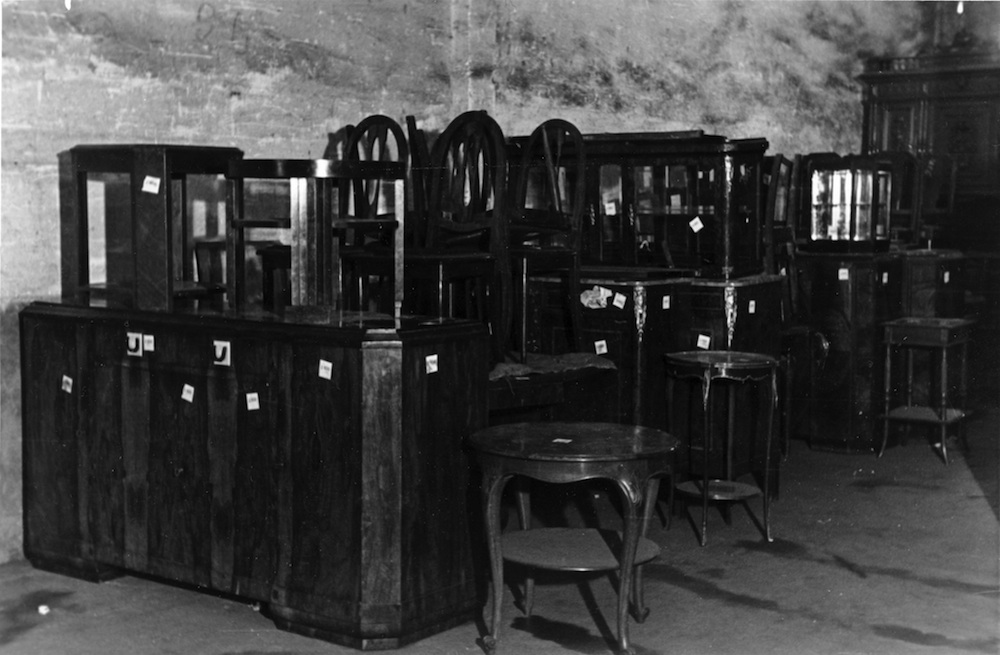
The scale of the shipments was immense. Furniture, clothing and personal belongings were accumulated in warehouses before being distributed, sold at drastically reduced prices, or handed to Germans who had lost their possessions in Allied air raids.
In December 1942, the first cargo ship carrying goods from Amsterdam arrived in Bremen. Its cargo included 220 armchairs, 105 beds, 363 tables, 598 chairs, 126 wall units, 35 sofas and 307 boxes of glassware. There were also 110 mirrors, 158 lamps, 32 watches, a gramophone and two baby carriages.
These were not simply anonymous household objects. They had belonged to people who had been torn from their homes and sent into the machinery of Nazi persecution. Behind every table, chair, bed or child’s carriage was a family whose life had been shattered by deportation.
The cargo ship carrying these possessions was chartered by Kühne + Nagel.
For historians examining the economic dimensions of the Holocaust, this distinction is crucial. The genocide was not carried out solely by those who pulled triggers, guarded camps or operated gas chambers. It also depended upon a vast network of bureaucratic, administrative, financial and commercial cooperation. The destruction of European Jewry required not only murderers but also people and institutions capable of identifying victims, confiscating their property, cataloguing it, storing it and transporting it.
Frank Bajohr of the Munich Centre for Holocaust Studies described the appropriation of Jewish possessions as “a form of corpse robbing.” He argued that the Nazi genocide was a bureaucratically organised process involving individuals, institutions and companies, and that Kühne + Nagel became involved in that process.
Although employees of the company were not standing beside the mass graves or working inside the extermination camps, Bajohr argued that this did not remove the company from the wider system of persecution and exploitation. Its role was part of the logistical infrastructure through which Jewish people were dispossessed and their belongings redistributed.
Kühne + Nagel has acknowledged the existence of this dark chapter in its history. The company stated that it was aware of the “shameful incidents” during the Third Reich and expressed regret that it had conducted activities, in part, on behalf of the Nazi regime.
Historian Jaromír Balcar, who conducted research into the company’s wartime activities, has emphasised that Kühne + Nagel was far from alone. Numerous German companies became involved in the expropriation and redistribution of property belonging to Jews who had been persecuted and deported.
The story of the M-Aktion therefore reveals another, less visible dimension of the Holocaust. The destruction of Jewish life did not end with deportation. Victims were stripped not only of their homes, possessions and livelihoods, but ultimately of the physical traces of the lives they had built.
Their furniture travelled on ships and trains. Their clothes were sorted in warehouses. Their possessions entered German homes. Objects that had once belonged to families became commodities, necessities or spoils.
The Holocaust was therefore not only a history of camps, ghettos and mass shootings. It was also a history of paperwork, warehouses, inventories, ships, trucks and companies—and of an industrialised system in which the property of murdered and deported people could be moved across Europe as efficiently as any other cargo.
Sources
https://en.wikipedia.org/wiki/M-Aktion
https://geraubt.de/en/the-robbery-of-the-jewish-population/the-action-m
https://www.deutschlandfunk.de/ns-geschichte-von-kuehne-nagel-unaufgearbeitete-100.html


Leave a comment