
It would be so easy for ordinary citizens to turn a blind eye to the Holocaust, and indeed many did. I do not judge these people, because faced with a similar situation I don’t know how I would react. Anyone critical of the Nazi regime could face a prison sentence or worse, death. And it really didn’t take that much to be sentenced to death. I can therefore understand why people ignored the things happening around them, for many it was a way to ensure survival.
There were those though who saw the injustice and evil and spoke out against it publicly. People like the Catholic Priest Fr. Bernhard Lichtenberg.
Ever since the Nazis came to power he spoke out against them. After the pogrom of 9 November 1938, known as Kristallnacht he said the following public prayer in the St. Hedwig’s Cathedral in Berlin.
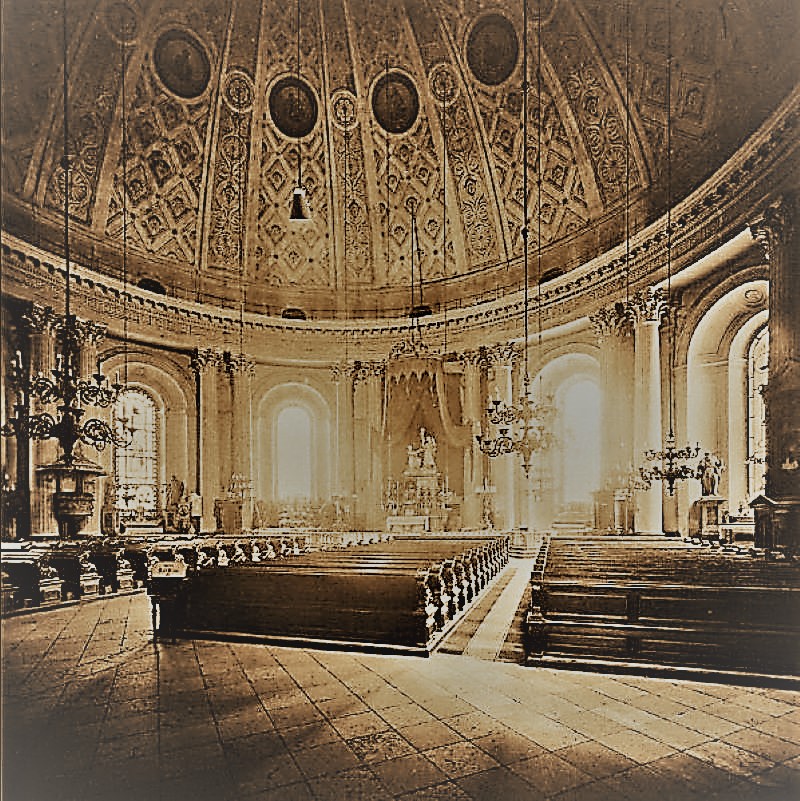
“We know what was yesterday. We do not know what will be tomorrow. But we have experienced what happened today. Outside, the Temple is burning. That is also a House of God.”
Lichtenberg prayed publicly for the persecuted Jews at the daily Vespers service. Bishop Konrad von Preysing later entrusted Lichtenberg with the task of helping the Jewish community of the city, via the Welfare Office of the Berlin Diocesan Authority (“Hilfswerk”). In theory, non-Aryan Christians were to be supported by the “Fund.” However, aid was provided to every Jewish citizen who contacted the office.
Lichtenberg protested in person to Nazi officials against the arrest and killing of the sick and mentally ill. In 1941 he wrote a letter to the chief physician of the Reich, Minister of Public Health Leonardo Conti, concerning the T4 euthanasia program.
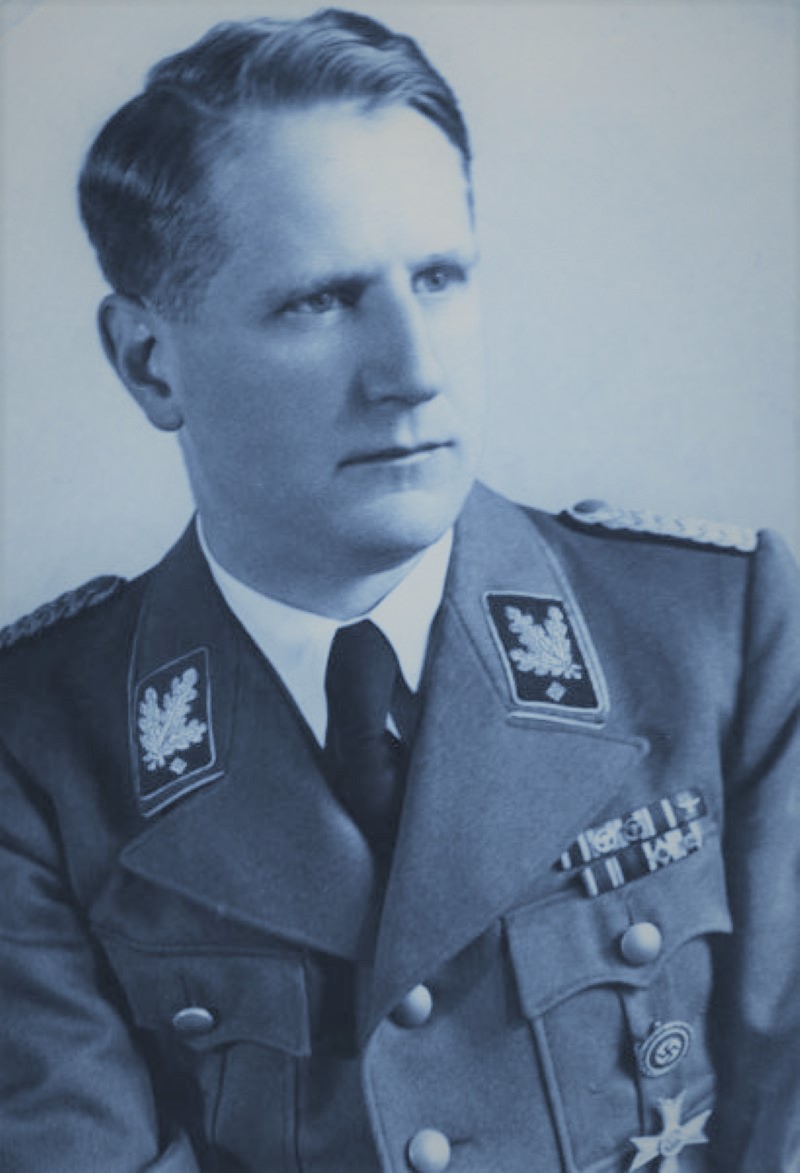
“I, as a human being, a Christian, a priest, and a German, demand of you, Chief Physician of the Reich, that you answer for the crimes that have been perpetrated at your bidding, and with your consent, and which will call forth the vengeance of the Lord on the heads of the German people.”
Initially, the Nazis saw him as more of a nuisance than a threat but his efforts to help the Jews and his calls to put an end to the immoral actions of the Nazis grew stronger. To silence him, the Nazis arrested him on October 23, 1941, and was sentenced to 2 years in prison. But because of his unyielding opposition, he was sent to Dachau. However, he never reached Dachau. He collapsed and died while in transit on 5 November 1943 in Hof, Bavaria.
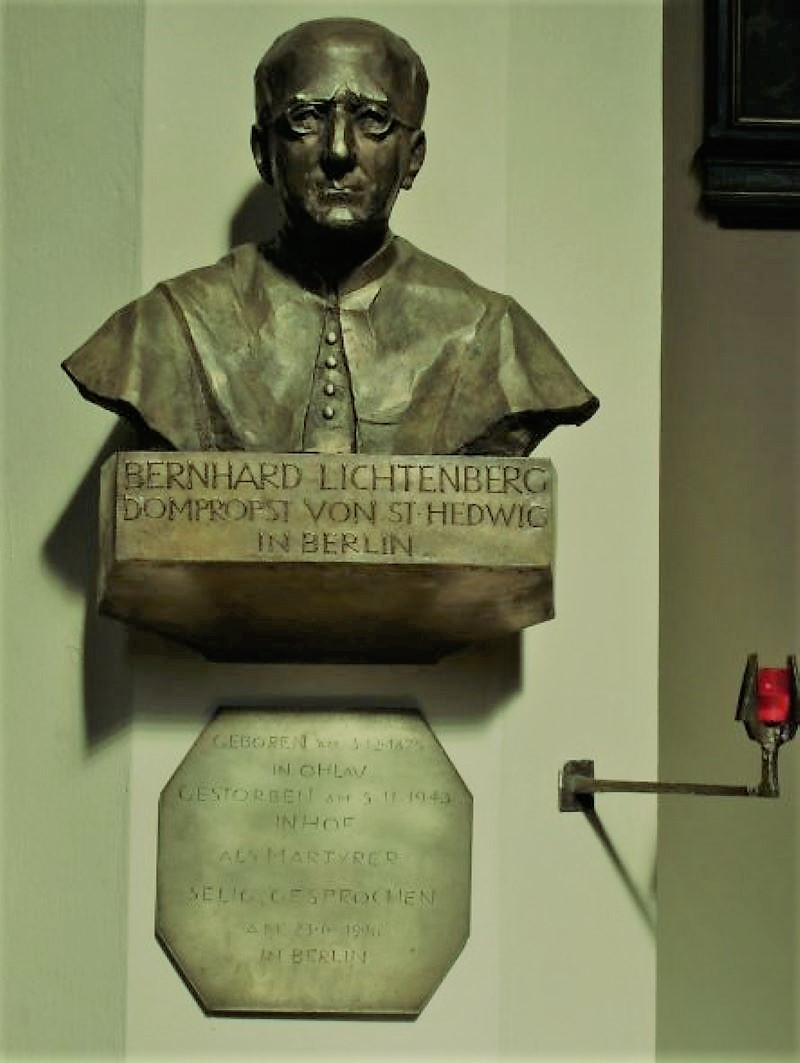
He died for being a decent human being, who spoke out about the evil he saw around him.
I am not a Catholic and I don’t believe in saints but if I had to believe in saints, he would be top of my list.
On 7 July 2004, Yad Vashem recognized Bernhard Lichtenberg as a Righteous Among the Nations.

Donation
Your readership is what makes my site a success, and I am truly passionate about providing you with valuable content. I have been doing this at no cost and will continue to do so. Your voluntary donation of $2 or more, if you are able, would be a significant contribution to the continuation of my work. However, I fully understand if you’re not in a position to do so. Your support, in any form, is greatly appreciated. Thank you. To donate, click on the credit/debit card icon of the card you will use. If you want to donate more than $2, just add a higher number in the box left from the PayPal link. Your generosity is greatly appreciated. Many thanks.
$2.00
Sources
The Second World War: A Complete History
Bundesarchiv
Yad Vashem

 History of Sorts
Leave a comment