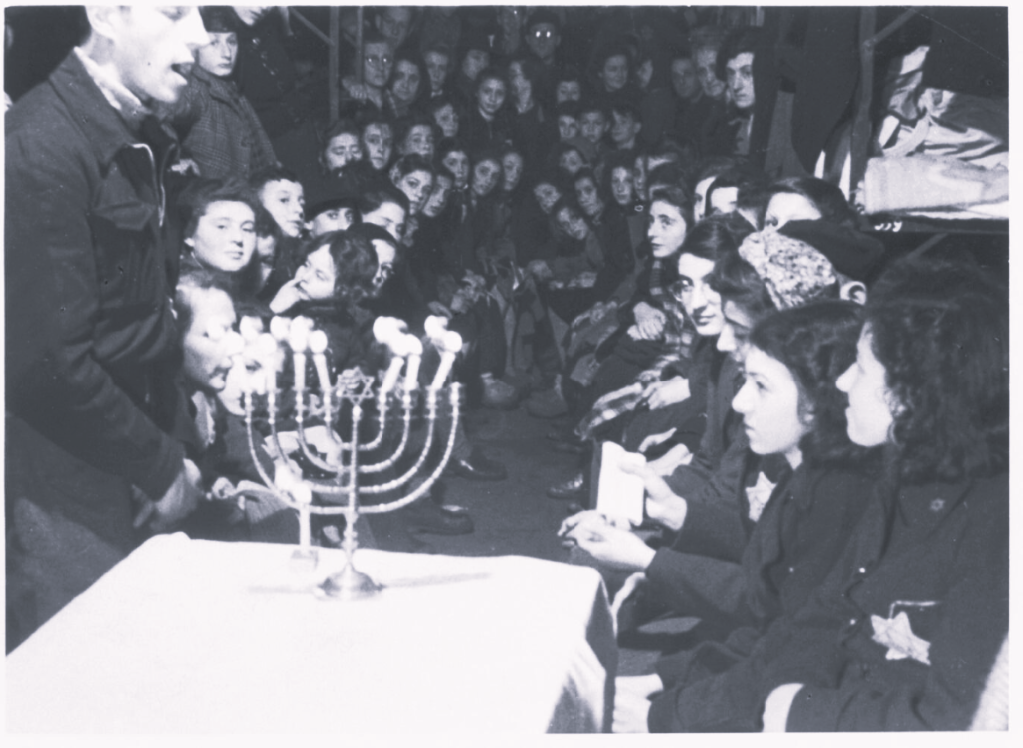
The “Westerbork Film” refers to a film shot by Rudolf Breslauer at the Westerbork transit camp during World War II. This film is a significant historical document because it provides a rare visual record of life in a Nazi transit camp. The film was commissioned by Albert Gemmeker, the Westerbork Camp Commandant in 1944. He ordered Rudolf Breslauer an interned Jewish photographer and filmmaker, to document daily life in the camp.
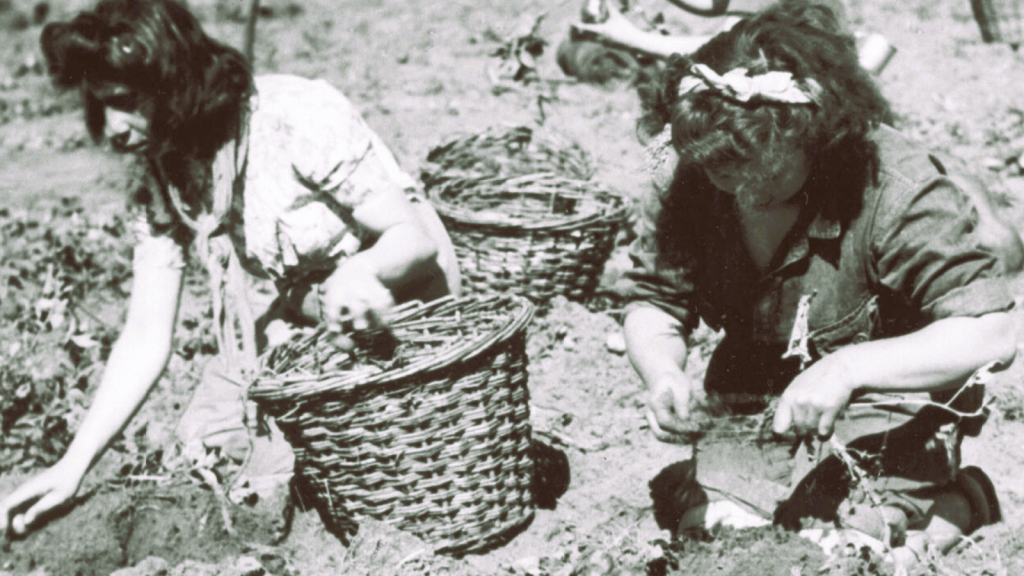
Rudolf Breslauer was a photographer and lithographer by trade, educated at the Academy for Art Photography in Germany. He had married Bella Weihsmann and had three children: Stephan, Mischa, and Ursula. They fled Leipzig and settled in the Netherlands in 1938. In the summer of 1940, non-Dutch Jews were forced to leave Leiden because the city was near the sea. The Breslauers moved to a boarding house in Alphen aan de Rijn and left for Utrecht shortly after. On February 11, 1942, they were sent to Westerbork, where Rudolf Breslauer was ordered to make passport photos of incoming camp prisoners and film daily life in Westerbork. In the spring of 1944, the camp commander commissioned Breslauer to create what would later be known as the “Westerbork Film.” In September 1944, Breslauer and his family were deported to Theresienstadt with other privileged prisoners and subsequently deported to Auschwitz in October 1944. Only Ursula survived the camp. Rudolf died a month after the liberation of Auschwitz, on 28 February 1945.
Rudolf Breslauer used his skills as a filmmaker to create a detailed and poignant record. Despite the horrific context, his footage managed to convey, both the normalcy and the underlying tension of life in the camp.
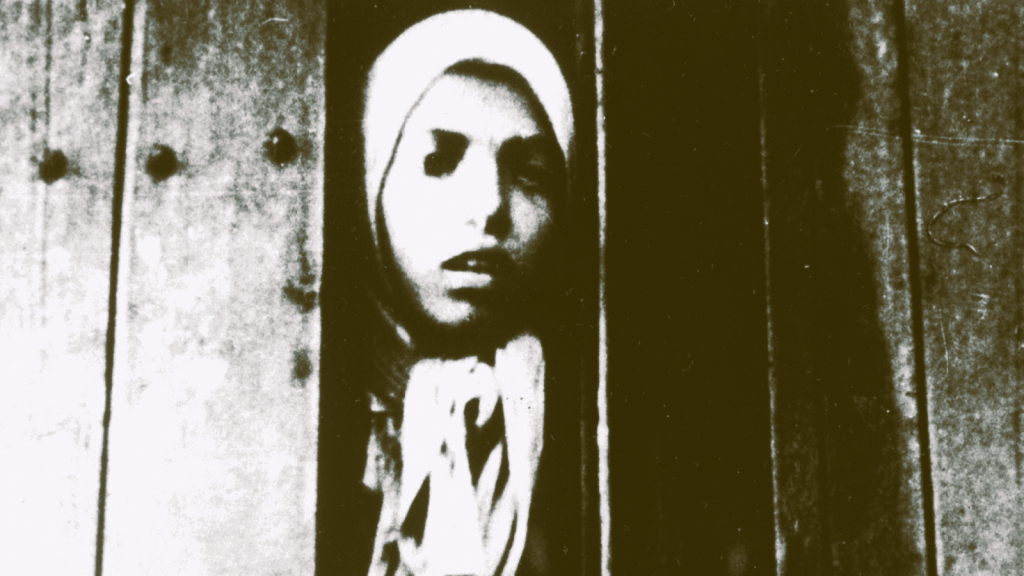
The most iconic still from the film is Anna Maria Steinbach, better known as Settela. She was born on December 23, 1934, in Buchten, in the province of Limburg in the Netherlands, a 20-minute cycle from Geleen, (where I was born and grew up). The still is a picture at the start of the blog.
Settela and her family ended up in Eindhoven and were rounded up and transferred to Westerbork transit camp on May 16, 1944. Settela was filmed in Westerbork on the May 19, 1944 train transport to Auschwitz, moments before the railcar door was bolted and locked. The 246 Sinti and Roma, including Settela and some of her family members, were in goods wagons 12 to 17, just at the moment that Jewish prisoner Rudolf Breslauer was ordered by camp commander Gemmecker to film the events. Settela was gassed in Auschwitz-Birkenau, probably during the night of 2-3 August 1944, possibly along with her mother, two brothers, two sisters, and other Sinti and Roma during the Zigeunerlager liquidation.
The “Westerbork Film,” shot by Rudolf Breslauer, remains one of the most important visual documents of the Holocaust. It provides a unique glimpse into life in a Nazi transit camp—and serves as a powerful educational tool, ensuring that the experiences of those who suffered and perished are not forgotten.
The use of “The Westerbork Film” raises important ethical questions about the portrayal of suffering and the intentions behind the footage. While initially intended as propaganda, its use today is largely educational and memorial.
Sources
https://collections.ushmm.org/search/catalog/irn1000921
https://www.joodsmonument.nl/en/page/121714/werner-rudolf-breslauer
https://perspectives.ushmm.org/item/werner-breslauer-westerbork-deportation-footage

Donation
Your readership is what makes my site a success, and I am truly passionate about providing you with valuable content. I have been doing this at no cost and will continue to do so. Your voluntary donation of $2 or more, if you are able, would be a significant contribution to the continuation of my work. However, I fully understand if you’re not in a position to do so. Your support, in any form, is greatly appreciated. Thank you. To donate, click on the credit/debit card icon of the card you will use. If you want to donate more than $2, just add a higher number in the box left from the PayPal link. Your generosity is greatly appreciated. Many thanks.
$2.00
 History of Sorts
Leave a comment