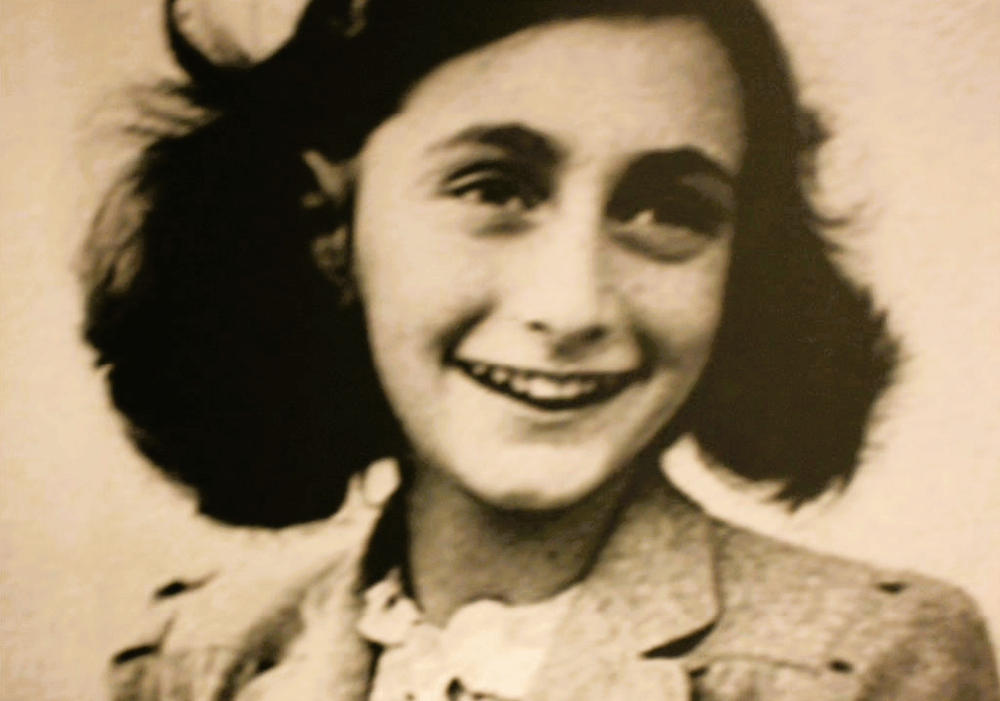
Anne Frank is one of the most well-known figures of the Holocaust, primarily due to the posthumous publication of her diary, “The Diary of a Young Girl.” Born on June 12, 1929, in Frankfurt, Germany, Anne and her family were forced to flee to the Netherlands in 1933 following the rise of Adolf Hitler and the Nazi party. In 1942, the Frank family went into hiding in Amsterdam to escape Nazi persecution. They remained hidden for over two years until their betrayal and subsequent arrest by the Gestapo in August 1944. After a brief stay at the Westerbork transit camp, Anne and her sister Margot were eventually transported to the Bergen-Belsen concentration camp, where they were murdered in early 1945.
Bergen-Belsen Concentration Camp: Overview
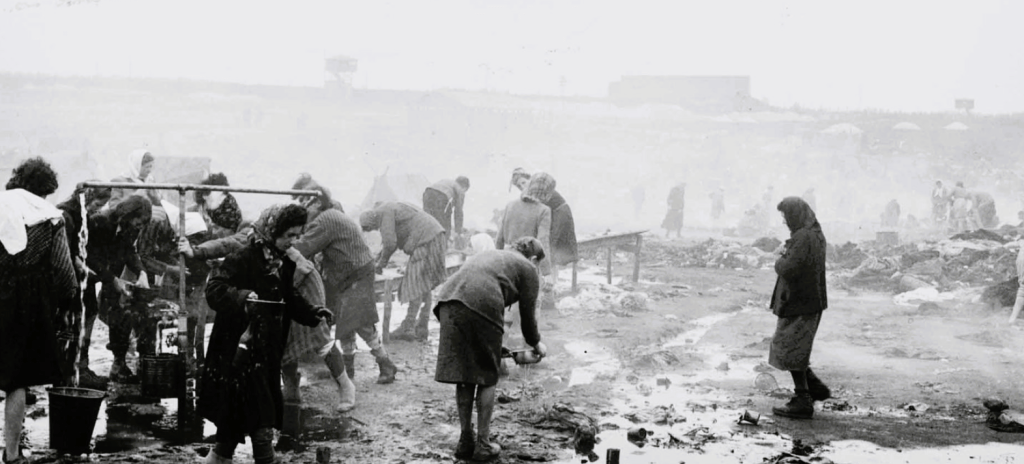
Bergen-Belsen, established initially as a prisoner-of-war camp in 1940, was later transformed into a concentration camp in 1943. Located in Lower Saxony, Germany, near the town of Bergen, it was initially intended to house prisoners for possible exchange with German POWs held by the Allies. Over time, the camp grew significantly and became notorious for its horrific conditions, especially during the final months of the war.
By 1945, the camp was severely overcrowded, lacking adequate food, water, sanitation, and medical care. Diseases such as typhus, tuberculosis, and dysentery were rampant, and mass starvation was common. The inhumane conditions at Bergen-Belsen led to the deaths of tens of thousands of inmates, with estimates ranging from 37,000 to 70,000.
Anne Frank’s Journey to Bergen-Belsen
Anne Frank’s journey to Bergen-Belsen began after the raid on the Secret Annex, where her family had been hiding. Following their arrest, Anne, her sister Margot, and her parents, Otto and Edith Frank, were sent to Westerbork, a transit camp in the Netherlands. They were later deported to Auschwitz-Birkenau in September 1944. Upon arrival, Anne and Margot were separated from their parents and placed in a section for women.
In October 1944, as the Soviet army advanced toward Auschwitz, Anne and Margot were transferred to Bergen-Belsen. Their mother, Edith, was left behind and later died in Auschwitz in January 1945. The transfer to Bergen-Belsen marked the final chapter of Anne and Margot’s lives.
Life in Bergen-Belsen
Life in Bergen-Belsen was unbearable. When Anne and Margot arrived, the camp was already overcrowded, with thousands of inmates suffering from malnutrition, disease, and the harsh winter. The conditions were a stark contrast to the relatively better environment they had experienced in Auschwitz, where they had at least some access to food and shelter.
Anne, who had been physically weakened by her time in Auschwitz, found herself in even more dire circumstances in Bergen-Belsen. The camp was filled with people from all over Europe, and many were sick and dying. The lack of hygiene, coupled with a severe shortage of food and clean water, made survival nearly impossible.
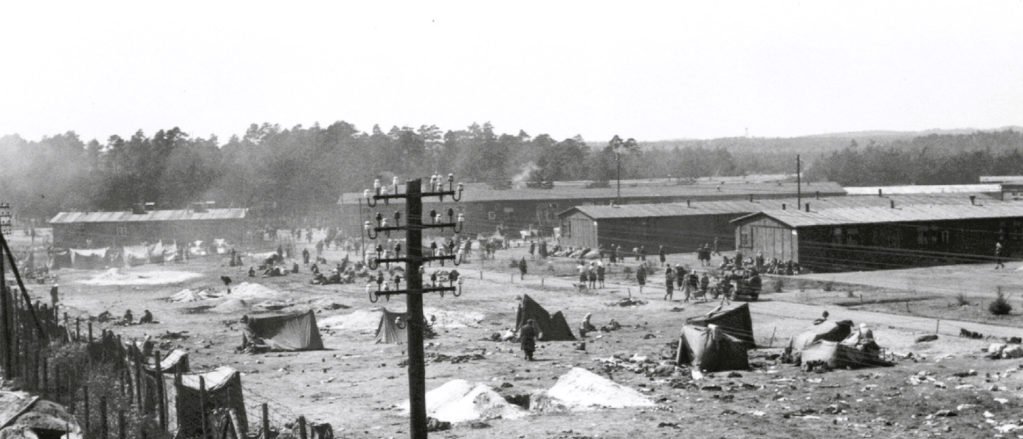
Despite the bleak circumstances, Anne and Margot clung to each other for support. However, as the winter of 1944-1945 progressed, both girls became increasingly frail and sick. The camp was overwhelmed by an outbreak of typhus, a deadly disease spread by lice. The Frank sisters, already weakened by starvation and the harsh conditions, contracted the disease.
Death and Legacy
Anne and Margot Frank died of typhus in Bergen-Belsen in February or March 1945, just weeks before the camp was liberated by British forces on April 15, 1945. The exact dates of their deaths are unknown, but eyewitnesses reported that the sisters died within days of each other. They were buried in one of the many mass graves in the camp, along with thousands of other victims.
The liberation of Bergen-Belsen revealed the full extent of the horrors that had occurred there. British soldiers were confronted with scenes of unimaginable suffering: emaciated survivors, piles of unburied corpses, and the stench of death. The camp was so infested with disease that it had to be burned down to prevent further spread of infection.
Anne Frank’s death at Bergen-Belsen marked the end of a young life full of promise and potential. However, her diary, which was found and preserved by Miep Gies, one of the helpers of the Secret Annex, survived. After the war, Anne’s father, Otto Frank, the only member of the family to survive the Holocaust, made the difficult decision to publish her writings. First released in 1947, “The Diary of a Young Girl” has since been translated into numerous languages and has become one of the most widely read books in the world. Anne’s diary offers an intimate, poignant, and powerful perspective on the life of a young Jewish girl during one of history’s darkest periods.
A poem inspired by one of Anne Frank’s quotes.
“How Wonderful It Is That Nobody Need Wait a Single Moment Before Starting to Improve the World”
Beneath the weight of shadows cast,
Where hope seems distant, fleeting, fast,
A spark within each heart can glow,
A seed of change we all can sow.
No need for time to heal or mend,
No need for storms to find their end,
For in this breath, this very beat,
Lies power to make the world complete.
One act of kindness, small and slight,
Can pierce the darkest, endless night,
A gentle word, a loving hand,
Can spread like light across the land.
How wonderful it is to see,
That change begins with you, with me,
No need to wait, no need to pause,
To lift the world, to help the cause.
So let us rise, each soul, each voice,
In every moment, make the choice,
To turn the tide, to mend, to care,
And fill the world with love to share.
Sources
https://www.annefrank.org/en/timeline/86/anne-margot-and-auguste-are-taken-to-bergen-belsen/
https://teacher.scholastic.com/frank/bergen.htm
Donation
Your readership is what makes my site a success, and I am truly passionate about providing you with valuable content. I have been doing this at no cost and will continue to do so. Your voluntary donation of $2 or more, if you are able, would be a significant contribution to the continuation of my work. However, I fully understand if you’re not in a position to do so. Your support, in any form, is greatly appreciated. Thank you. To donate, click on the credit/debit card icon of the card you will use. If you want to donate more than $2, just add a higher number in the box left from the PayPal link. Your generosity is greatly appreciated. Many thanks.
$2.00

 History of Sorts
Leave a comment