
Anne Frank’s schoolmates played a significant role in her early life, forming a close circle of friends that shared childhood dreams, games, and conversations during a turbulent time
Anne Frank attended two main schools in Amsterdam before she and her family went into hiding:
Montessori School (from 1934 to 1941)
Jewish Lyceum (from 1941 to 1942)
Since Jewish students were banned from public schools in 1941, Anne had to transfer to the Jewish Lyceum, a segregated school established for Jewish students. Here’s some information on a few of Anne’s schoolmates, especially those she mentioned in her diary or are known through historical accounts:

Jacqueline van Maarsen, affectionately known as “Jopie” by Anne Frank, was one of Anne’s closest friends before the Frank family went into hiding during World War II. Born on January 30, 1929, in Amsterdam to a Jewish father and a French Catholic mother, Jacqueline grew up in a multicultural and tolerant household. Her friendship with Anne would become one of the most notable connections of Anne’s life, and Jacqueline’s own memories would later serve as an invaluable contribution to preserving Anne Frank’s legacy. Despite the separation imposed by the Nazi occupation, Jacqueline’s life was indelibly shaped by her bond with Anne, and her perspective as Anne’s friend offers a unique insight into the life of one of the Holocaust’s most iconic figures.
Early Life and Friendship with Anne Frank
Jacqueline van Maarsen’s life before the war was one of relative comfort and safety. Her mother, a French Catholic, had not been raised in the Jewish tradition, and Jacqueline herself initially held only a minimal understanding of her Jewish heritage. However, as antisemitic laws intensified under Nazi occupation, she found herself increasingly restricted due to her Jewish identity, regardless of her family’s complex religious background. It was in this tense political climate that Jacqueline met Anne Frank when they both attended the Sixth Montessori School in Amsterdam in the late 1930s.
Anne and Jacqueline bonded quickly, with Anne often affectionately referring to her as “Jopie” in her diary. They shared many typical childhood experiences and dreams and spent afternoons together at each other’s homes. In her recollections, Jacqueline described Anne as a lively, charismatic girl with a talent for storytelling and an ability to make friends easily. Anne’s diary also reflects the depth of her affection for Jacqueline, noting the joy she found in their friendship. Anne wrote of Jacqueline as one of her most cherished friends, a testament to the special bond the two shared.
Forced Separation and Life at the Jewish Lyceum
The escalating restrictions on Jews in the Netherlands dramatically altered the lives of both girls. In 1941, Jewish students were banned from attending public schools, and both Anne and Jacqueline were forced to transfer to the Jewish Lyceum, an Amsterdam school created specifically for Jewish children. This shift marked a drastic change in their daily routines and friendships, as they were isolated from the larger Dutch community. Despite this upheaval, Jacqueline and Anne remained close. The time they spent together at the Jewish Lyceum provided Jacqueline with intimate memories of Anne’s personality, her sense of humor, and her aspirations.
In 1942, as restrictions grew ever more severe, Anne’s family went into hiding in the Secret Annex. Jacqueline was not informed about Anne’s disappearance beforehand, and she learned only later that her friend was hiding. Anne’s sudden absence was distressing to Jacqueline, who was left with little information about her friend’s whereabouts and feared for her safety.
Survival During the Holocaust
While Anne and her family struggled in hiding, Jacqueline’s life was marked by a different, albeit perilous, experience of the Nazi occupation. Due to her mother’s Catholic background, Jacqueline was able to avoid deportation despite her Jewish heritage, as her family successfully argued that she should not be classified as fully Jewish. This classification allowed her some protection, which proved to be a lifesaving distinction during the Nazi occupation. Tragically, many of Jacqueline’s classmates from the Jewish Lyceum were not as fortunate and were deported to concentration camps.
Jacqueline’s Life After the War and Her Legacy
In the aftermath of the war, Jacqueline learned the heartbreaking news of Anne Frank’s death in the Bergen-Belsen concentration camp in early 1945. This loss weighed heavily on her, as she came to terms with the cruel fate that had befallen her friend and so many others in their community. When Anne’s diary was published by Otto Frank in 1947, Jacqueline recognized the world’s fascination with Anne’s story, and she eventually chose to contribute her own memories and reflections.
Jacqueline was initially reluctant to speak publicly about her friendship with Anne. However, over time, she recognized the importance of sharing her memories, not only as a tribute to her friend but also as a testament to the impact of the Holocaust on young lives. Jacqueline published several books and essays recounting her memories of Anne, including her 1995 memoir, My Name is Anne, She Said, Anne Frank. Through these writings, Jacqueline offered the world a unique perspective on Anne’s life, sharing stories of their school days, their laughter, and the small joys they found despite the harrowing circumstances of their youth.
Throughout her life, Jacqueline has been a vocal advocate for Holocaust education and remembrance, visiting schools and museums to discuss her experiences and her memories of Anne. Her contributions are significant not only for the personal insight they provide into Anne’s character but also for the emphasis they place on understanding the human impact of discrimination, war, and loss.

Jacqueline van Maarsen’s life is a poignant reminder of the deep personal connections that were torn apart during the Holocaust. Her memories of Anne Frank add a unique dimension to the story told in The Diary of a Young Girl, bringing to life the friendship, laughter, and dreams that persisted even amid growing terror. Jacqueline’s story is one of resilience and remembrance. She has spent much of her life honoring Anne’s memory, helping to ensure that the world never forgets the girl behind the famous diary. Through Jacqueline van Maarsen, Anne Frank’s spirit lives on, inspiring generations to understand the importance of friendship, compassion, and the fight against intolerance.
Nanette Blitz Konig was a Holocaust survivor whose life was forever changed by the Nazi occupation of the Netherlands during World War II. As a classmate and friend of Anne Frank, Nanette’s story adds another layer of depth to our understanding of Anne’s life and the devastating impact of the Holocaust on young people. Through her own experiences in the Bergen-Belsen concentration camp and her survival, Nanette’s life provides a harrowing and inspiring testament to resilience, remembrance, and the importance of sharing Holocaust stories.
Early Life and Friendship with Anne Frank
Nanette Blitz was born on April 6, 1929, in Amsterdam to a Jewish family. Like many Jewish children in the Netherlands, her early life was largely peaceful and filled with ordinary experiences of school, friends, and family gatherings. Nanette and Anne Frank became acquainted as classmates at the Sixth Montessori School in Amsterdam. Their friendship blossomed in the early 1940s when they were both in their early teens, sharing school activities, lessons, and conversations. Anne was known for her outgoing, lively personality, while Nanette was thoughtful and reflective, and the two became close friends.
In 1941, the Nazi occupation imposed new restrictions on Jewish people in the Netherlands, prohibiting Jewish students from attending regular schools. Like many of her Jewish peers, Nanette was transferred to the Jewish Lyceum, where she once again became classmates with Anne Frank. This transition marked a difficult time in her life, as the rights and freedoms of Jewish citizens were increasingly stripped away under the Nazi regime.
The Impact of the Nazi Occupation and Anne’s Disappearance
The Blitz family, like many Jewish families, faced tremendous hardships during the occupation, enduring oppressive restrictions, curfews, and a climate of fear. Despite these challenges, Nanette tried to maintain a sense of normalcy. Her friendship with Anne provided a source of comfort and familiarity, especially as their world grew more constrained. However, in 1942, Anne Frank and her family suddenly disappeared without warning. Unbeknownst to Nanette, the Franks had gone into hiding to avoid deportation, taking refuge in the now-famous Secret Annex. Anne’s absence left a painful gap in Nanette’s life, and she was left wondering about the fate of her dear friend.
Arrest and Deportation
In 1943, Nanette and her family were arrested by the Nazis. After a period in the Westerbork transit camp, they were deported to the Bergen-Belsen concentration camp in Germany, where they endured appalling conditions, starvation, and disease. Bergen-Belsen was notorious for its overcrowded barracks and lack of basic hygiene, leading to rampant illness and death among the prisoners. Nanette’s experiences in the camp were marked by immense suffering, both physical and emotional, as she witnessed the inhumane treatment of fellow prisoners and the devastation of life around her.
In a tragic yet remarkable twist of fate, Nanette encountered Anne Frank again at Bergen-Belsen in early 1945, shortly before Anne’s death. The two friends, now emaciated and struggling to survive, managed a brief conversation through a barbed-wire fence. Anne, weakened and ill, confided to Nanette the hardships she had faced in hiding and the despair she felt in the camp. This encounter left an indelible mark on Nanette, who saw firsthand the effects of the brutal conditions on her friend. Shortly afterward, Anne succumbed to typhus, leaving Nanette one of the last people to see her alive.
Surviving the Holocaust and Rebuilding a Life
Nanette’s liberation from Bergen-Belsen in April 1945 by British forces was the beginning of a long journey toward recovery. After surviving starvation, disease, and unimaginable trauma, she faced the daunting task of rebuilding her life. Many of her family members and friends, including Anne Frank, had perished in the Holocaust, leaving Nanette with a deep sense of loss and survivor’s guilt. Determined to forge a new path, she eventually emigrated to South America, where she met and married John Konig, and they settled in Brazil.
For many years, Nanette was reluctant to speak publicly about her experiences. The pain and trauma of her memories were deeply personal, and like many Holocaust survivors, she struggled with the emotional toll of reliving the horrors she had endured. However, as Holocaust denial and revisionist narratives began to surface, Nanette recognized the importance of sharing her story. She saw it as a duty to honor those who did not survive and to educate future generations about the dangers of hatred and discrimination.
Sharing Her Story and Legacy
In her later years, Nanette Blitz Konig became a powerful voice for Holocaust remembrance, sharing her experiences with audiences around the world. She gave numerous talks in schools, museums, and universities, recounting her friendship with Anne Frank, her experiences in Bergen-Belsen, and the lessons she believed should be learned from the Holocaust. Her story became part of a larger mission to combat prejudice and promote tolerance, helping young people understand the real consequences of discrimination and persecution.
In 2018, she published a memoir, Holocaust Memoirs of a Bergen-Belsen Survivor & Classmate of Anne Frank, which detailed her experiences and provided an intimate account of the tragedies she endured. Her memoir serves not only as a historical document but also as a tribute to her friend Anne Frank, whose life and legacy she continued to honor.
Conclusion
Nanette Konig’s life story is a powerful reminder of the resilience of the human spirit and the importance of bearing witness to history. Her friendship with Anne Frank connects her to one of the most famous Holocaust narratives, yet her own story is equally significant, highlighting the broader experiences of Jewish children and families who suffered under the Nazi regime. Through her courage in sharing her story, Nanette has contributed profoundly to Holocaust education, ensuring that the memories of those who perished are preserved and that the lessons of that dark time remain relevant.
Nanette Konig’s dedication to speaking out against intolerance and preserving the memory of Anne Frank and other Holocaust victims is a testament to her strength and resilience. Her story urges future generations to remember the past and to stand up against injustice, intolerance, and hatred in all its forms. Through her legacy, Nanette Konig has ensured that the world will continue to remember the lives lost and the friendships, like hers and Anne’s, that were tragically cut short.

Susanne “Sanne” Ledermann was one of Anne Frank’s closest friends, part of the small group of children who shared her early years and witnessed the mounting difficulties faced by Jews in Nazi-occupied Amsterdam. Born into a talented and culturally vibrant Jewish family, Sanne had a promising future ahead of her—a future that was tragically interrupted by the Holocaust. Her life and friendship with Anne, as well as her untimely death, offer insight into the experiences of young Jewish children whose lives were irrevocably changed by persecution. Although Sanne’s story is less well-known than Anne’s, it remains an essential part of the historical narrative, providing a personal and heartbreaking glimpse into the impact of the Holocaust on young lives.
Early Life and Family Background
Susanne Ledermann was born on October 7, 1928, in Berlin, Germany, to a family of Jewish intellectuals. Her father, Franz Ledermann, was a prominent lawyer, and her mother, Ilse Ledermann, was a talented pianist. Growing up in a culturally rich environment, Sanne was surrounded by music, literature, and intellectual discussions, which nurtured her own curiosity and creativity. The Ledermanns were part of Berlin’s assimilated Jewish community, where many families embraced German culture while maintaining their Jewish identity.
As anti-Semitism and Nazi policies escalated in Germany in the 1930s, the Ledermann family, like many other Jewish families, felt increasingly unsafe. In 1933, following Hitler’s rise to power, they made the difficult decision to leave Germany and moved to Amsterdam, where they hoped to find safety and freedom. It was in Amsterdam that Sanne’s life intersected with that of Anne Frank, and the two girls quickly became friends.
Friendship with Anne Frank
Upon moving to Amsterdam, Sanne enrolled at the Sixth Montessori School, where she met Anne Frank and Hanneli Goslar. The three girls became close friends and spent much of their time together, sharing their school experiences, aspirations, and everyday conversations. Known for her intelligence, warmth, and gentle personality, Sanne was a beloved member of her group of friends. While Anne was outgoing and outspoken, Sanne was thoughtful and introspective, which created a balance in their friendship.
In her diary, Anne Frank affectionately mentions Sanne as a key member of her circle of friends, calling them her “Ping-Pong Club.” They spent countless afternoons playing table tennis and other games, seeking moments of joy and normalcy in a world that was increasingly overshadowed by fear and discrimination. Sanne’s friendship with Anne provided both girls with a sense of support and comfort during the challenging times of the Nazi occupation. They shared a connection that allowed them to navigate the difficulties of adolescence even as the world around them became increasingly hostile.
The Impact of Nazi Occupation and Growing Restrictions
Life became increasingly difficult for Jewish families in the Netherlands after the German invasion in 1940. Anti-Semitic laws were soon enacted, restricting Jews from public life, banning them from public spaces, and forcing them to wear the yellow Star of David. In 1941, Jewish students were no longer permitted to attend regular schools, and Sanne, along with Anne, was transferred to the Jewish Lyceum. This school segregation isolated the girls from much of their previous social circles and confined them to a restricted community.
The Ledermanns, like many Jewish families, faced immense challenges under these new laws. As the Nazi grip tightened, the threat of deportation loomed over the Jewish community in Amsterdam. Sanne’s father, Franz, was a well-known figure, and his professional connections offered a brief sense of protection, yet they could do little to stop the inevitable danger the family faced.
Arrest and Deportation
In the summer of 1943, the Ledermann family’s worst fears came to pass. Along with thousands of other Jewish families, they were arrested and taken to the Westerbork transit camp in the northeastern Netherlands. Westerbork was a holding camp where Jews were temporarily detained before being deported to concentration camps in Eastern Europe. Life at Westerbork was harsh and uncertain, and the family endured difficult conditions, holding on to hope in the face of an increasingly bleak future.
In November 1943, after several months in Westerbork, the Ledermann family was deported to Auschwitz, the notorious concentration and extermination camp in Poland. For Sanne, who was only fifteen years old, the journey to Auschwitz marked the end of her childhood and the beginning of a terrifying ordeal. Auschwitz was infamous for its brutality, and prisoners faced starvation, forced labor, and horrific living conditions. Tragically, like so many other young Jewish children, Sanne did not survive. It is believed that she, along with her parents, was murdered in Auschwitz in 1943.
Remembering Sanne Ledermann’s Legacy
Sanne’s life, though tragically brief, is remembered through the memories and writings of those who knew her, especially Anne Frank. Anne’s diary entries provide a glimpse into the friendship she shared with Sanne, preserving moments of laughter, companionship, and innocence that the two girls shared before their lives were shattered. While Sanne herself did not leave behind a diary or personal writings, her story lives on through Anne’s reflections and the memories of their friendship.
Sanne’s story is representative of countless young lives lost during the Holocaust. Her potential, her dreams, and her future were stolen, along with the futures of millions of other children. Through Anne Frank’s diary and the recollections of those who knew her, Sanne is remembered not only as a friend of Anne but also as an individual who deserved the chance to live a full life.
In addition to Anne Frank’s diary, Sanne’s memory has been honored in Holocaust memorials and museums around the world, serving as a reminder of the devastating consequences of hatred and prejudice. The lives of children like Sanne, who were denied the opportunity to grow, learn, and contribute to the world, underscore the importance of Holocaust education and remembrance. By remembering Sanne, we honor her life and the lives of all children who were victims of the Holocaust.
Susanne “Sanne” Ledermann was a girl with boundless potential and a warm heart, whose life was cut tragically short by the horrors of the Holocaust. Her friendship with Anne Frank was a source of joy for both girls, a light in a time of darkness, and an enduring example of the bonds that persist even in the face of cruelty. While Sanne’s life ended far too soon, her story continues to remind us of the importance of compassion, tolerance, and vigilance against hatred. Her memory serves as a testament to the countless young lives that were stolen during the Holocaust, and it reminds us of the vital responsibility to ensure that such a tragedy is never repeated.
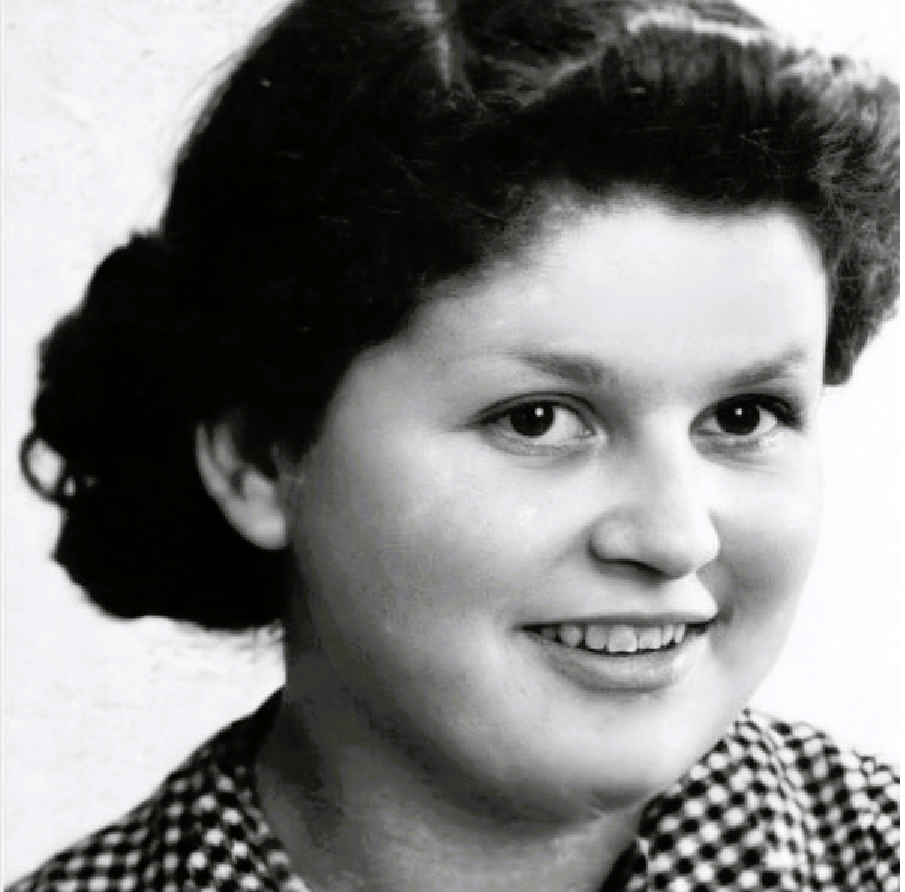
Ilse Wagner was one of Anne Frank’s early friends, part of a tight-knit group of Jewish children in Amsterdam who shared their school days, dreams, and youthful adventures before the Nazi occupation turned their world upside down. Though not as widely known as Anne Frank or her closest friends Hanneli Goslar and Jacqueline van Maarsen, Ilse Wagner played an important role in Anne’s life, and her story is a poignant reminder of the countless young lives affected and ultimately lost during the Holocaust. Ilse’s friendship with Anne, her experiences as a young Jewish girl in Nazi-occupied Amsterdam, and her tragic fate underscore the devastating toll the Holocaust took on families, friendships, and futures.
Early Life and Family Background
Ilse Wagner was born on August 16, 1929, in Amsterdam, Netherlands. Like many other Jewish families at the time, the Wagners were deeply integrated into Dutch society, contributing to its rich cultural and social fabric. Ilse’s family, which included her parents and an older sibling, lived a relatively normal life in Amsterdam prior to the Nazi occupation. They were active members of the Jewish community and were committed to providing Ilse with a good education and a stable home life.
Ilse attended the Sixth Montessori School, where she met Anne Frank and the other girls who would become her close friends. Like Anne, Ilse was bright, curious, and friendly. She shared a connection with Anne and the other girls in their group, enjoying afternoons of laughter, play, and conversations about their lives, interests, and aspirations. The friendships that Ilse formed during these years would come to define a period of her life filled with warmth, innocence, and camaraderie, qualities that would later stand in stark contrast to the realities of life under Nazi rule.
Friendship with Anne Frank
Ilse was part of Anne’s close-knit circle of friends, which included Jacqueline van Maarsen, Hanneli Goslar, and Susanne Ledermann. Anne referred to this group in her diary, and the friends formed what Anne called her “Ping-Pong Club,” a gathering of young teens who met to play table tennis and other games, finding a sense of joy and normalcy amidst the growing anti-Semitic tensions in Europe. These friendships provided Anne, Ilse, and the others with a temporary escape from the increasing restrictions that were being imposed on Jewish people in Amsterdam.
As Anne describes in her diary, Ilse was a kind and loyal friend, someone with whom she could share the highs and lows of adolescence. Although Anne’s diary does not go into extensive detail about Ilse’s personality, it is clear that she held an important place in Anne’s life. Ilse’s friendship was a source of comfort and stability during an uncertain time, when the children were aware of the dangers facing their families but tried to hold onto their youthful optimism.
The Impact of Nazi Occupation
Life changed dramatically for Jewish families in Amsterdam after the Nazis invaded the Netherlands in May 1940. Anti-Semitic laws were swiftly imposed, curtailing the rights of Jewish citizens and isolating them from Dutch society. Jewish children, including Ilse and her friends, were forced out of public schools and sent to separate Jewish schools in 1941. This segregation disrupted Ilse’s education and limited her social circle to other Jewish children, as she was barred from participating in the activities and spaces previously open to her.
As the occupation continued, Jewish families like the Wagners were subjected to severe restrictions, including curfews, limitations on where they could shop, and the requirement to wear yellow stars to identify themselves as Jews. By 1942, the deportations of Jews to concentration camps had begun, casting a pall of fear and uncertainty over the community. For young people like Ilse, these changes were disorienting and frightening, stripping away the security and familiarity of their childhoods.
Deportation and the Tragic End
In 1943, the Wagners, like many Jewish families in Amsterdam, were taken from their home and sent to the Westerbork transit camp, where thousands of Jews awaited deportation to concentration camps in Eastern Europe. The conditions at Westerbork were harsh and crowded, with families living in constant fear of being called for deportation. Despite the trauma and hardship, families tried to stay together and provide comfort to one another.
Later that year, Ilse and her family were deported to Sobibor, It is believed that Ilse was murdered on April 3, 1943 in Sobibor, though the exact date of her death remains uncertain. Like many young Jewish children, Ilse’s life ended tragically, her potential and dreams cut short by the atrocities of the Holocaust.
Legacy and Memory
While Ilse Wagner did not leave behind a diary or other personal writings, her memory lives on through the accounts of her friends and the documentation of Holocaust survivors and historians. Anne Frank’s diary provides a glimpse into their friendship and the bond they shared during their childhood years, allowing readers to see Ilse as a real person with hopes, fears, and a close-knit group of friends. Through Anne’s words, we catch a fleeting glimpse of the young girl Ilse was—a beloved friend who brought joy and companionship to those around her.
The memory of Ilse Wagner and others like her serves as a reminder of the incalculable loss inflicted by the Holocaust. Each life lost represented not just an individual, but a unique story, a family, a future that would never come to be. Ilse’s story is representative of the countless children who were denied the chance to grow up, pursue their dreams, and contribute to the world. Her life and the lives of her friends underscore the importance of Holocaust education and remembrance, ensuring that such tragedies are not forgotten or repeated.
Ilse Wagner was a young girl who, like her friend Anne Frank, deserved a life of promise, happiness, and fulfillment. Her friendship with Anne was a source of joy for them both, a respite from the dangers and injustices they faced as Jewish children in Nazi-occupied Amsterdam. Though her life was cut tragically short, Ilse’s story reminds us of the resilience of young spirits and the deep personal losses suffered during the Holocaust.
Remembering Ilse Wagner is more than recalling a historical tragedy; it is a commitment to honor the lives of all the children and families who perished during the Holocaust. Her story, preserved through Anne Frank’s reflections, continues to educate and inspire, urging us to reject hatred and to build a world where every child can grow up in peace and freedom. Through the memory of Ilse Wagner, we are reminded of the importance of compassion, understanding, and the enduring impact of friendship.
Sources
https://yoursannefrank.tumblr.com/
https://www.jewishbookcouncil.org/book/a-friend-called-anne
https://www.jacquelinevanmaarsen.nl/biography.html
https://research.annefrank.org/en/personen/f5df9355-f5f5-4c81-ae21-e25305f0046a/
https://www.joodsmonument.nl/en/page/183776/susanna-ledermann
https://encyclopedia.ushmm.org/content/en/id-card/susanne-ledermann
https://research.annefrank.org/en/personen/8512cad7-870d-4d3c-b6f7-42441c550aec/
https://www.findagrave.com/memorial/20694757/ilse-wagner
Donation
Your readership is what makes my site a success, and I am truly passionate about providing you with valuable content. I have been doing this at no cost and will continue to do so. Your voluntary donation of $2 or more, if you are able, would be a significant contribution to the continuation of my work. However, I fully understand if you’re not in a position to do so. Your support, in any form, is greatly appreciated. Thank you. To donate, click on the credit/debit card icon of the card you will use. If you want to donate more than $2, just add a higher number in the box left from the PayPal link. Your generosity is greatly appreciated. Many thanks.
$2.00
 History of Sorts
Leave a comment