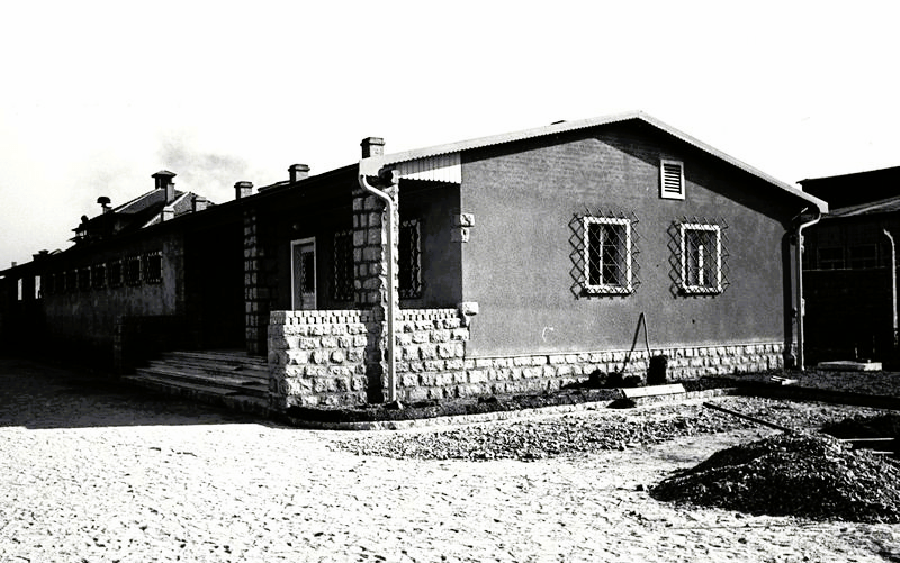
When we think of Nazi concentration camps, our minds often conjure images of mass extermination, terror, and starvation. The haunting images of piles of corpses at Bergen-Belsen and the crematoriums of Auschwitz are etched into our collective memory. However, in the final years of the Third Reich’s vast concentration-camp system, the Nazis introduced a disturbing addition: brothels exclusively for the use of prisoners.
It’s not surprising that historians largely overlooked these prisoner brothels for many years.While much has been written about the brothels set up for SS guards, where Jewish women were exploited and raped, the idea of brothels specifically built for prisoners is often seen as almost unthinkable. Yet, since the 1990s, scholars have begun to uncover evidence of these so-called Sonderbauten (special buildings), revealing a grim chapter of the Nazi regime that had been previously ignored or minimized.
During the Holocaust, the Nazi regime orchestrated a system of unimaginable brutality and dehumanization, including the establishment of brothels in concentration camps. Known as “Sonderbauten” or “special buildings,” these brothels were part of a broader effort to manipulate and control camp prisoners through exploitation, humiliation, and coercion. The existence of these brothels reveals another layer of the inhumanity and moral corruption that characterized the Nazi regime.
Origins and Purposes
The idea of establishing brothels in concentration camps originated in 1942 under the direction of Heinrich Himmler, leader of the SS. Himmler implemented the program as part of the Nazis’ broader system of rewards and punishments for prisoners. The brothels were intended primarily for male prisoners deemed “productive” and who had cooperated with camp authorities. These rewards were designed to increase prisoner compliance and incentivize higher labor output in an environment of relentless suffering and deprivation.
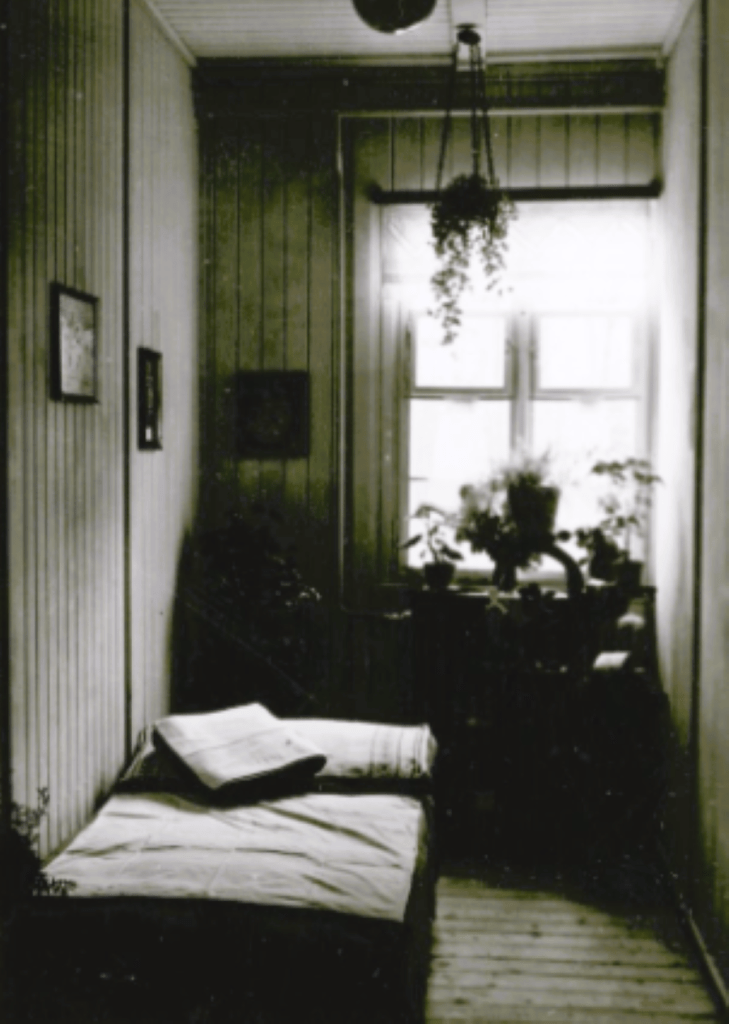
In total, brothels were established in ten concentration camps, including Auschwitz, Buchenwald, Dachau, and Mauthausen. The first of these opened in Mauthausen in 1942, with others following shortly thereafter. These facilities were euphemistically referred to as “special barracks” and were heavily controlled and monitored by SS officers.
The Nazis established more than 500 brothels across occupied Europe, including in concentration and extermination camps. More than 34,000 girls and women were trafficked and raped at these sites, mostly by German soldiers and Nazi police. The brothels also served as a “reward” for forced laborers and prison leaders, as well as a cruel mechanism to attempt to “cure” gay men who were forced to make compulsory visits. Such gender-based violence and dehumanization occurred at every level of the Nazi camp system, with female inmates being subjected to frequent strip searches as well as forced abortions and sterilization.
The Women Forced Into Service
The women coerced into working in the brothels were primarily concentration camp prisoners themselves, many of whom were already subject to systemic sexual violence within the camp system. Some were Jewish, but others were political prisoners, Romani women, and individuals deemed “asocial” by the Nazis. SS officers often recruited these women under pretenses, promising better treatment, lighter workloads, or even freedom in exchange for their participation. In reality, they faced horrific abuse, physical violence, and severe psychological trauma.
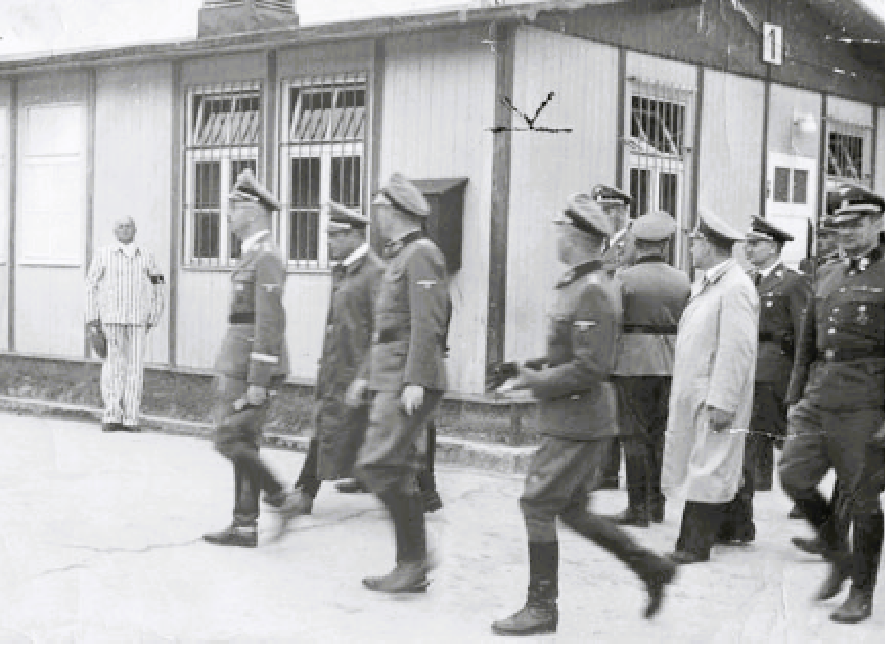
Himmler in front of Block 1 during a 1941 visit to the concentration
camp Mauthausen, where the first camp brothel was later installed
Source: Archives of the Mauthausen Memorial.
Women in the camp brothels were treated as expendable commodities. They were subjected to strict rules, denied personal autonomy, and endured brutal conditions. The medical experimentation and forced sterilizations prevalent in other areas of the camps extended to these women, further compounding their suffering. Many died from disease, maltreatment, or sheer exhaustion.
The Clients and Their Experiences
The male prisoners allowed access to the brothels were primarily non-Jewish and deemed loyal or useful by camp authorities. The Nazis explicitly excluded Jewish prisoners from these so-called privileges, reflecting the regime’s deeply entrenched anti-Semitic ideology. Access to the brothels was granted through a voucher system, with prisoners receiving tickets as rewards for exceptional work or compliance.
Visits to the brothels were strictly controlled. Prisoners were allotted only 15 minutes, and any deviation from this timeframe could result in punishment. The experience for most was transactional and degrading, underscoring the complete dehumanization of individuals within the camp system.
Brothels as a Tool of Control
The camp brothels served multiple purposes for the Nazis beyond their superficial role as a reward system. They were a means of fostering division among prisoners, as access to the brothels created a hierarchy that incentivized betrayal and compliance. This dynamic weakened solidarity among inmates, reducing the likelihood of organized resistance.
Additionally, the existence of the brothels fit within the Nazi regime’s warped worldview, which viewed sexual violence as a legitimate instrument of power and control. By exploiting and degrading women in the most intimate and brutal ways, the regime reinforced its domination and stripped away the humanity of its victims.
Legacy and Recognition
The brothels in Nazi concentration camps remain a relatively underexplored aspect of Holocaust history, overshadowed by mass killings and other forms of systemic violence. Survivors who endured the brothels often faced stigma and silence in the postwar years, further marginalizing their experiences. In recent decades, however, historians and scholars have begun to examine this chapter in greater depth, shedding light on the profound suffering and resilience of those involved.
The brothels stand as a stark reminder of the Nazis’ capacity for cruelty and the far-reaching depths of their moral depravity. They highlight how systems of oppression weaponize even the most personal aspects of human life to further their agendas of control and dehumanization. As the world continues to grapple with the legacy of the Holocaust, it is vital to remember and honor the voices of all its victims, including those whose stories have remained hidden for so long.
The brothels in Nazi concentration camps represent one of the many horrors inflicted during the Holocaust, encapsulating the systematic dehumanization and exploitation that defined the Nazi regime. By examining this dark chapter, we gain a fuller understanding of the multifaceted suffering endured by victims and the extent of the regime’s inhumanity. Their stories underscore the importance of remembrance and education in ensuring that such atrocities are never repeated.
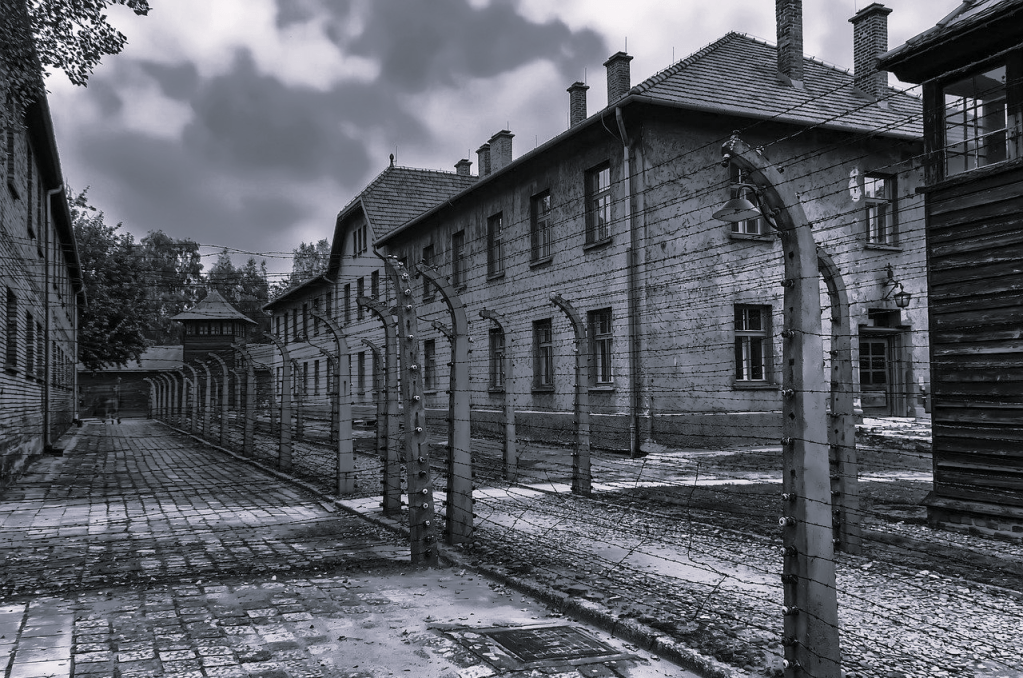
Auschwitz
In June 1943, a brothel, referred to as “Puff” (a German term for brothel), was established in Block 24 of the Auschwitz main camp. The price for using the services of the women working there was two marks, the equivalent of a pack of cigarettes in the camp, and prisoners needed a coupon to access it. All male prisoners, with the exception of Jewish prisoners, were allowed to use the brothel once a week. The brothel operated for several hours after the evening roll call and had extended hours on Sundays.
There are different interpretations as to why the brothel was created. One theory is that it was intended as a reward for prisoners’ hard work, offering them a means to fulfill their sexual needs in a controlled environment, which could not otherwise be met in the brutal conditions of the camp. Another interpretation suggests that the brothel was a strategy to combat homosexuality, which was considered an “unacceptable deviation” by the Nazis and could lead to punishment or exile to concentration camps. Some historians also argue that the brothel was created primarily for the benefit of the SS guards and camp staff, potentially aimed at preserving the dignity of the female prisoners forced into this role.
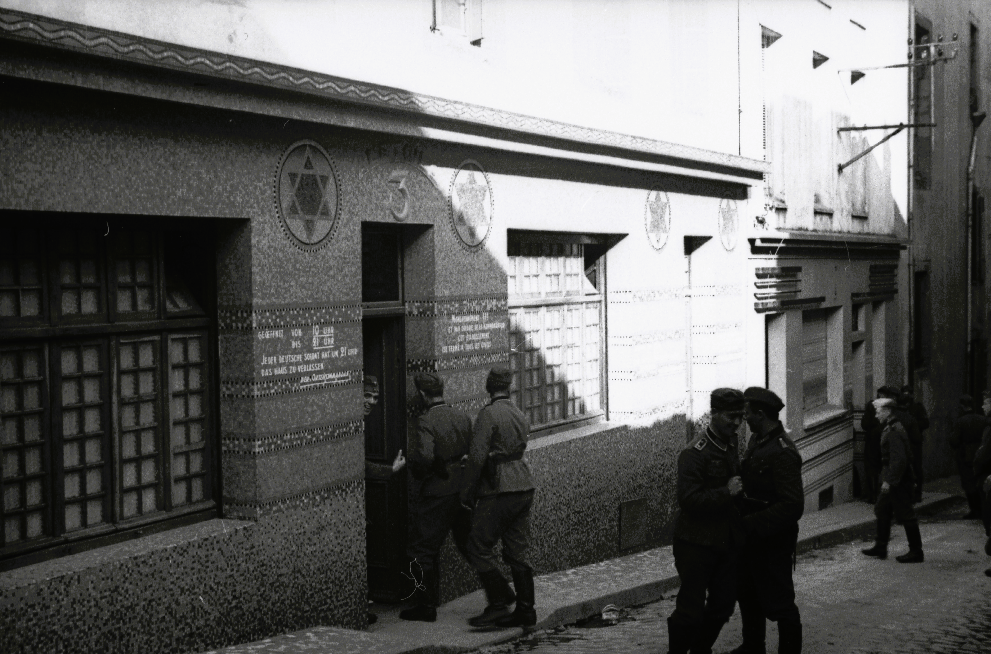
Brothel in a Synagogue
The synagogue in Brest was repurposed by the Nazis for various purposes, including the creation of a brothel. The exact timeline and details of its transformation are somewhat unclear, but it is known that the Nazis used the synagogue for this purpose during the early years of the occupation. The fact that the brothel was located in a sacred Jewish space adds a layer of insult to the atrocity, as it reflects the Nazis’ complete disregard for Jewish culture, religion, and humanity. The destruction and desecration of synagogues across Europe during the Holocaust were not uncommon, and turning one into a brothel further exemplifies the brutal and humiliating actions taken by the occupiers.
Sources
https://khc.qcc.cuny.edu/camps/part-4b-womens-camps/
https://www.buchenwald.de/en/geschichte/historischer-ort/konzentrationslager/lagerbordell
https://www.dw.com/en/new-book-reveals-horrors-of-brothels-in-nazi-concentration-camps/a-4581173
https://link.springer.com/chapter/10.1057/9780230234291_7
Donation
Your readership is what makes my site a success, and I am truly passionate about providing you with valuable content. I have been doing this at no cost and will continue to do so. Your voluntary donation of $2 or more, if you are able, would be a significant contribution to the continuation of my work. However, I fully understand if you’re not in a position to do so. Your support, in any form, is greatly appreciated. Thank you. To donate, click on the credit/debit card icon of the card you will use. If you want to donate more than $2, just add a higher number in the box left from the PayPal link. Your generosity is greatly appreciated. Many thanks.
$2.00

 History of Sorts
Leave a comment