
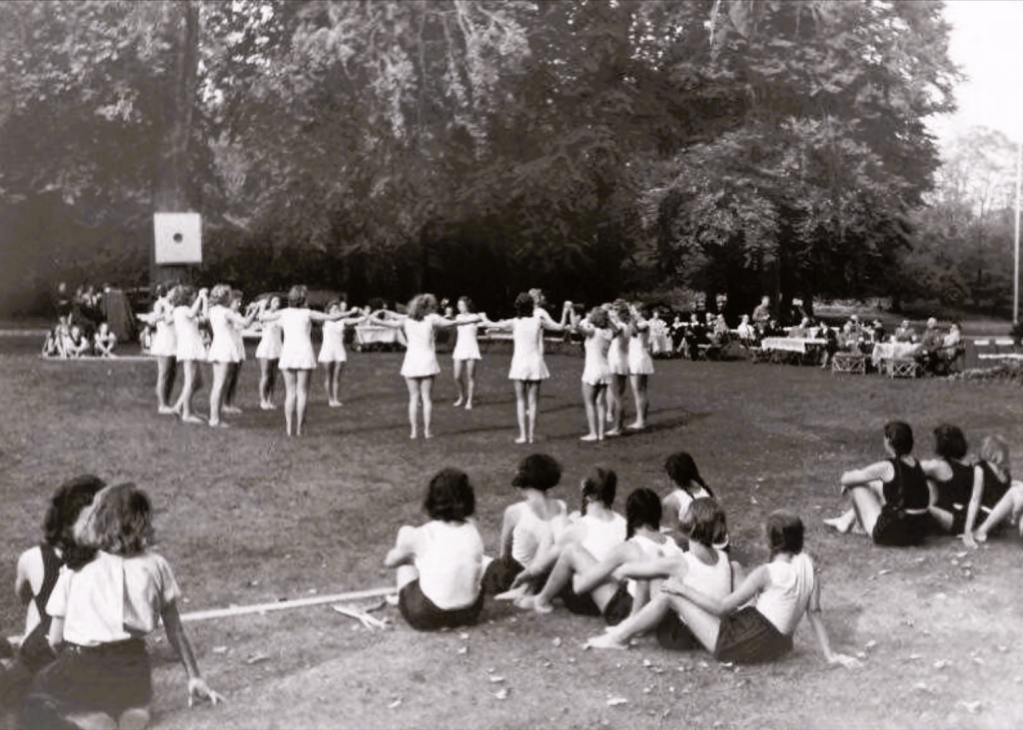
Brigitte Eicke was a German girl who also kept a diary during the war, but her life was vastly different from Anne’s. As a member of the Nazi Youth organization, her perspective reflects the indoctrinated worldview of an average German child living under the Nazi regime. Brigitte’s diary entries, unlike Anne’s, are generally more mundane, often describing school, family life, and social activities. Her writings lack awareness of the atrocities being committed, offering a stark contrast to Anne’s intimate knowledge of suffering. Brigitte’s perspective highlights the normalization of life for non-Jewish Germans who were largely shielded from the horrors of the Holocaust.
The juxtaposition of Anne Frank’s and Brigitte Eicke’s diaries illuminates the profound disparities between the lives of Jewish people under Nazi persecution and ordinary German citizens. Anne’s narrative is marked by a struggle for survival, a longing for freedom, and a keen awareness of injustice, while Brigitte’s reflects a relatively sheltered life shaped by the propaganda and privileges of being part of the dominant group in a totalitarian regime.
Here are some excerpts from Brigitte Eicke’s wartime diary, which provides a glimpse into her life and thoughts during World War II in Berlin:
February 1, 1944:
“The school had been bombed when we arrived this morning. Waltraud, Melitta, and I went back to Gisela’s and danced to gramophone records.”
May 11, 1944:
“Went in BDM (Nazi girl guide) uniform to the Admiral’s Palace to see Madame Butterfly. It was wonderful, my first opera.”
February 27, 1943:
“Waltraud and I went to the opera to see The Four Ruffians. … We walked back to Wittenbergplatz and got on the underground train at Alexanderplatz. Three soldiers started talking to us. Gitti is so silly; she went silent when they spoke to her. The least one could do was answer, even though we weren’t going to go anywhere with them.”
July 20, 1944 (on the failed assassination attempt on Hitler):
“Sunned myself on the roof. Failed assassination on the Führer. In the night, we heard the speeches of the Führer, Dönitz, and Göring. Wonderful.”
May 2, 1945 (on the fall of Berlin):
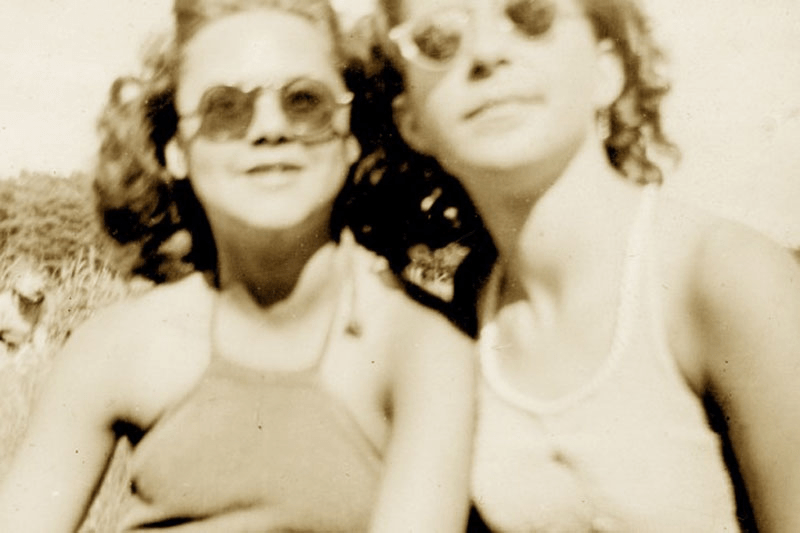
“At 3am, Frau Schöbs came into the cellar and said: the Führer is dead, the war is over. I could only let out a scream… we went on to the street and all the soldiers were withdrawing. It is so sad.”
March 2, 1945:
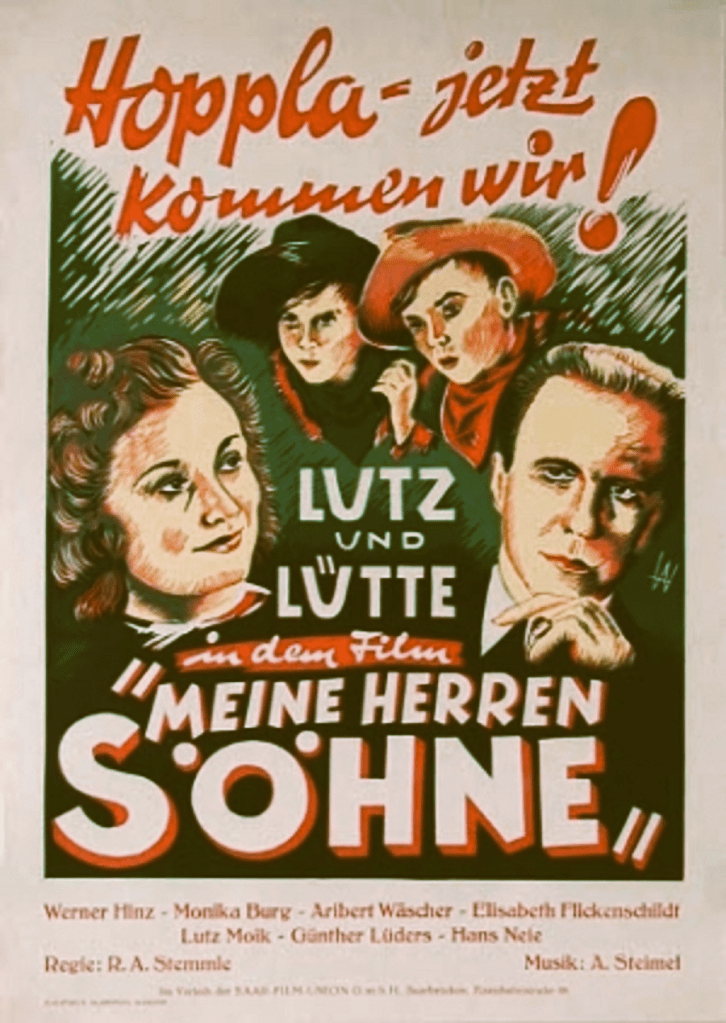
“Margot and I went to the Admiralspalast cinema to see Meine Herren Söhne. It was such a lovely film, but there was a power cut in the middle. How annoying!”
Anne Frank, a Jewish teenager, wrote her famous diary while hiding in an attic in Amsterdam with her family and others to escape Nazi persecution. Her entries offer profound reflections on fear, hope, and humanity. Anne’s writings detail the claustrophobic conditions of hiding, the constant dread of discovery, and her observations about the war’s impact on Jews. Despite her dire circumstances, Anne often expressed remarkable optimism and dreams for a better future.

June 12, 1942 (First entry)
“I hope I will be able to confide everything to you, as I have never been able to confide in anyone, and I hope you will be a great source of comfort and support.”
July 8, 1942
“Margot and I started packing our most important belongings into a schoolbag. The first thing I put in was this diary, then curlers, handkerchiefs, schoolbooks, a comb, and some old letters.”

November 19, 1942
“Paper is more patient than man.”
February 23, 1944
“I can shake off everything as I write; my sorrows disappear, my courage is reborn.”
March 16, 1944
“I’ve reached the point where I hardly care whether I live or die. The world will keep on turning without me, and I can’t do anything to change events anyway.”
July 15, 1944
“It’s difficult in times like these: ideals, dreams, and cherished hopes rise within us, only to be crushed by grim reality. It’s a wonder I haven’t abandoned all my ideals; they seem so absurd and impractical. Yet I cling to them because I still believe, in spite of everything, that people are truly good at heart.”
August 1, 1944 (Final entry)
“I keep on trying to find a way of becoming what I would like to be and what I could be if… there weren’t any other people living in the world.”
______
These differing perspectives underscore the importance of context in understanding historical narratives and offer valuable insights into how individuals from diverse backgrounds experienced the same period in drastically different ways.
Anne Frank was murdered in Bergen Belsen in February or March 1945, around the same time as Brigitte went to the cinema.
Brigitte Eicke is still alive now in her 90s
Sources
https://www.annefrank.org/en/anne-frank/diary/
Donation
Your readership is what makes my site a success, and I am truly passionate about providing you with valuable content. I have been doing this at no cost and will continue to do so. Your voluntary donation of $2 or more, if you are able, would be a significant contribution to the continuation of my work. However, I fully understand if you’re not in a position to do so. Your support, in any form, is greatly appreciated. Thank you. To donate, click on the credit/debit card icon of the card you will use. If you want to donate more than $2, just add a higher number in the box left from the PayPal link. Your generosity is greatly appreciated. Many thanks.
$2.00
 History of Sorts
Leave a comment