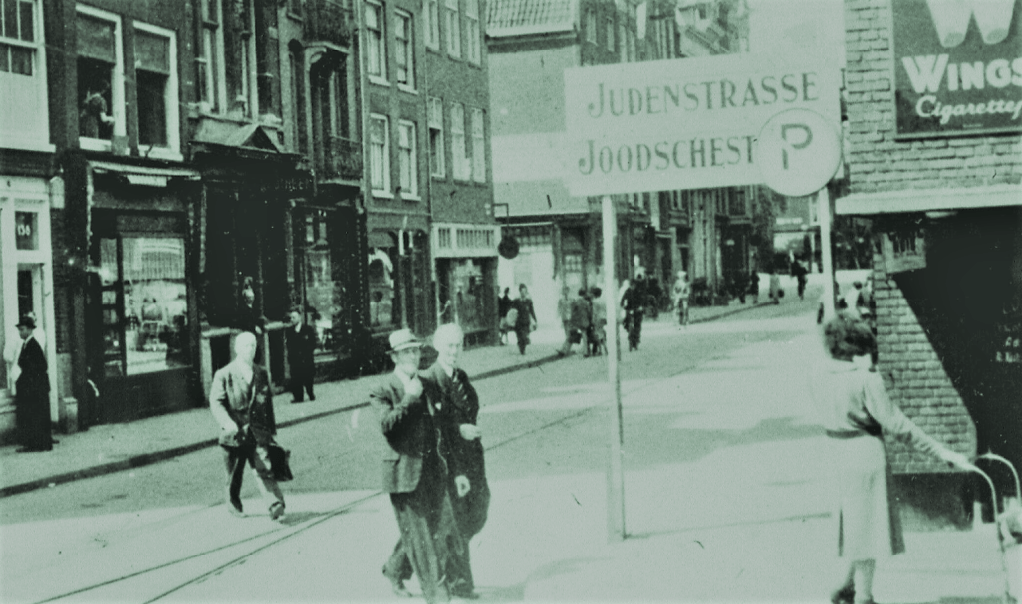
The Holocaust wasn’t something that happened overnight, it was a gradual process. In Germany, it started in 1933, and in the Netherlands, it started shortly after the German occupation n May 1940.
Below is a brief timeline of what eventually led to the murder of 75% of all Dutch Jews.
1940
July 1st
Jews are forbidden to work in the air defense service. From 2 July, Jews may no longer be employed in Germany.
July 31
Ban on slaughtering cattle according to the rules of kashrut (ritual Jewish dietary laws): regulation to avoid tormenting animals during slaughter. This is VO (regulation) 80/1940.
September 6
Prohibition of employing Jews in public service. Jews who are already in government service should not be promoted. The secretaries-general of the departments promise not to appoint any more Jews to public service. This had already been informally told to the ministries on 28 August (VO 108/40).
September 14
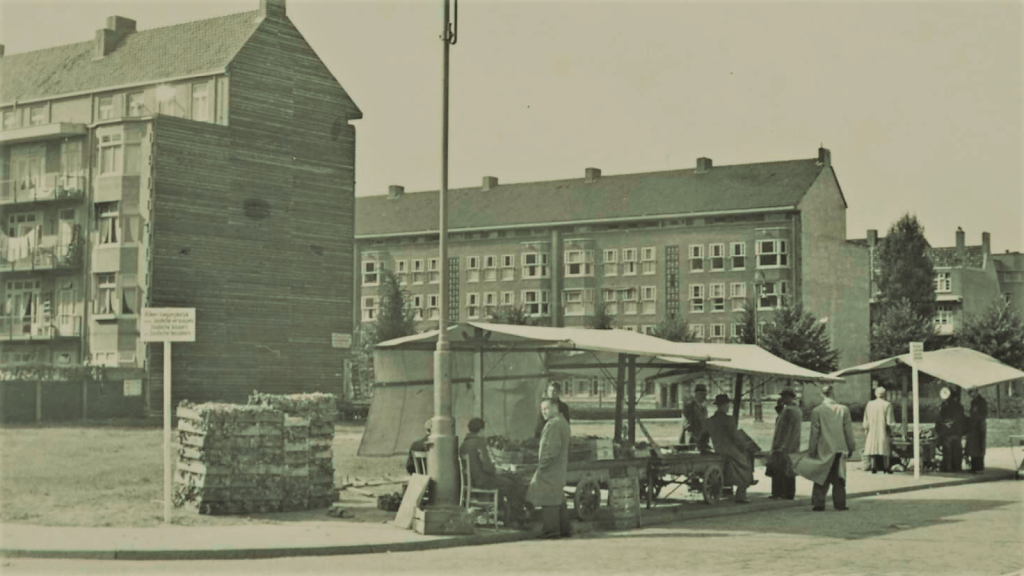
Jews are no longer welcome in Amsterdam markets.
September 26
Prohibition on the publication of Jewish newspapers except for the Joodsche Weekblad (from 11 April 1941).
October 5
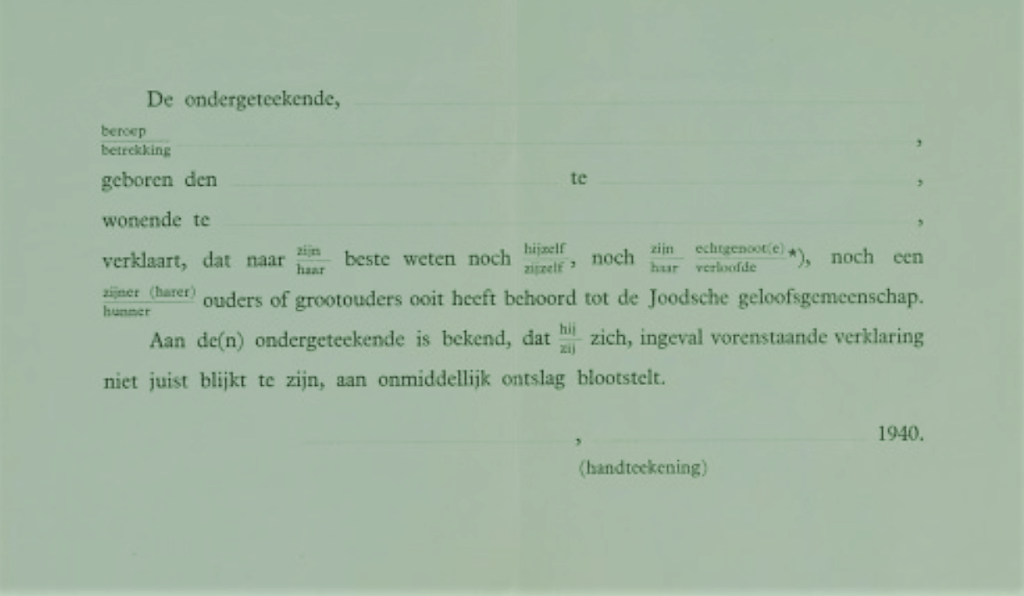
Aryan statement. All civil servants must fill out a statement about their lineage.
October 22
All Jewish businessmen must register their company with a German organization: the Wirtschaftsprüfstelle (VO 189/40). Jewish are those who have three Jewish grandparents and/or are members of a Jewish community.
November 4
An announcement that Jewish civil servants will be suspended from 21 November; they are discharged on 21 February 1941 (VO 137/40).
December 19
Ban on Jews from employing German domestic workers.
1941
January 7
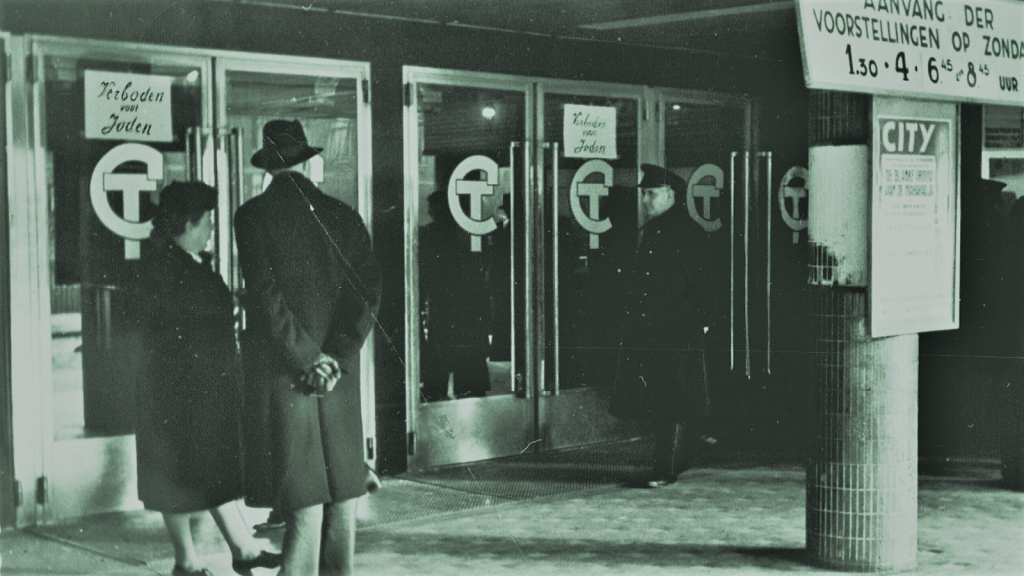
Ban on Jews from visiting cinemas. The ban is announced by the Dutch Cinema Association.
January 10
All Jews or persons with at least one Jewish grandparent must register. If a grandparent had ever been or still was a member of a Jewish synagogue, the person was already considered a Jew and so were his children and grandchildren. Jews had to report to the population register and register there. Registration cost a guilder. Almost all Jews complied (VO 6/1941).
January
Signs with the text, “Jews Not Wanted,” appear in various public places. There is no obligation to place these signs yet.

5th February
Doctors must indicate whether they are Jewish.
February 1
Restrictive measures for Jewish students (VO 27/1941). They are no longer allowed to study at the university unless they have special permission from Secretary-General Van Dam.
February 12
The old Jewish quarter in Amsterdam is given the new name Joodsche Wijk and is fenced off with a barbed wire barrier. There will also be signs with the text, “Juden viertel,” (Jewish Quarter). The barrier disappears after a short time, but the signs remain.

February 13
Establishment of the Jewish Council by order of the occupying forces. The Germans want to be able to communicate with the Jewish community through a single organ.
February 22
Two-day raid on Jewish men between the ages of 18 and 35. The raid on the Jonas Daniel Meijerplein followed riots in the Jewish Quarter in which the WA man Hendrik Koot had died. On February 19, there had been a fight in IJssalon Koco in which German police officers were sprayed with ammonia in the face. The Germans then arrested and deported a total of 427 Jews. On February 25, a strike broke out in protest, The February Strike. The men ended up in Mauthausen via Schoorl and Buchenwald where they all were murdered.
February 27
Jews are no longer allowed to donate blood.
February 28
Measures against Jewish organizations with no economic purpose—associations and foundations—had to register and allow inspection of their documents and delegate certain powers (VO 41/1941).
March 12
Jews can no longer have their own company. Instead, a Verwalter or Treuhänder (administrator) is appointed by the Omnia-Treuhandgesellschaft. The administrator now manages the company, in most cases he directs the liquidation of the Jewish firm (VO 48/1941).
March 31
Establishment of the Zentralstelle für jüdische Auswanderung, the organization that would organize the deportations in 1942.
April 1
From now on Jews are no longer allowed in cafes, restaurants, cinemas, theatres, libraries, and swimming pools in Haarlem.
April 15
Jews are not allowed to own radios. This was an order from General Commissar Rauter under regulation 26/1941.
May 1
Jewish lawyers and doctors are no longer allowed to have non-Jewish clients and patients. The measure also applies to other liberal professions such as pharmacists, dentists, and attorneys.
It is forbidden for Jews to visit markets. Jews are also no longer allowed to enter the stock and trade exchanges.
27th of May
Jews who own agricultural land must declare it and sell it before September 1, 1941 (VO 102/1941).
May 31
From now on it is forbidden for Jews to visit swimming pools and beaches. They are also no longer allowed to rent rooms in some seaside resorts or visit public places.
June 11
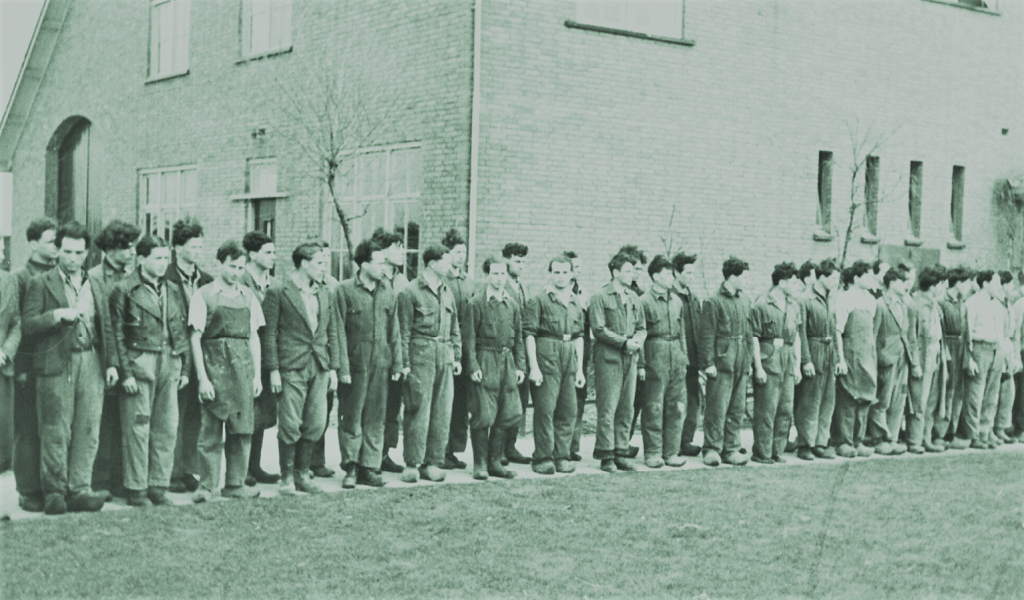
Razzias against Jews in Amsterdam. 300 Jews are deported to Mauthausen, including 61 Jewish refugees from the Wieringermeer working village.
June 20
Jews not living in Amsterdam must hand in their bicycles (VO 182/41).
June 26
Prohibition for Jewish shops to be open on Sundays (VO 114/41).
August 1
Jewish brokers are only allowed to work for Jews.
August 8
First LIRO Regulation: VO 148/1941. Jews are obliged to transfer their bank balances of more than a thousand guilders (about 450 Euro) to the Lippmann-Rosenthal Bank, a former Jewish bank that was taken over by the Germans.
September 1
Jewish students are prohibited from attending regular schools and educational institutions. From September 1 on, they will go to separate Jewish schools. In Amsterdam, the measure will come into effect on 1 October.
September 14
Third raid in the Netherlands. In Twente, a hundred Jewish men are arrested and deported in retaliation for actions by the resistance.
September 15
It is forbidden for Jews to visit parks, zoos, cafés, restaurants, libraries, hotels, theaters, cinemas and museums. Jews are no longer allowed to travel or move without a permit. From this moment on, signs with the text “Forbidden for Jews,” appear in the streets (VO 138/1941).
Jews must register their land and house possessions with the Niederländische Grundstücksverwaltung, a German looting organization that will sell the possessions (VO 154/1941) .
October 20
The Jewish Council is obliged to register all Jews in the Netherlands. A map library is being created. There is also a new regulation that restricts Jews from practicing certain professions and makes them dependent on a permit. And it will be much easier to fire Jews (VO 198/1941).
22 October
Jews must leave non-Jewish associations and foundations (VO 199/1941).
November 3
Separate Jewish markets are set up in Amsterdam.
5th of December
All non-Dutch Jews must report for “voluntary emigration.”

1942
January 1
Jewish men are called up for camps of the National Office for Work Expansion in the Northern and Eastern Netherlands.
Jews are no longer allowed to have non-Jewish domestic workers (VO 200/41)
January 9
Public education for Jews was banned.
January 10
The first Jews leave Amsterdam for Jewish labor camps.
January 17
Jews from Zaandam must move to Amsterdam. This begins the forced relocation of all Dutch Jews to the capital.
January 23
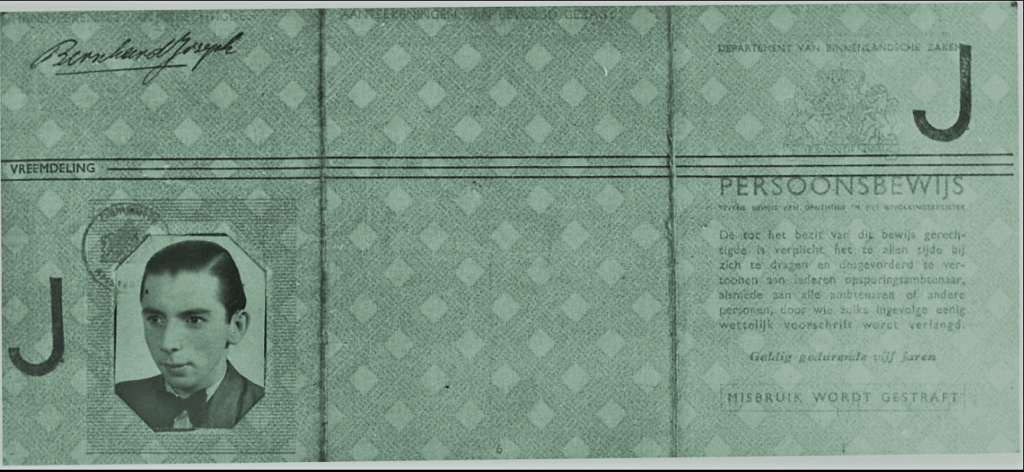
Identity cards of Jews are provided with the letter ‘J’.
March 20
Prohibition for Jews to own or drive means of transport. Jews are not allowed to sell furniture from their own household effects.
March 25-26
Ban on Jews from marrying non-Jews.
April 24
Jewish butcher shops are closed. Several butcher shops in Amsterdam may remain open.
May 3
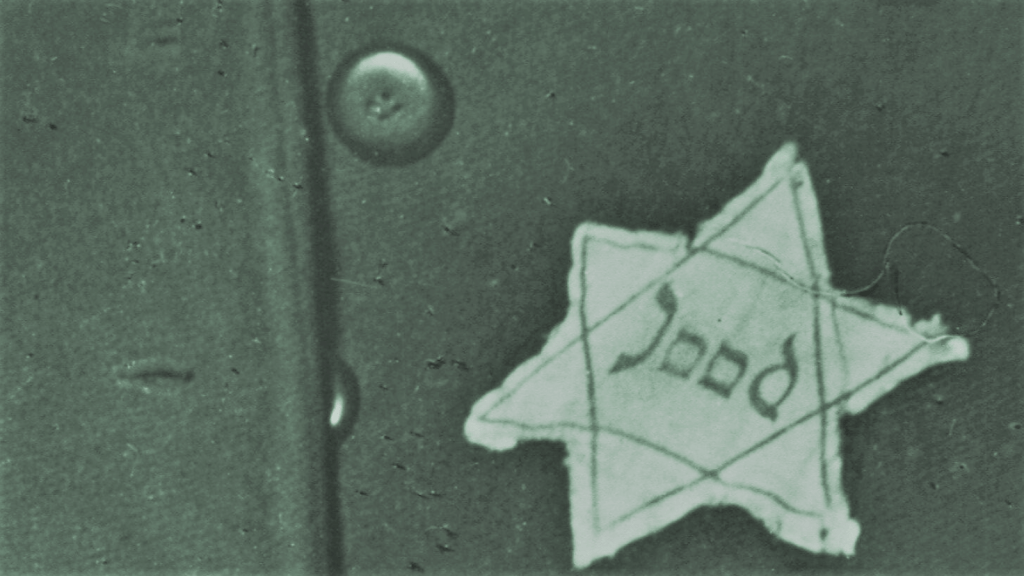
The yellow Star of David with the word “Jew,” is introduced. All Jews over the age of six must wear a yellow star with the word “Jood” (Jew) visible on their clothing.
May 21
Second LIRO (Lipmann, Rosenthal) Regulation VO 58/1942. Jews now also have to hand in gold, silver, antiques, art objects, other valuables, and cultural goods to the Lipmann, Rosenthal & Co bank.
May 29
Fishing ban for Jews.
5 June
Full travel ban for Jews.
June 12
Jews are prohibited from shopping outside at certain times and they are only allowed to enter a limited number of shops. Jews must hand in all bicycles and other means of transport. Jews are no longer allowed to practice sports.
June 26
Aus der Fünten informs the Jewish Council that Jews will be deported to Germany for employment expansion or labor deployment.
June 30
Curfew setting. Jews must be home between 8 p.m. and 6 a.m.
July 4
The first calls for deportations to Germany are sent.
July 6
Jews are forbidden to make telephone calls. Jews are no longer allowed to visit non-Jews.
14th of July
First transport Jews from Amsterdam to the Westerbork Transit Camp.
July 15
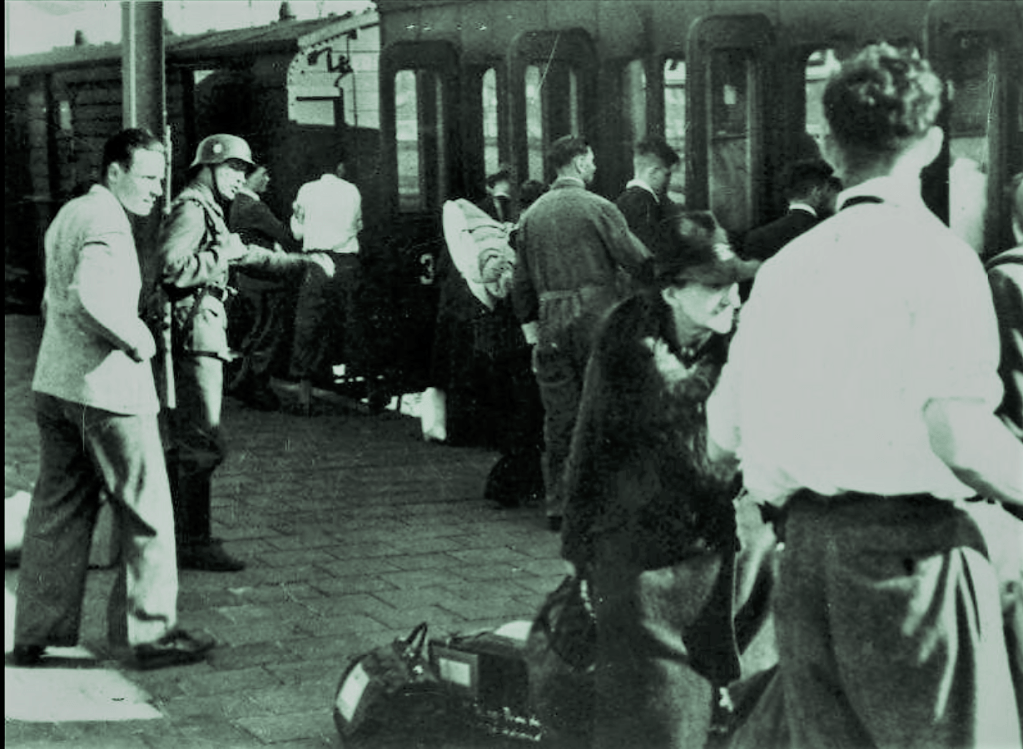
1,135 Jews are deported from Westerbork to the Auschwitz extermination camp in Poland. Until September 13, 1944, a weekly deportation train from Westerbork to the extermination camps.
July 20
The Hollandsche Schouwburg is used as a collection point where Jews have to report for deportation and arrested Jews are held.
August
Raids take place throughout the month because too few Jews report for deportation. Jewish street names will also be changed.
October 2–3
Jews from the labor camps in the Netherlands are transferred to Westerbork and deported together with their families. It concerns 13,000 to 15,000 people.
October
The nursery at Plantage Middenlaan 31 is used as an annex of the Hollandsche Schouwburg. Jewish children are waiting here, separated from their parents, for deportation.
1943
January 15
All foundlings are considered Jewish children and deported, also with retroactive effect. In Amsterdam, the foundlings are taken to the nursery.
January 16
450 Jews from the Hollandsche Schouwburg are deported to the new Vught camp. A total of 12,000 Jews will be held captive in Camp Vught.
January 22
The Jewish psychiatric institution the Apeldoornsche Bosch is being emptied. That means that all patients and most of the staff are deported to be murdered. The train runs from Apeldoorn directly to Auschwitz.
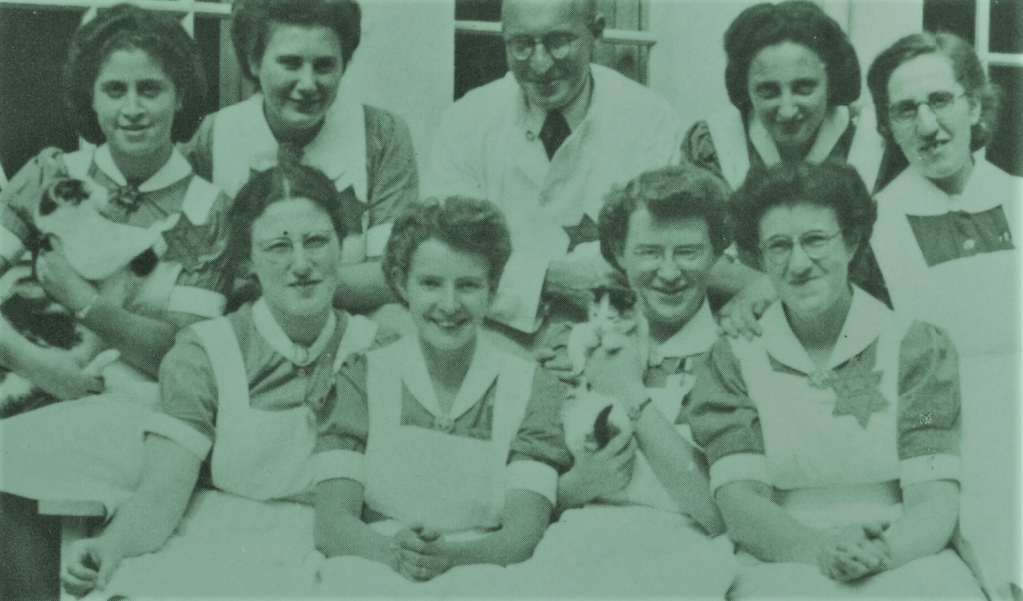
March 2
The first transport to Sobibor Extermination Camp. A total of 19 trains run to Sobibor with more than 34,000 Jews.
April 10
Jews are prohibited from staying in the provinces of Groningen, Friesland, Drenthe, Overijssel, Gelderland, Zeeland, North Brabant, and Limburg. All Jews in those provinces are housed in Camp Vught (VO 1/43).
April 21
First transport from the Netherlands to Theresienstadt Concentration Camp from Amsterdam.
April 22
Prohibition for Jews to be in the provinces of North Holland, South Holland, and Utrecht with the exception of Amsterdam. From this day forward, only Jews in hiding, Jews with an exceptional exemption, and several Amsterdam Jews are not in German captivity. On April 23, the Netherlands is declared “Judenrein” (Jew-Free) by the Germans.
May 21
The Jewish Council must designate 7,000 men from their own ranks for deportation.
May 26
Major raid in Amsterdam to round up the last Jews, apart from the employees of the Jewish Council, who are still in the capital. 3000 people are arrested.
June 6–7
Children’s transports from Vught Concentration Camp to Sobibor.
June 20
Razzia in Amsterdam South and East to arrest employees of the Jewish council.
September 29
Transport of all remaining Jews from Amsterdam and the last employees of the Jewish Council to Westerbork.
November 19
The Hollandsche Schouwburg closes after the last transport of Jews who have been arrested from hiding.
December
Mixed marriages are called up for labor camps. Other measures against mixed marriages have already been taken, such as sterilization. Sterilized persons are exempted from a large number of restrictive provisions.
1944
January
First transport to Bergen-Belsen Concentration Camp.
Spring
SS leader Rauter inserts the TD card. (Second Distribution master card). The TD card was linked to the control of identity cards. The aim was to prevent Jewish people in hiding and resistance fighters from getting food and make it easier to track them down in their attempts to do so.
February 1
The Portuguese Jews are taken to Westerbork. They had been exempted until now due to doubts about their Jewish origins. They are deported to Auschwitz via Theresienstadt.
June 2nd
Last transport of Jews from Camp Vught to Auschwitz.
August 4
After being betrayed, Anne Frank and her family are arrested at the Secret Annex, their hiding place. All are deported. Only Anne’s father, Otto Frank, survives the deportation.
September 13
Last transport from Westerbork.
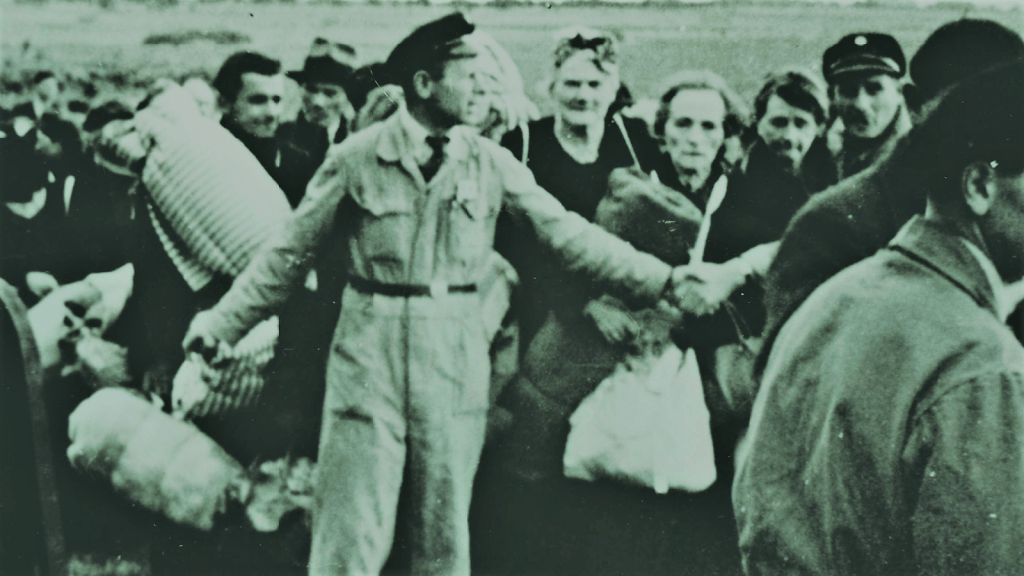
When the camp was liberated on April 12, 1945, there were nine hundred prisoners in the camp.
In September 1944. the allied troops had already liberated several towns and cities in the south of the Netherlands.
I know that some will be judgmental about the Dutch, and question why they didn’t do more to help their Jewish friends and neighbours. They should have done more. However, none of us, or at least very few, were ever put in that situation. I am speaking for myself, I don’t know what I would have done. If I would hypothetically transfer that situation to 2023. I probably would not do that much, the main reason is that is not only me I have to look out for, but I also have a wife and 3 children. That’s why I don’t judge, that doesn’t mean I can’t address the lack of action by the Dutch.
Sources
https://www.tracesofwar.nl/articles/1938/Anti-Joodse-maatregelen-in-Nederland-vanaf-1940.htm
https://www.jck.nl/nl/longread/chronologie-van-de-jodenvervolging
https://www.oorlogsbronnen.nl/thema/Anti-joodse%20maatregelen

Donation
Your readership is what makes my site a success, and I am truly passionate about providing you with valuable content. I have been doing this at no cost and will continue to do so. Your voluntary donation of $2 or more, if you are able, would be a significant contribution to the continuation of my work. However, I fully understand if you’re not in a position to do so. Your support, in any form, is greatly appreciated. Thank you. To donate, click on the credit/debit card icon of the card you will use. If you want to donate more than $2, just add a higher number in the box left from the PayPal link. Your generosity is greatly appreciated. Many thanks.
$2.00
 History of Sorts
Leave a comment