
Anne Frank has become an enduring symbol of the atrocities of the Holocaust through her poignant and insightful diary, “The Diary of a Young Girl.” During the Nazi occupation of the Netherlands, Anne and her family were forced into hiding, and their eventual arrest marks one of the many tragic moments of World War II. The arrest of Anne Frank is not just a personal tragedy but also a representation of the broader persecution faced by Jews during this dark period in history.
The Frank family, originally from Germany, fled to the Netherlands in 1933 to escape the rising tide of anti-Semitism under Adolf Hitler’s regime. For a few years, they found relative safety in Amsterdam. However, after the Nazis invaded the Netherlands in 1940, the persecution of Jews intensified. In July 1942, when Anne’s sister, Margot, received a summons for deportation to a labor camp, the Franks went into hiding.
The family, along with four other Jews, concealed themselves in the “Secret Annex” of Otto Frank’s business premises. This hidden area became their refuge for two years. During this period, Anne Frank penned her now-famous diary, chronicling the daily hardships, fears, and hopes of life in hiding.
The tranquility of the Secret Annex was shattered on August 4, 1944, when the Gestapo, acting on a tip from an anonymous informant, raided the hiding place. Led by SS-Oberscharführer Karl Silberbauer, the German Security Police arrested the eight Jewish individuals hiding there. Along with the Frank family—Otto, Edith, Margot, and Anne—were Hermann, Auguste, Peter van Pels, and Fritz Pfeffer.
The betrayal of the Franks and their companions remains one of the haunting mysteries of their story. Various theories have been proposed regarding the identity of the informant, but conclusive evidence has never been found. The arrest marked the end of their brief respite from the horrors that awaited them in the Nazi concentration camps.
Following their arrest, the inhabitants of the Secret Annex were transported to Westerbork, a transit camp in the Netherlands. In September 1944, they were deported to Auschwitz-Birkenau. The journey was brutal, and upon arrival, the men and women were separated. Edith Frank was left to die of starvation, while Anne and Margot were eventually transferred to Bergen-Belsen concentration camp in Germany.
The arrest of Anne Frank is a stark reminder of the consequences of hatred, discrimination, and intolerance. It underscores the importance of remembering and educating future generations about the Holocaust to prevent such atrocities from happening again. Anne’s story is not just a historical account; it is a call to action to uphold human rights and dignity in the face of oppression.
Friday, August 4, 1944, was a warm and sunny day in Amsterdam. To the people in hiding, it was the 761st day in the Secret Annex, more than two years since the day Anne and her family had entered the hiding place on July 6, 1942. Between half past ten and eleven in the morning, police officers showed up at the building at Prinsengracht 263. SS Hauptscharführer Karl Silberbauer was in charge. At the warehouse on the ground floor, the officers addressed employee Willem van Maaren. He referred them to the first floor, where the office staff was. There are no indications that Willem or the other warehouse workers knew that there were people in hiding in the building.
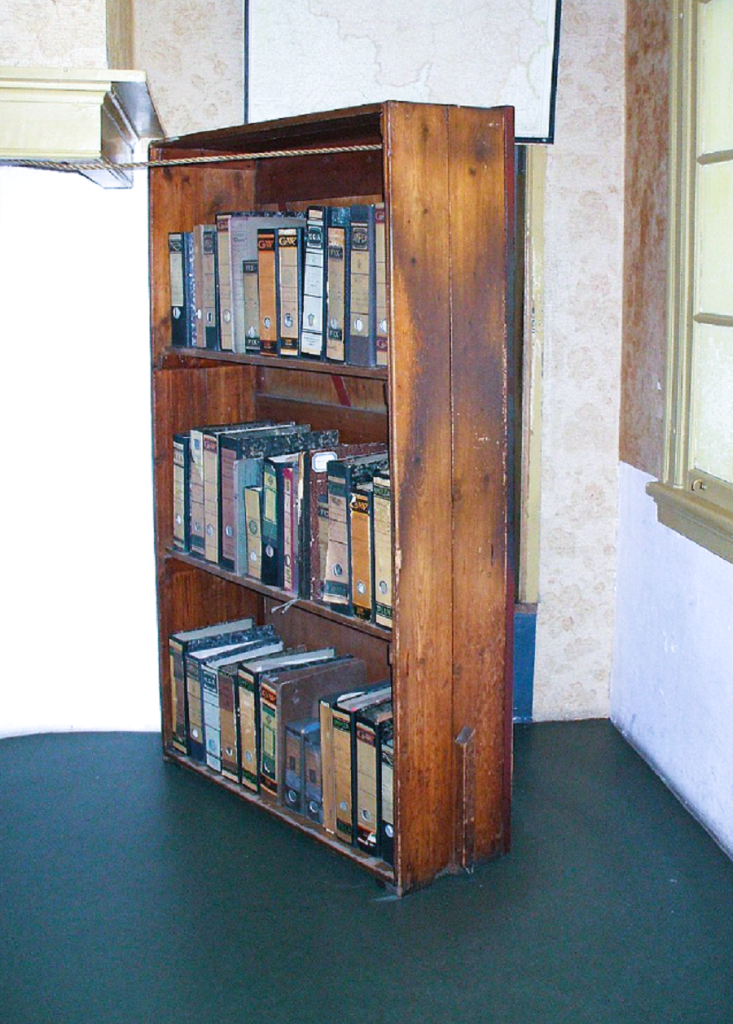
The warehouse clerk was just one of the people linked to Anne Frank’s arrest. Other people and circumstances followed. There was always talk of betrayal. This assumption should come as no surprise, as Jews were betrayed on a large scale. Research by the Anne Frank House from 2016 shows that for a case of ‘everyday’ betrayal, this story includes several unusual features. The study shows that there was more going on in the business premises at Prinsengracht 263 than hiding people. There was illegal labor and voucher trading. This research provides a new angle: the Nazi ‘security police,’ the Sicherheitsdienst, may have searched the building because of illegal labor and voucher fraud, and in the process, the officers came across Anne Frank and the seven other people in hiding in the Secret Annex by chance.
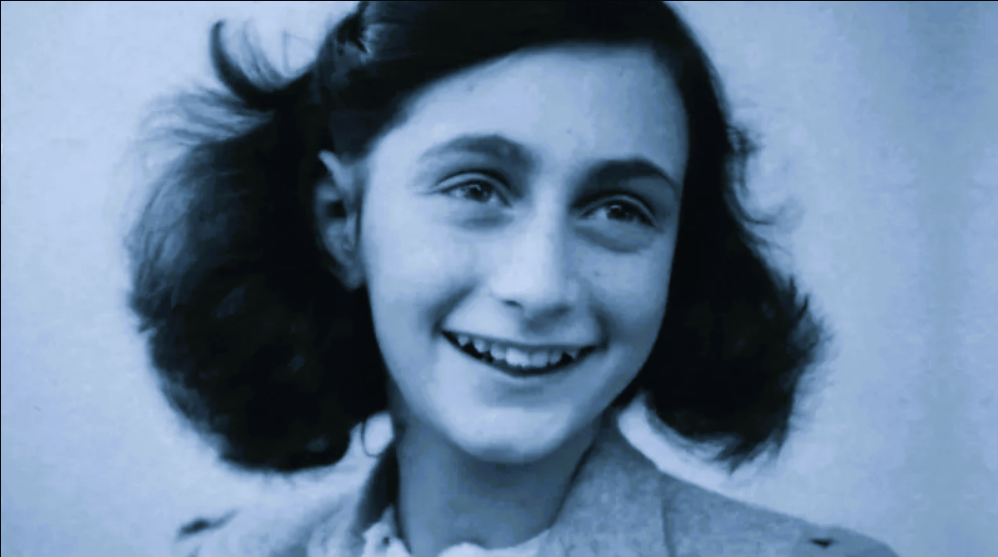
Anne’s Silent Dreams
In a hidden room, a diary’s penned,
By a girl with dreams that knew no end.
In pages worn, her hopes reside,
For a life that fate cruelly denied.
She dreamt of days in sunlight’s glow,
Of laughing friends, of paths to roam.
Of youthful loves and future bright,
Unfolding under peaceful night.
No summer breeze to brush her hair,
No chance to dance, or secrets share.
No schoolyard games, or simple cheer,
Only shadows of a world so near.
Behind the walls, her mind would stray,
To passions bright as break of day.
Of bodies close, and breath entwined,
Of secrets shared, of love unblind.
No tender kiss to mark her skin,
No rush of heat, no sweet begin.
No whispered sighs in candle’s glow,
No lover’s touch to feel, to know
A wedding dress she’d never wear,
No children’s laughter she could share.
No books to write, no stories told,
Her dreams, like autumn leaves, grown old.
Each birthday passed in silence there,
In darkness deep, devoid of care.
The years she lost, the moments gone,
A life cut short before its dawn.
Yet through her words, her voice we hear,
A whisper soft, yet crystal clear.
In every line, a life she missed,
In every word, her dreams persist.
Though Anne now sleeps beneath the sky,
Her spirit soars, it will not die.
In hearts and minds, she still remains,
A beacon through the darkest rains.
For Anne, the world will always weep,
For dreams deferred, for hopes that sleep.
But in her pages, bright and stark,
Lives the echo of her spark.
Sources
https://www.history.com/this-day-in-history/anne-frank-captured


 History of Sorts
Leave a comment