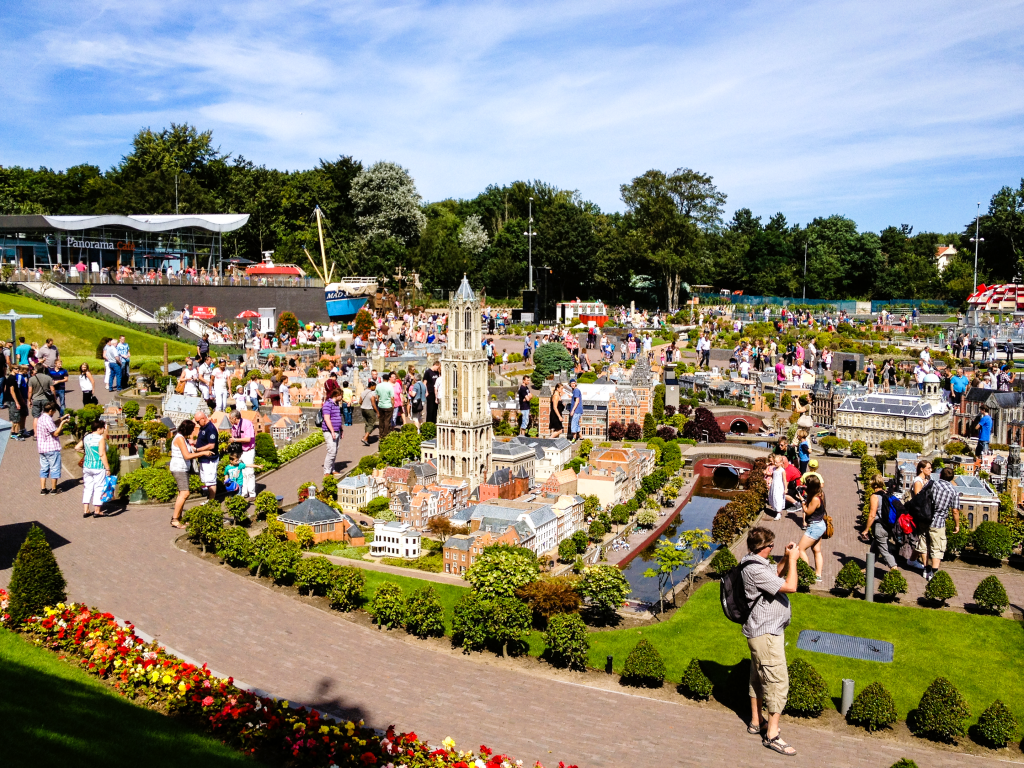
Madurodam, nestled in The Hague, Netherlands, is a miniature city that captures the essence of Dutch heritage and ingenuity. Spanning just a few hectares, it offers visitors a bird’s-eye view of the Netherlands, featuring intricate replicas of iconic landmarks, modern cities, and traditional villages. Opened in 1952, Madurodam is not only a delightful attraction for tourists but also a symbol of innovation and community.
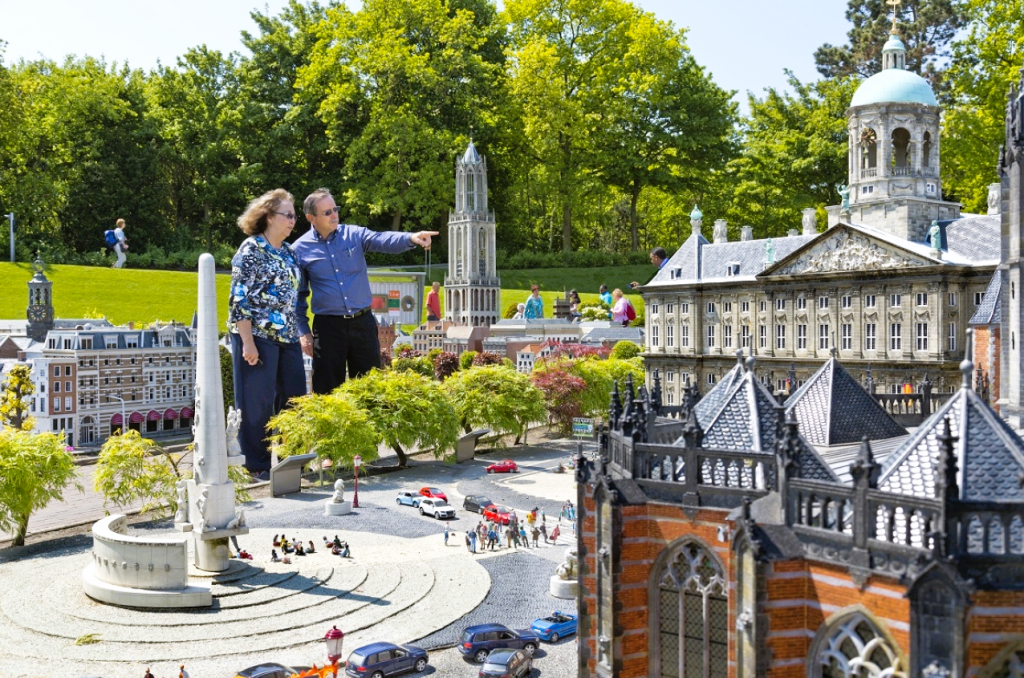
One of the most striking features of Madurodam is its meticulous attention to detail. The models, built at a scale of 1:25, include famous sites like Amsterdam’s canals, the Dom Tower of Utrecht, the Peace Palace, and Schiphol Airport. Engineers and artists carefully recreate these structures using precise blueprints, ensuring authenticity. Moving parts, such as windmills spinning, boats cruising through canals, and trains zipping along tracks, breathe life into the miniature landscape. This interplay of engineering and artistry makes Madurodam a living, dynamic spectacle.
Between 650,000 and 700,000 people visit the park in The Hague every year, but very few of these visitors know about the origin of its name.
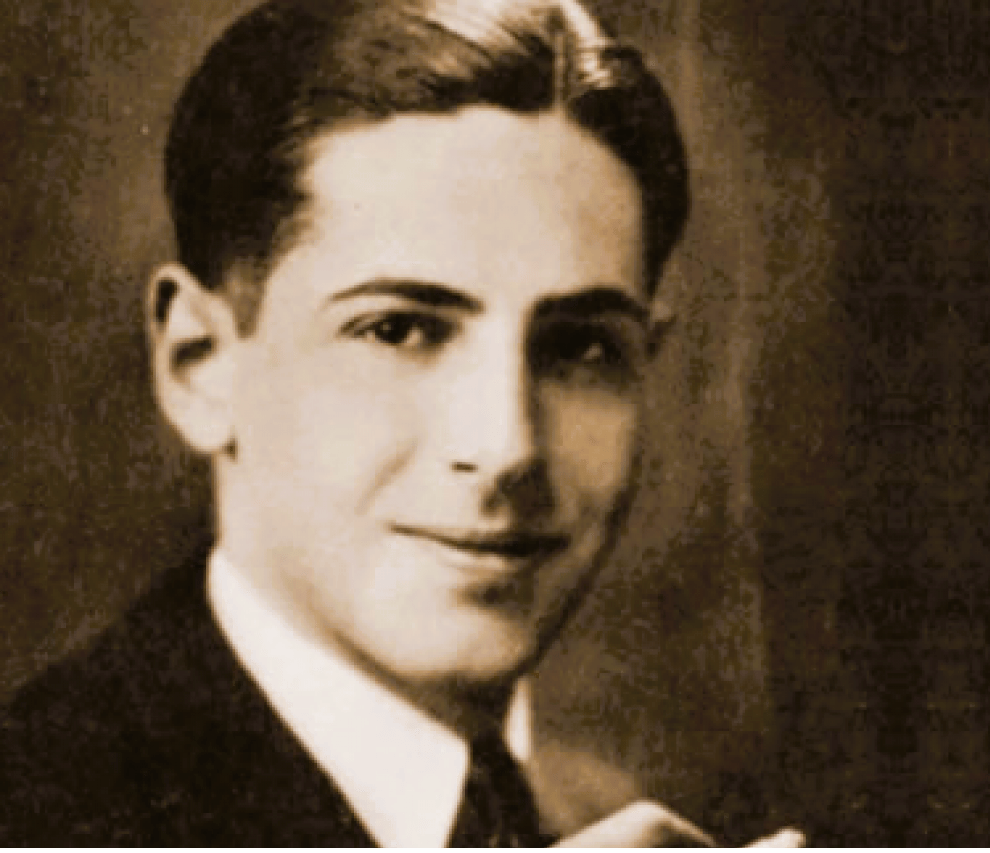
Madurodam is more than just an attraction; it carries a heartfelt mission. Named after George Maduro, a Jewish law student and war hero who died during the Holocaust, the park was established as a tribute to his bravery and as a charitable foundation.
Proceeds from Madurodam support numerous youth-oriented initiatives in the Netherlands, fostering a sense of collective responsibility and hope for the future.
George Maduro, a name etched in the annals of Dutch history, is more than just a war hero. He is a symbol of resistance, courage, and selflessness in the face of unimaginable odds. He is best known for his role in the Dutch resistance during World War II.
Early Life and Education
George Maduro was born on July 15, 1916, in Willemstad, Curaçao, part of the Dutch Caribbean. His parents, Joshua Maduro and Rebecca Jesurun, were affluent Sephardic Jews, and George grew up in a privileged environment. He was sent to The Hague to complete his education and later pursued law studies at the University of Leiden. His time at university shaped him intellectually and socially, preparing him for the challenges ahead.
Maduro’s academic life, however, was interrupted by the storm clouds of war looming over Europe.
Heroic Actions in World War II
When Germany invaded the Netherlands in May 1940, Maduro, then a reserve officer in the Dutch Army, took up arms to defend his adopted homeland. Despite overwhelming odds, he played a crucial role in the Battle of The Hague. One of his most notable acts of bravery occurred at Villa Dorrepaal in Rijswijk, where he led a daring assault to capture German paratroopers who had fortified the villa. This action significantly delayed the German advance, allowing Dutch forces to regroup.
For his exceptional bravery, Maduro was posthumously awarded the Knight Fourth Class of the Military Order of William, the Netherlands’ highest military honor.
“Distinguished himself in battle on May 10, 1940 by superior acts of courage, ingenuity, and loyalty. As Commander of a platoon of young soldiers, he planned and prepared, with great skill and on his own initiative, the attack on the enemy-occupied villa ‘Leeuwenburg’ behind the Vliet in Rijswijk. With considerable courage, leading two groups of young soldiers, he crossed the bridge over the Vliet while under enemy machine-gun fire, personally led the attack on the fortified base (Villa ‘Leeuwenburg’), and in the assault was the first to force his way in, breaking the resistance and taking the occupants prisoner.”
The Resistance Fighter
After the Dutch forces surrendered, Maduro refused to give up. He became involved in the Dutch resistance, aiding in the escape of Allied airmen and providing intelligence to resistance networks. His actions carried out under the constant threat of capture, highlight his unwavering commitment to justice and freedom.
In 1943, Maduro was arrested by the Nazis and eventually deported to Dachau concentration camp. Despite the brutal conditions, he remained resilient and inspiring to his fellow prisoners. Tragically, George Maduro succumbed to typhus on February 8, 1945, just months before the war ended.
Madurodam: A Living Tribute
In the years following the war, George Maduro’s legacy was immortalized in a unique and touching way. His parents, devastated by the loss of their only son, sought to create a lasting tribute to his memory. With their support, Madurodam, a miniature city, was established in The Hague in 1952. The park, which showcases scale models of Dutch landmarks and heritage, serves as a beacon of hope and resilience.
Lessons from George Maduro’s Life
George Maduro’s story is one of courage and sacrifice, but it is also a story of identity and belonging. A Sephardic Jew from Curaçao, he fought and died for the Netherlands, embodying the values of inclusivity and loyalty. His life reminds us that heroism often comes at great personal cost but leaves an indelible mark on the world.
Today, George Maduro is remembered not only as a war hero but also as a symbol of resistance against oppression. His story continues to inspire new generations to stand up for freedom and justice, no matter the odds.
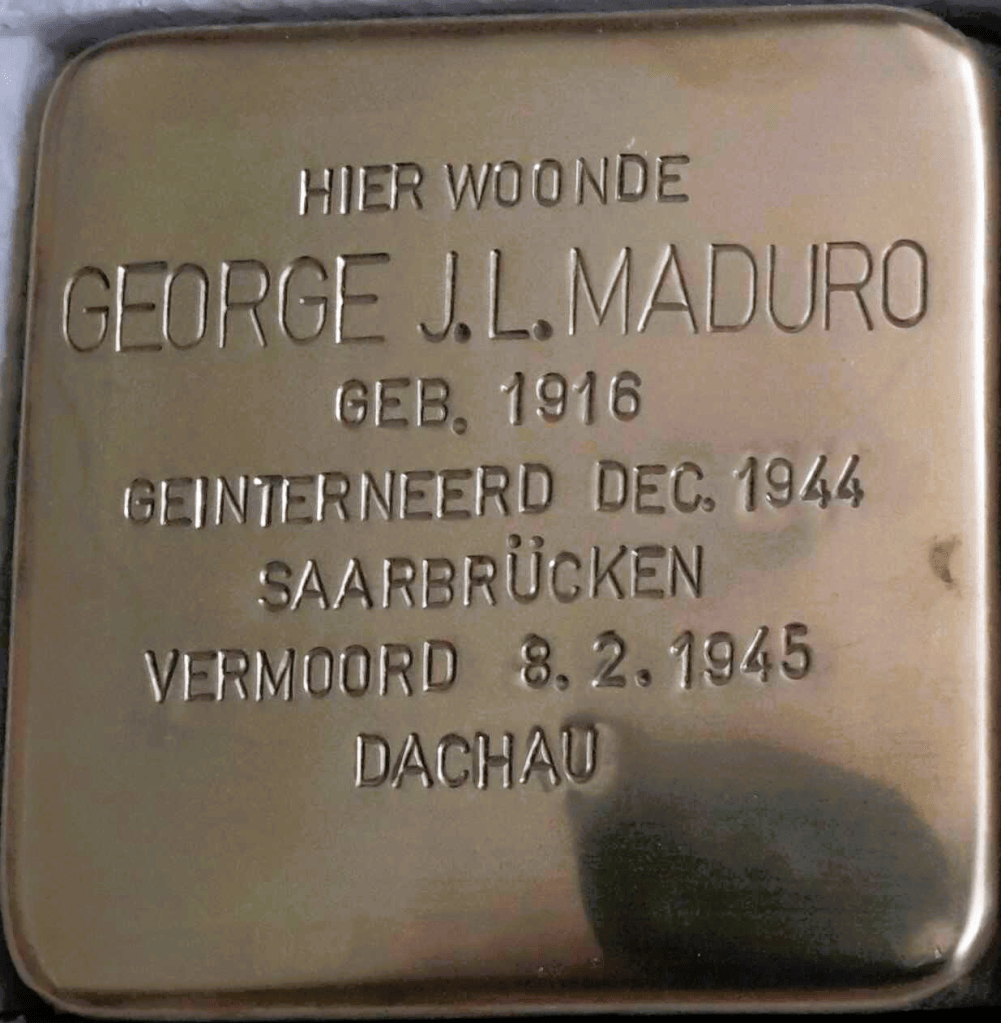
George Maduro’s legacy, etched into the heart of Dutch history, transcends his time. Through Madurodam and the countless stories of his heroism, he remains a guiding light for those who believe in the power of courage, unity, and selflessness. As we reflect on his life, we are reminded that true heroes are not just remembered for what they did but for the values they stood for and the hope they instilled in others.
Let George Maduro’s story remind us that even in the darkest times, the human spirit can shine brightest.
Sources
https://www.joodsmonument.nl/nl/page/147253/george-john-lionel-maduro
https://en.wikipedia.org/wiki/George_Maduro
https://www.liberationroute.com/stories/24/george-john-lionel-maduro
Donation
Your readership is what makes my site a success, and I am truly passionate about providing you with valuable content. I have been doing this at no cost and will continue to do so. Your voluntary donation of $2 or more, if you are able, would be a significant contribution to the continuation of my work. However, I fully understand if you’re not in a position to do so. Your support, in any form, is greatly appreciated. Thank you. To donate, click on the credit/debit card icon of the card you will use. If you want to donate more than $2, just add a higher number in the box left from the PayPal link. Your generosity is greatly appreciated. Many thanks.
$2.00


 History of Sorts
Leave a reply to dirkdeklein Cancel reply