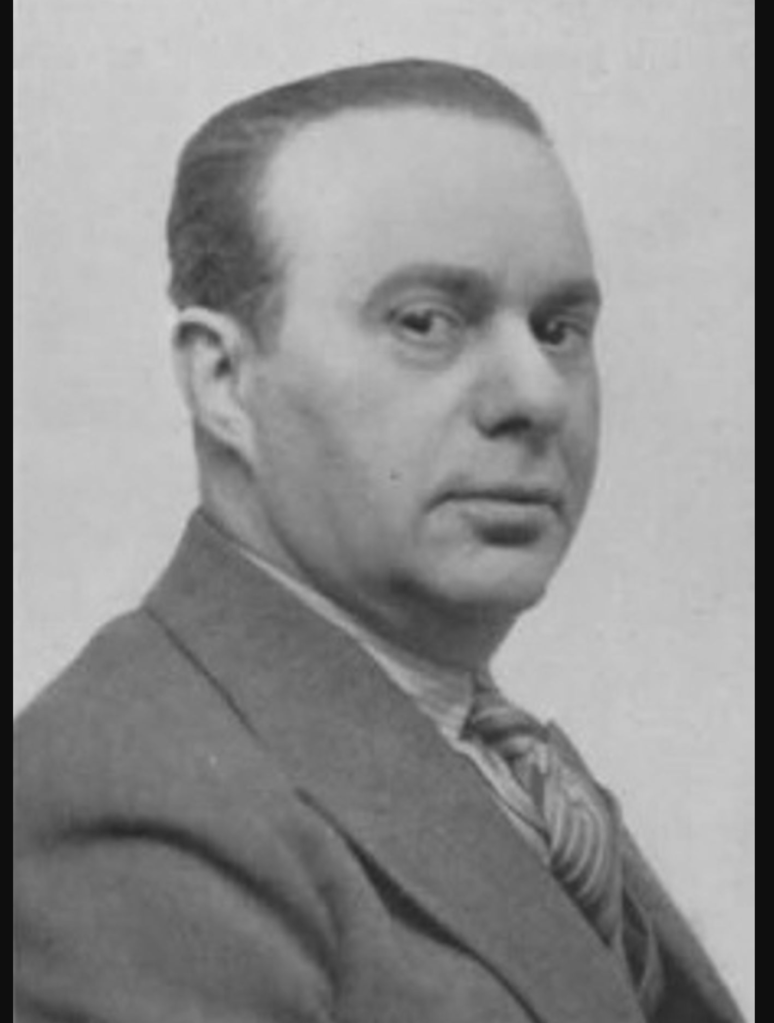
Abraham Icek Tuschinski was one of the most remarkable figures in the history of European cinema. Born in Poland and later becoming a celebrated entrepreneur in the Netherlands, Tuschinski transformed moviegoing into a luxurious cultural experience. His life reflected the hopes of immigrants in early twentieth-century Europe, the rapid rise of the film industry, and the tragedy of the Holocaust. Today, his name remains closely associated with the magnificent Pathé Tuschinski theater in Amsterdam, widely regarded as one of the most beautiful cinemas in the world.
Abraham Icek Tuschinski was born on May 14, 1886, in Brzeziny, a town in what was then part of the Russian Empire, now located in Poland. He came from a Jewish family and initially trained as a tailor. Like many Eastern European Jews of his generation, he sought better economic opportunities and greater freedom in Western Europe. In 1904, Tuschinski left Poland intending to emigrate to the United States. However, his journey took an unexpected turn when he arrived in Rotterdam in the Netherlands. Delayed by travel and immigration difficulties, he decided to remain there temporarily. That temporary stay eventually changed the history of Dutch cinema.
In Rotterdam, Tuschinski discovered both opportunity and community among other Jewish immigrants. Rather than continuing to America, he established himself in the city and opened boarding houses for fellow migrants. He soon became interested in the growing popularity of motion pictures. At the beginning of the twentieth century, cinema was still a relatively new form of entertainment, often shown in simple halls or cafés. Tuschinski recognized that films could become a sophisticated and glamorous experience rather than merely a novelty attraction.
Together with business partners, he opened his first cinema in Rotterdam in 1911. The theater was an immediate success. Tuschinski distinguished himself from competitors by emphasizing comfort, elegance, and spectacle. He understood that audiences wanted not only to watch films but also to feel transported into another world. His cinemas featured luxurious interiors, attentive service, and artistic decoration that elevated moviegoing into a memorable social occasion.
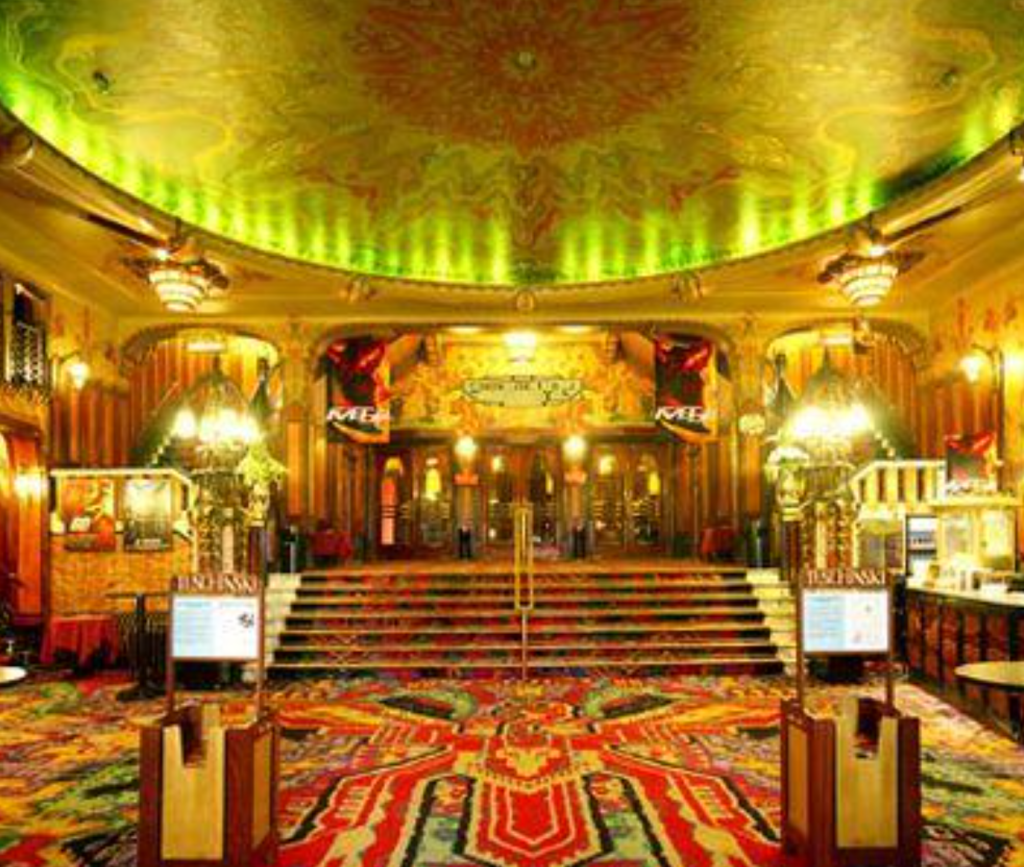
Tuschinski’s greatest achievement came in 1921 with the opening of the Tuschinski Theater in Amsterdam. The building was extraordinary in both design and ambition. Combining elements of Art Deco, Art Nouveau, and the Amsterdam School architectural style, the theater created an atmosphere of fantasy and opulence. Rich carpets, ornate lighting, murals, and dramatic interior details surrounded visitors from the moment they entered. Unlike ordinary cinemas of the period, the Tuschinski Theater resembled a palace dedicated to film.
The theater quickly became a cultural landmark in the Netherlands. It hosted film premieres, live performances, and important social events. Tuschinski himself became known as an energetic entrepreneur with a deep passion for cinema and entertainment. He expanded his business empire across the Netherlands, owning and operating numerous theaters. At a time when film was becoming the dominant popular entertainment medium, he stood at the forefront of the industry.
However, Tuschinski’s success unfolded during a period of increasing political danger in Europe. During the 1930s, antisemitism intensified under the rise of Adolf Hitler and Nazi Germany. In 1940, the Netherlands was occupied by German forces during World War II. As a Jewish businessman, Tuschinski became a target of persecution. The Nazis confiscated many Jewish-owned businesses, including cinemas.
The German bombing of Rotterdam in 1940 destroyed all Tuschinski’s theater in the city.
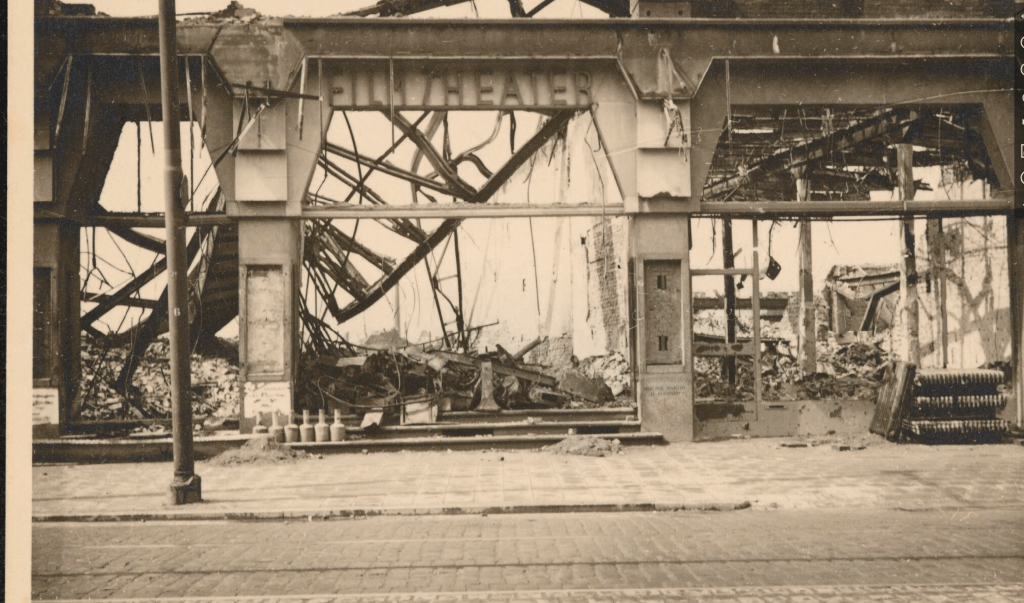
Following the Wehrmacht’s victory, his Amsterdam theater was seized by the occupying forces, its distinctly Jewish name erased and replaced with the bland “Tivoli.” In Amsterdam, people bitterly joked that the name stood for “Tuschinski Is Verkocht Of Liever Ingepikt” — “Tuschinski has been sold, or rather, snatched away.”
In 1942, Abraham Tuschinski was arrested and deported. He was eventually sent to Auschwitz concentration camp, where he was murdered on September 17, 1942. His death was part of the Holocaust, the systematic extermination of six million Jews by Nazi Germany. The destruction of his life represented not only a personal tragedy but also the loss of a visionary cultural leader whose work had shaped Dutch entertainment and architecture.
Despite this tragedy, Tuschinski’s legacy endured. After the war, the Tuschinski Theater survived and continued operating. Over time, it became internationally admired for its architectural beauty and historical significance. Restorations preserved its original grandeur while adapting it to modern cinema audiences. Today, the theater is operated by Pathé Netherlands
and remains one of Amsterdam’s most iconic landmarks.
Abraham Icek Tuschinski’s story is significant for several reasons. First, it illustrates the contribution of immigrants to European culture and business. Arriving in the Netherlands with modest means, he built a pioneering entertainment empire through creativity and determination. Second, his work transformed cinema architecture and audience expectations. He understood the emotional power of atmosphere long before modern multiplexes and luxury theaters adopted similar ideas. Finally, his life stands as a reminder of the immense cultural and human losses caused by the Holocaust.
Today, visitors entering the Tuschinski Theater experience more than a cinema. They encounter a monument to artistic ambition, immigrant entrepreneurship, and resilience. Abraham Tuschinski’s vision continues to inspire architects, filmmakers, and cinema lovers around the world. Though his life was cut short by one of history’s darkest chapters, his contribution to culture remains enduring and celebrated.
sources
https://jewishcurrents.org/the-uncivil-servant-abraham-tuschinski-and-his-theater
https://www.europeana.eu/en/stories/abraham-tuschinskis-cinema-empire-in-amsterdam-and-rotterdam
https://en.wikipedia.org/wiki/Abraham_Icek_Tuschinski
https://www.oorlogsbronnen.nl/artikel/tuschinski-begon-en-verloor-zijn-imperium-havenstad-rotterdam
https://www.oorlogsbronnen.nl/tijdlijn/16b33de3-3cad-4f3d-b16b-d3d43141c018


Leave a Reply