⚠️ WARNING: This article contains graphic descriptions of torture and murder.
One of the most grotesque contradictions of the Nazi regime was its attitude toward cruelty. The same state that organised mass murder, genocide, and barbaric medical experiments could condemn acts of violence when they violated its own rules or threatened its authority.
Within the concentration-camp system, murder and torture were not necessarily crimes in the eyes of the perpetrators. What mattered was who authorised them, how they were carried out, and whether they served the interests of the regime.
In the Nazi world, cruelty was permitted—provided it was inflicted according to Nazi rules.
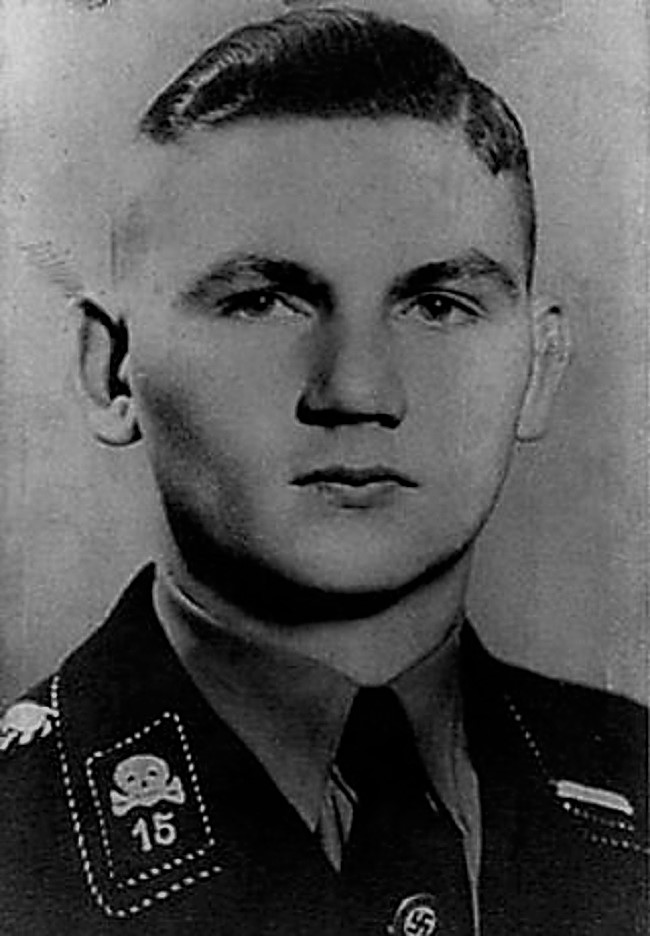
Walter Gerhard Martin Sommer was an SS-Hauptscharführer who served as a guard at the Sachsenhausen and Buchenwald concentration camps. At Buchenwald, his sadistic treatment of prisoners earned him a name that would become synonymous with terror: the Hangman of Buchenwald.
The Making of a Sadist
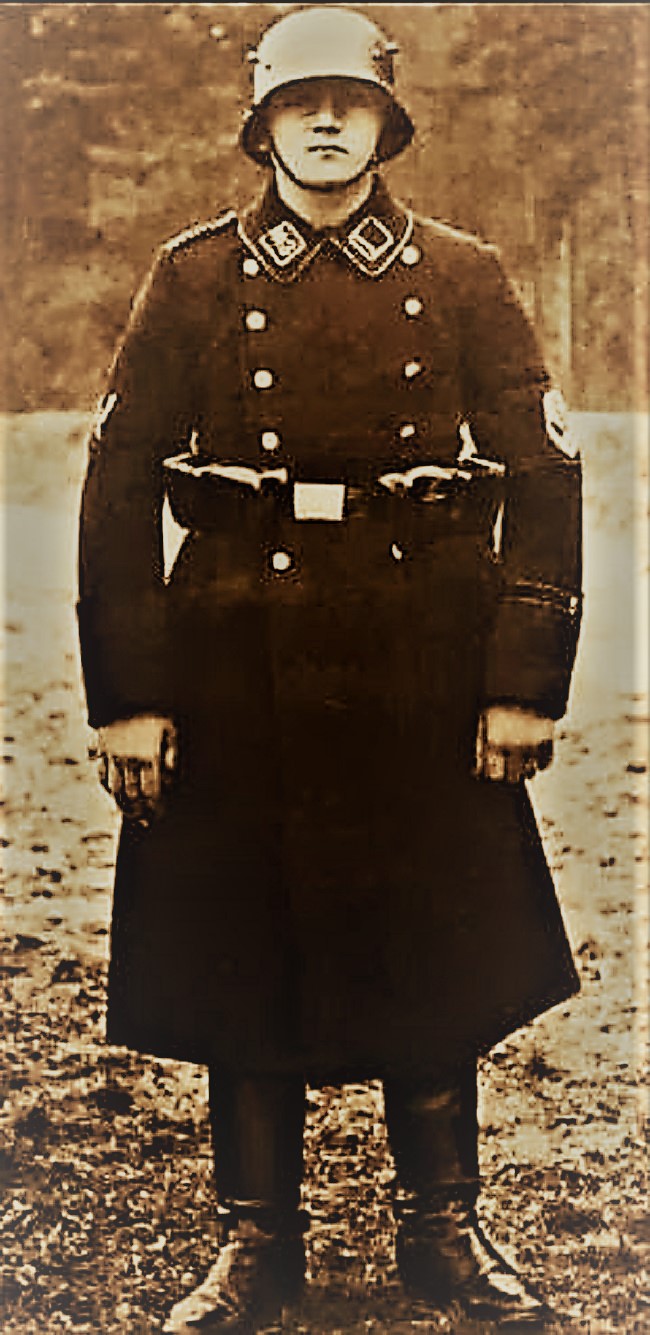
Sommer was born in 1915 in Schkölen, Thuringia, into a farming family. At the age of sixteen, he joined the Nazi Party. Two years later, in 1933, he became a member of the SS.
He would eventually become one of the most feared men within the concentration-camp system—not because he was a senior commander, but because he used the authority granted to him to indulge his own appetite for cruelty.
Sommer first served at Sachsenhausen concentration camp before being transferred to Buchenwald. There, he was placed in charge of a cell block, where he exercised almost unrestricted power over the prisoners confined within it. He was later appointed head of the camp’s punishment bunker and eventually became Chief Penal Officer.
At both Sachsenhausen and Buchenwald, Sommer served under the notorious camp commandant Karl Otto Koch.
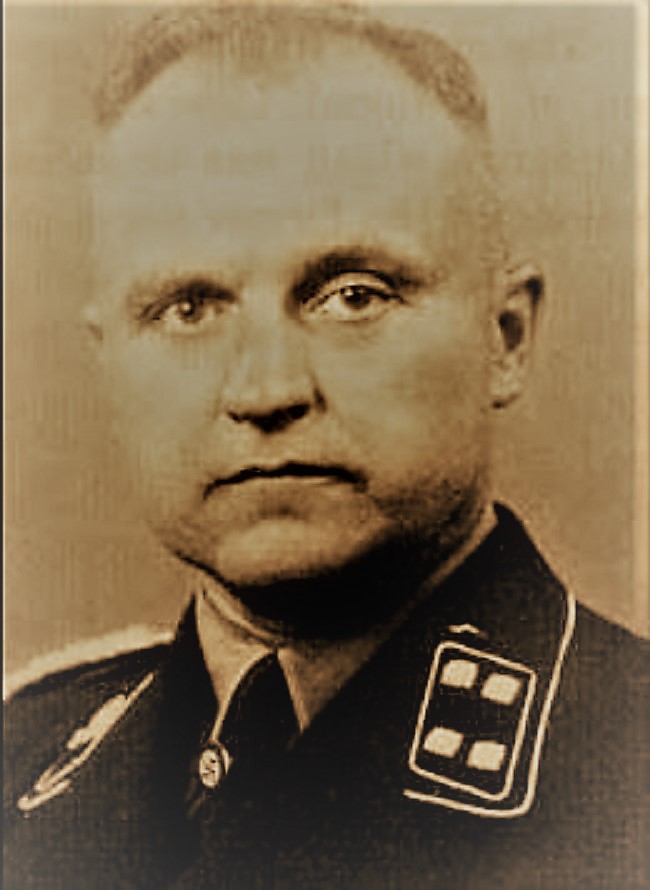
Under Koch’s command, Sommer found an environment in which violence, corruption, and the systematic dehumanisation of prisoners could flourish.
Sommer was quick to exploit his position. His authority over prisoners gave him the freedom to turn punishment into personal sadism.
One of his preferred methods of torture involved binding a prisoner’s wrists behind his back and suspending him from cell bars, wooden supports, or the branches of trees. The victim’s feet were left dangling just above the ground, placing immense strain on the shoulders and arms. The prolonged suspension could cause severe injuries, including dislocations.
This method of torture earned Sommer his infamous nickname, the Hangman of Buchenwald.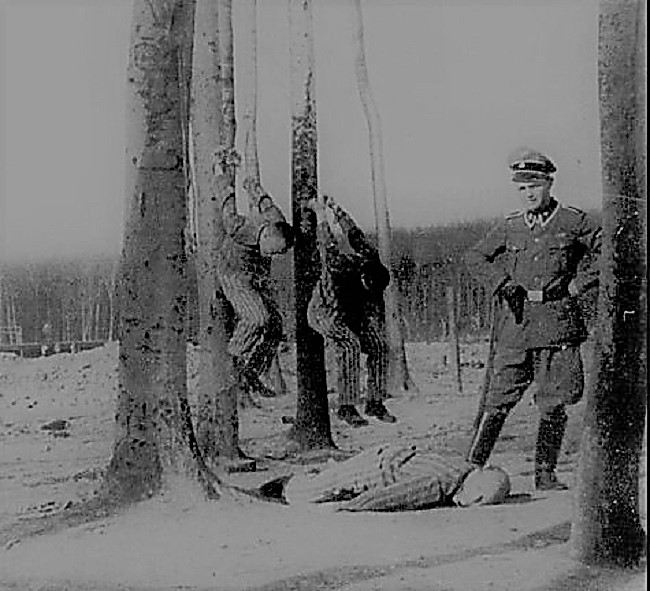 When the torture was carried out in the woods surrounding the camp, the screams of the victims could be heard by other prisoners. The area became known as the “singing forest”—a chilling name for a place where human suffering had become part of the landscape.
Sommer’s cruelty was not limited to physical torture. He also displayed a particular hatred toward members of the clergy.
According to historical accounts, he ordered two Austrian priests, Otto Neururer and Matthias Spannlang, to be crucified upside down. Neururer, a Catholic priest who had been imprisoned at Buchenwald, was murdered in 1940. Accounts of his death describe him being tortured and hanged upside down.
On another occasion, Sommer reportedly beat a Catholic priest to death after the man had performed the sacrament of confession for a fellow prisoner.
In yet another case, he allegedly beat a German pastor, stripped him naked, and left him hanging outside during the winter. Buckets of water were reportedly thrown over the victim, exposing him to the freezing temperatures until he died.
These acts were not random outbursts of violence. They were carried out within a system that had stripped prisoners of their rights, dignity, and protection, allowing men such as Sommer to exercise almost absolute power over their victims.
A Private Chamber of Horror
Sommer reportedly maintained a secret compartment beneath the floor under his desk, where he concealed instruments of torture.
Among the implements allegedly kept there were needles that he used to kill prisoners after torturing them. Accounts describe him injecting victims with carbolic acid or introducing air into their veins, causing fatal embolisms.
Some prisoners were reportedly subjected to torture during private, late-night sessions. According to accounts, Sommer would conceal the bodies of his victims beneath his bed until the following morning, when they could be removed.
He also reportedly used steel brushes to scrape the backs of prisoners before pouring acid onto their wounds.
The concentration camp was already a place where human beings were reduced to numbers, where starvation, disease, forced labour, and execution were woven into everyday existence. Yet within that machinery of persecution, Sommer allegedly created his own private world of torment—a place where suffering was not merely a means of punishment, but an end in itself.
When the SS Investigated Its Own Crimes
In 1943, Heinrich Himmler appointed SS judge Dr. Georg Konrad Morgen to investigate allegations of corruption and criminal activity within the Buchenwald concentration camp.
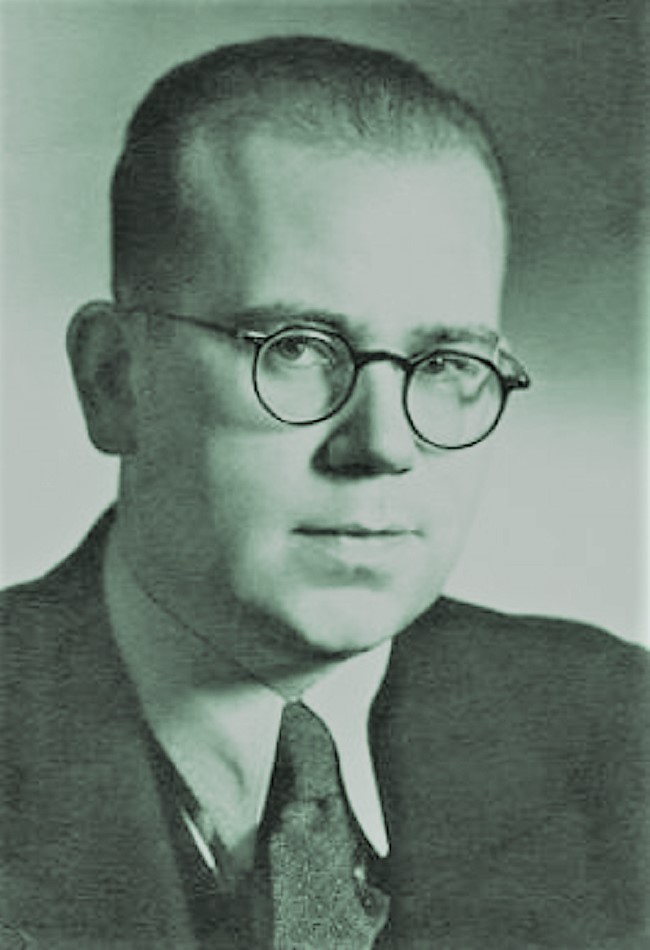
Morgen’s investigations uncovered evidence of serious abuses. Sommer was subsequently brought before an SS court.
The case revealed one of the most disturbing contradictions of the Nazi concentration-camp system. The SS was responsible for a vast network of terror, forced labour, and mass murder. Yet it sometimes prosecuted individual camp personnel—not because the victims’ lives were considered valuable, but because certain acts of violence, corruption, or unauthorised killing were seen as violations of SS discipline or threats to the organisation’s control.
Sommer was convicted by the SS court and sentenced to a reduction in rank. He was then transferred to a penal military unit fighting on the Eastern Front.
There, he was seriously wounded in a tank explosion, losing his left arm and right leg.
He was subsequently captured by the Soviet army and held as a prisoner of war until 1950. His status was then changed from prisoner of war to war criminal.
In 1955, following negotiations conducted on behalf of German prisoners held in the Soviet Union by West German Chancellor Konrad Adenauer, Sommer was released.
A Pension for a War Criminal
After returning to West Germany, Sommer married the nurse who had cared for him during his recovery. The couple had a child.
Despite his history as a concentration-camp torturer, Sommer applied for and received a pension for his war-related disabilities. He was reportedly paid 280 Deutsche Marks per month, along with more than 10,500 marks in back payments.
The contrast was grotesque. A man who had allegedly inflicted unimaginable suffering on prisoners was now receiving financial support from the state for the injuries he had sustained while serving the Nazi war machine.
For years, Sommer escaped prosecution for the crimes committed at the concentration camps.
That changed in 1957, when he was indicted for complicity in the deaths of 101 concentration-camp prisoners.
In 1958, German authorities determined that Sommer was medically fit to stand trial.
Justice, at Last—but Incomplete
Sommer was eventually convicted in connection with 25 deaths and sentenced to life imprisonment. The verdict was appealed, but in May 1959, the German Federal Court upheld the sentence.
However, his imprisonment would not last for the remainder of his life.
In 1971, Sommer was released from prison because the authorities determined that there was no suitable facility in which to continue treating his serious war injuries. He was transferred to a hospital and, in 1973, moved to a nursing home.
He remained there until his death in 1988.
Walter Sommer had survived the Nazi regime, the war, Soviet captivity, and decades of legal proceedings. He had also received a state pension and spent the final years of his life in medical care.
The prisoners he tortured and murdered had no such future.
Their lives ended in the darkness of Sachsenhausen and Buchenwald, often without graves, without justice, and without anyone to hear their final screams.
Sommer died in 1988. The suffering he inflicted had begun decades earlier, but for the victims and their families, the consequences never truly ended.his war injuries. he was transferred to a hospital and in 1973 to a nursing home where he remained until his death in 1988.
Donation
Your readership is what makes my site a success, and I am truly passionate about providing you with valuable content. I have been doing this at no cost and will continue to do so. Your voluntary donation of $2 or more, if you are able, would be a significant contribution to the continuation of my work. However, I fully understand if you’re not in a position to do so. Your support, in any form, is greatly appreciated. Thank you. To donate, click on the credit/debit card icon of the card you will use. If you want to donate more than $2, just add a higher number in the box left from the PayPal link. Your generosity is greatly appreciated. Many thanks.
$2.00
Sources
https://en.wikipedia.org/wiki/Martin_Sommer
https://time.com/archive/6806170/west-germany-the-monster
https://www.jta.org/archive/beast-of-buchenwald-found-fit-to-marry-avoided-trial-as-sick-man
https://de.wikipedia.org/wiki/Martin_Sommer_(SS-Mitglied)


Leave a comment