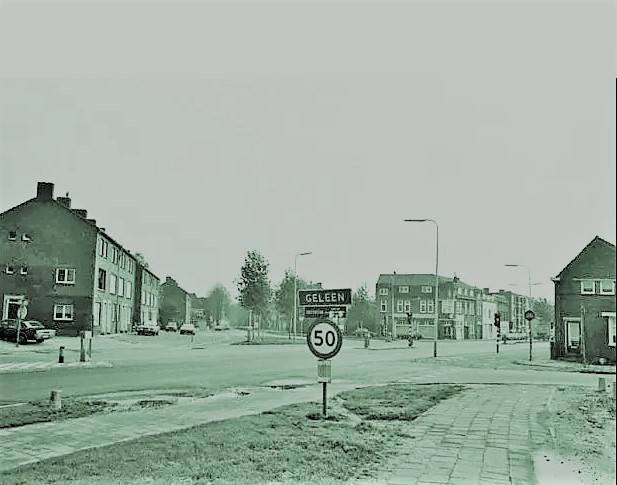
Geleen is a small former mining town in the province of Limburg, in the southeast of the Netherlands. It is not a particularly famous place, although it is where the first professional football was played in the Netherlands, and it used to host one of the world’s biggest rock festivals, “PinkPop.”
It is also where I was born, along with a boy called Philibert Steinbach. Most of us will have seen the picture of his sister, Settela Steinbach.
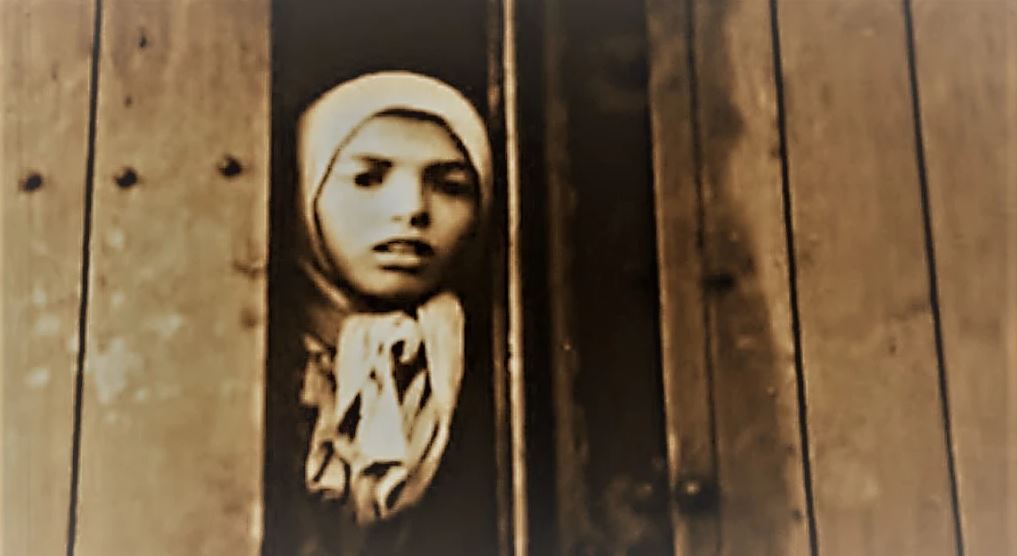
Philibert Steinbach was born in Geleen on September 4, 1932. On May 16, 1944, the Nazis arrested him in Eindhoven. From May 16, 1944, to May 19, 1944, the Nazis imprisoned him at Camp Westerbork. From May 22, 1944, to August 3, 1944, he was in the Gypsy Camp of Auschwitz-Birkenau. On August 3, 1944, the SS murdered him—he was only 11 years old.
Sinti and Roma people were required to live in assembly camps outside of cities starting June 22, 1943, in locations such as near The Hague and Eindhoven. At the request of the Nazi occupiers, caravans were gathered in these areas, concentrating the Sinti and Roma populations. It made it easier for the occupiers to arrest them a year later during the gypsy roundup.
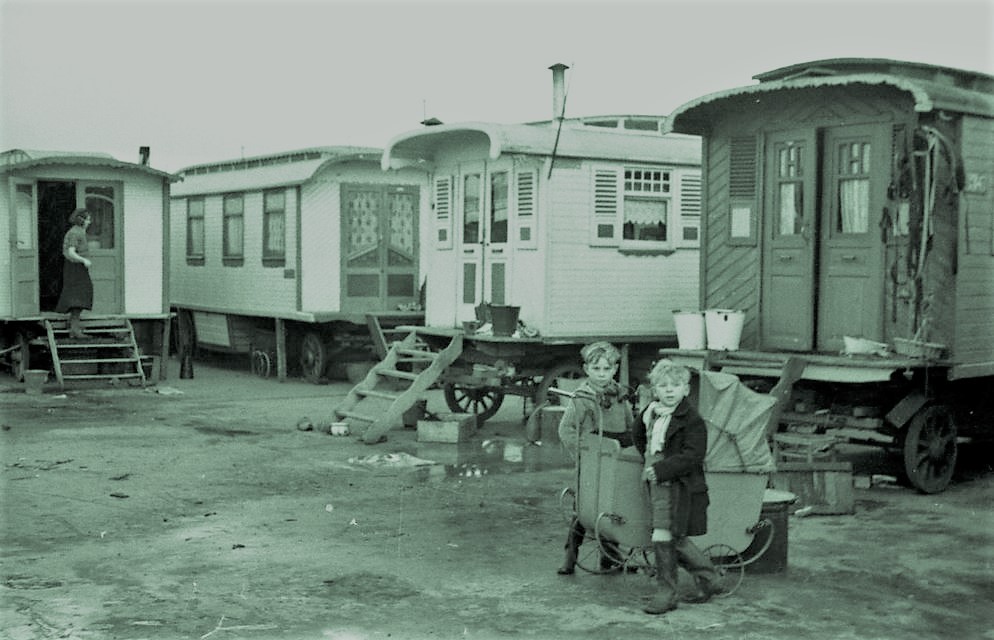
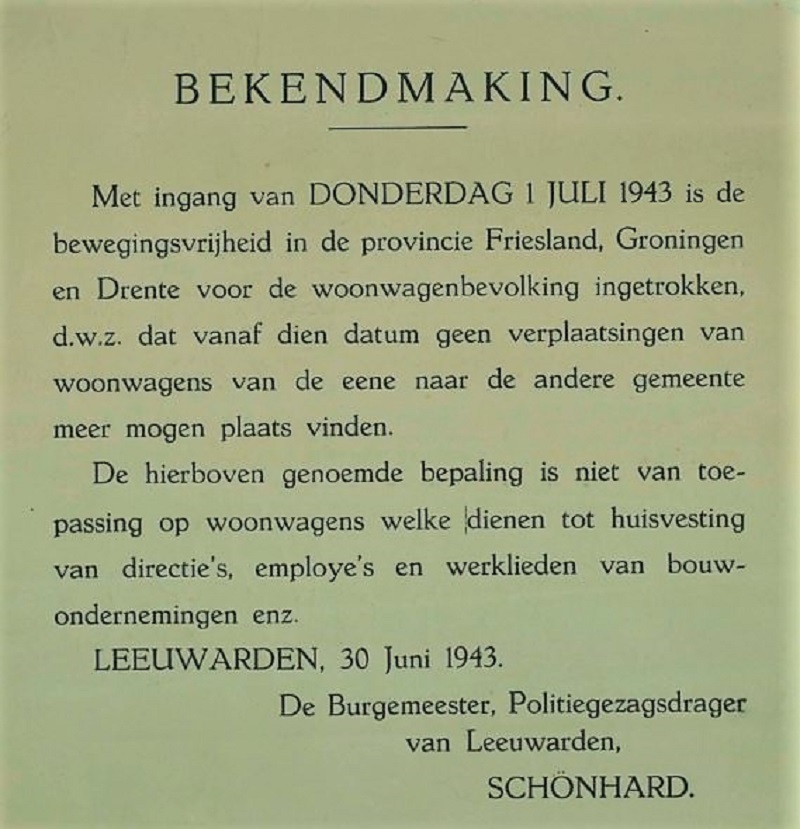
The Nazis imposed a travel ban on Sinti and Roma, known as the towing ban, on July 1, 1943. Their horses were seized, and the caravan wheels were confiscated or removed.
The Nazis persecuted the Sinti and Roma, who claimed they were an inferior race. They deported about 500 Sinti and Roma from the Netherlands, almost the entire community. Across Europe, the estimate is the Nazis murdered about 500,000 Sinti and Roma in concentration camps.
The picture at the top of the blog is an old photo of the street where I grew up in Geleen. When I was 11, I felt very safe and secure in large part because my family lived on that street; nearly every other house contained an uncle, aunt, or older cousin. In contrast, Philibert, who also had a large family, never experienced that sense of safety. Most of his family members were murdered by Nazis during the war, just like him.
Only recently did I discover that I am related to the Steinbach family via some in-laws. I am still discovering new aspects of the horrors of the Holocaust, 77 years after the war.
This is the only official document I could find about Philibert. It was issued by the War Graves Foundation on February 26, 1958.
Sources
https://www.oorlogsbronnen.nl/tijdlijn/Philibert-Steinbach/01/102563
https://www.stolpersteinesittardgeleen.nl/Slachtoffers/familie-Steinbach
https://www.joodsmonument.nl/nl/page/658691/philibert-steinbach
Please support us so we can continue our important work.
Donation
Your readership is what makes my site a success, and I am truly passionate about providing you with valuable content. I have been doing this at no cost and will continue to do so. Your voluntary donation of $2 or more, if you are able, would be a significant contribution to the continuation of my work. However, I fully understand if you’re not in a position to do so. Your support, in any form, is greatly appreciated. Thank you. To donate, click on the credit/debit card icon of the card you will use. If you want to donate more than $2, just add a higher number in the box left from the PayPal link. Your generosity is greatly appreciated. Many thanks.
$2.00

 History of Sorts
Leave a reply to tzipporahbatami Cancel reply